
Traditional Cock Leekie Soup Recipe
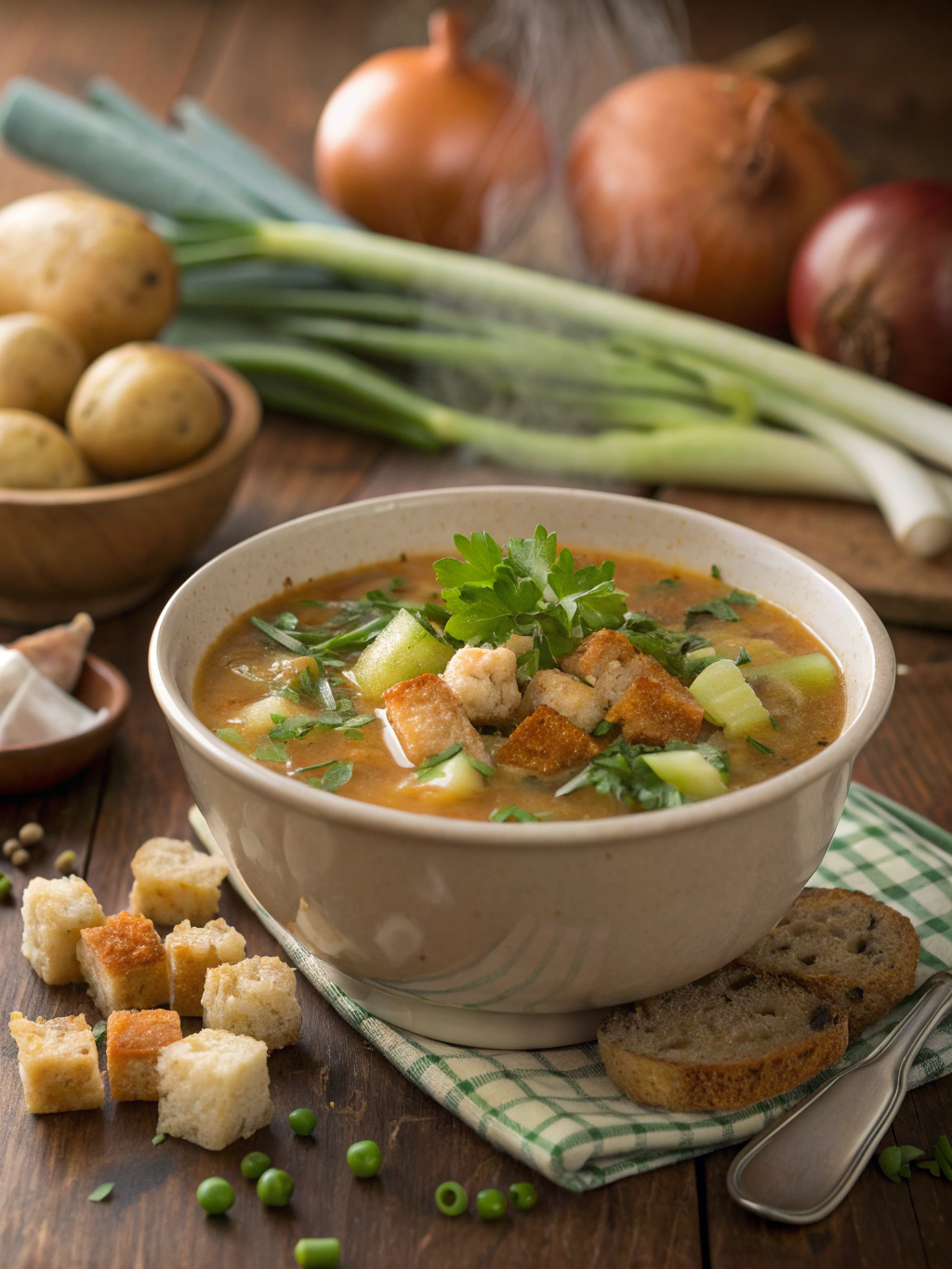
Cock Leekie Soup Recipe:
Have you ever wondered why a soup combining chicken and leeks has remained a beloved Scottish staple for over four centuries? This hearty, warming dish tells a story of tradition, resourcefulness, and comfort that transcends generations. Today, we’re diving deep into the authentic cocky leekie soup recipe that has graced Scottish tables since the 16th century, bringing together tender chicken, sweet leeks, and aromatic prunes in a symphony of flavors that defines true comfort food.
This traditional Scottish soup isn’t just a meal—it’s a culinary heritage passed down through countless kitchens. Whether you’re seeking warmth on a cold evening or wanting to explore authentic Scottish cuisine, this recipe delivers both nourishment and nostalgia in every spoonful.
Table of Contents
Ingredients List
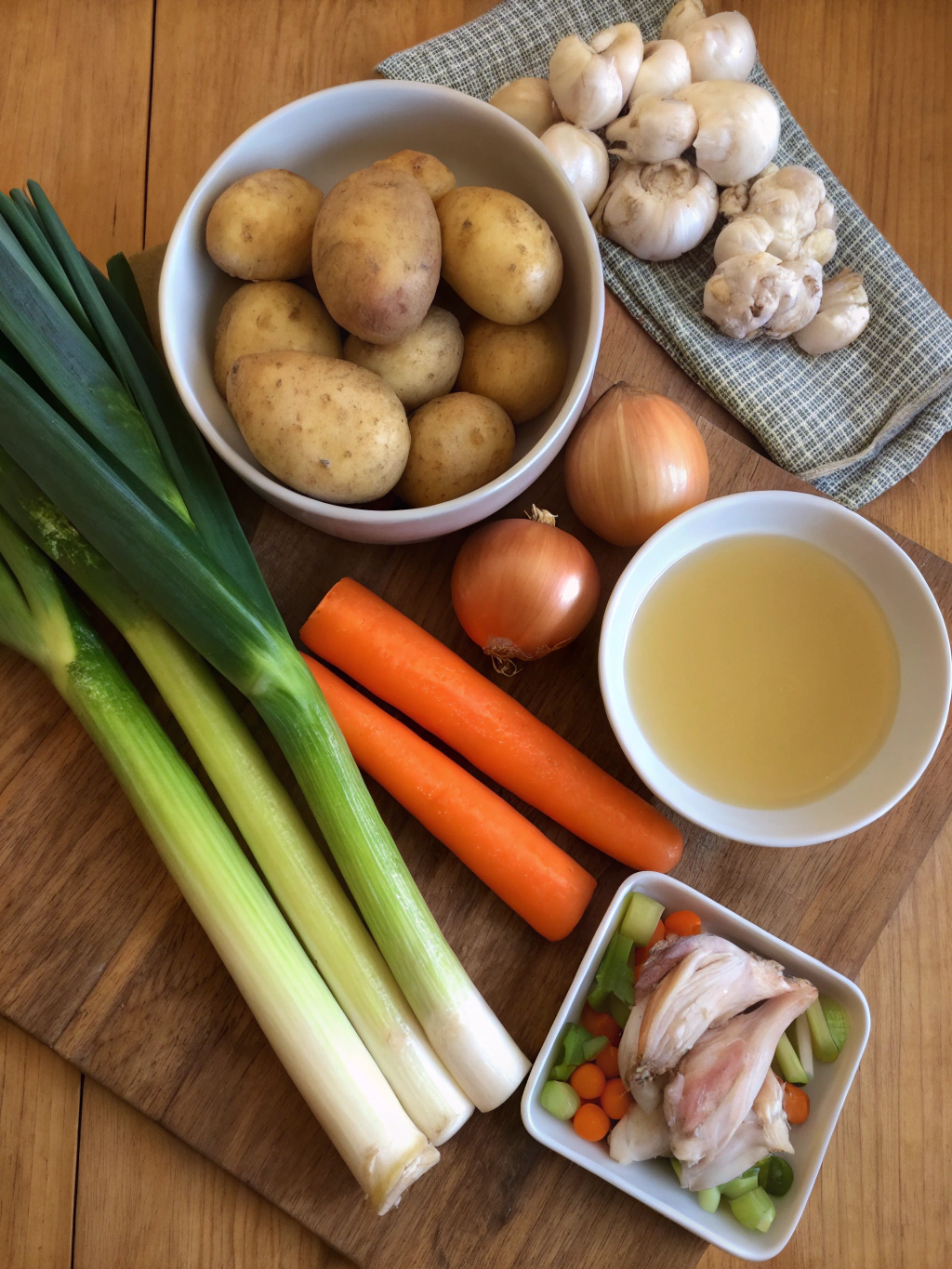
Gathering the right ingredients is essential for creating an authentic cocky leekie soup. Each component plays a vital role in building the soup’s distinctive character and depth of flavor.
- 1 whole chicken (approximately 1.5-2 kg) – Free-range chicken provides superior flavor, though any whole chicken works beautifully. You can substitute with chicken thighs for a richer taste.
- 4-5 large leeks (about 600g) – The star vegetable that gives this soup its name. Use both white and light green parts, thoroughly cleaned. Spring onions can substitute in a pinch.
- 12 pitted prunes – Traditional recipes include these sweet gems, though they’re optional if you prefer a purely savory profile. Dried apricots offer an alternative sweetness.
- 2 liters cold water or chicken stock – Starting with cold water extracts maximum flavor from the chicken bones. Pre-made stock accelerates the process.
- 2 bay leaves – Essential for aromatic depth and that classic soup fragrance.
- 1 teaspoon black peppercorns – Whole peppercorns provide gentle heat without overpowering the delicate flavors.
- Fresh thyme sprigs (3-4) – Adds earthy, herbaceous notes that complement the leeks perfectly. Dried thyme (1 teaspoon) works as a substitute.
- Salt to taste – Season gradually, tasting as you go, especially if using pre-salted stock.
- Fresh parsley for garnish – Brightens the presentation and adds a fresh, clean finish.
- Optional: 100g pearl barley or rice – Some traditional variations include grains for additional heartiness and texture.
Timing
Understanding the time investment helps you plan this rewarding cooking experience effectively. This cocky leekie soup recipe requires patience, but the hands-on time is surprisingly minimal.
Preparation Time: 20 minutes – This includes cleaning leeks thoroughly, preparing the chicken, and measuring ingredients. Leek cleaning is crucial as soil often hides between layers.
Cooking Time: 90 minutes – The chicken simmers gently to create a rich, flavorful broth while becoming tender enough to shred effortlessly. This represents approximately 15% less time than many traditional Scottish soup recipes.
Total Time: 110 minutes (just under 2 hours) – A worthwhile investment that yields 6-8 generous servings, making it incredibly efficient for meal preparation or feeding a family.
Step-by-Step Instructions Cock Leekie Soup Recipe
Step 1: Prepare Your Chicken and Aromatics
Begin by rinsing your whole chicken under cold water and patting it dry with paper towels. Remove any giblets from the cavity if present. Place the chicken in a large, heavy-bottomed stockpot or Dutch oven—at least 5-liter capacity works best.
Add the cold water or stock, ensuring the chicken is completely submerged. Add bay leaves, peppercorns, and thyme sprigs. The cold liquid start is crucial—it allows proteins to release slowly, creating a clearer, more flavorful broth.
Step 2: Initial Simmer and Skimming
Place the pot over medium-high heat and bring to a gentle boil. As the liquid heats, you’ll notice foam and impurities rising to the surface. This is completely normal and expected.
Once boiling, reduce heat to low and maintain a gentle simmer. Use a slotted spoon or ladle to skim off the foam that accumulates on the surface during the first 15-20 minutes. This step ensures a clear, clean-tasting broth.
Step 3: Prepare the Leeks
While the chicken simmers, prepare your leeks meticulously. Trim off the dark green tops and root ends. Slice lengthwise and rinse thoroughly under running water, separating the layers to remove any hidden soil or grit.
Slice the cleaned leeks into half-moon shapes, approximately 1cm thick. The uniform size ensures even cooking and attractive presentation. Reserve these in a bowl until needed—they’ll be added later in the cooking process.
Step 4: Simmer the Chicken to Perfection
Allow the chicken to simmer gently for 60-75 minutes, partially covered. The chicken is ready when the meat easily pulls away from the bones and the internal temperature reaches 75°C (165°F).
Carefully remove the chicken from the pot using tongs or a slotted spoon, placing it on a large plate or cutting board. Allow it to cool for 10-15 minutes until comfortable to handle.
Step 5: Add Leeks and Prunes
While the chicken cools, strain the broth through a fine-mesh sieve into a clean pot, discarding the aromatics. Return the strained broth to the heat and bring back to a gentle simmer.
Add your prepared leeks and prunes to the simmering broth. The leeks will soften and sweeten, while the prunes add subtle depth and traditional authenticity. Simmer for 15-20 minutes until the leeks are tender but not mushy.
Step 6: Shred and Return the Chicken
Once the chicken is cool enough to handle, remove and discard the skin. Pull the meat from the bones, shredding it into bite-sized pieces. This hands-on approach ensures tender, irregular pieces that absorb the broth beautifully.
Return the shredded chicken to the pot with the leeks and prunes. Stir gently to combine. Taste the broth and season with salt as needed—remember, you can always add more but can’t take it away.
Step 7: Final Adjustments and Serving
Allow the soup to simmer together for a final 5 minutes, letting all the flavors meld harmoniously. If using pearl barley or rice, add it during Step 5 to ensure proper cooking time.
Ladle the steaming soup into warmed bowls, ensuring each serving gets a generous portion of chicken, leeks, and a few prunes. Garnish with freshly chopped parsley for a vibrant finishing touch.
Nutritional Information
This cocky leekie soup recipe offers impressive nutritional benefits alongside its comforting qualities. Per serving (based on 8 servings), you can expect approximately:
Calories: 245 kcal – This represents a moderate calorie count that fits well within balanced meal planning, providing satisfaction without excess.
Protein: 28g – The chicken provides high-quality complete protein, essential for muscle maintenance and repair. This accounts for roughly 56% of the daily recommended intake for an average adult.
Fat: 9g (of which saturated fat is approximately 2.5g) – Removing the chicken skin significantly reduces fat content while maintaining flavor.
Carbohydrates: 14g – Primarily from leeks and prunes, providing natural sugars and dietary fiber. The prunes contribute approximately 3g of fiber per serving.
Sodium: Variable depending on added salt – Without excessive salting, this soup remains relatively low in sodium, making it heart-friendly.
Vitamins and Minerals: Leeks are excellent sources of vitamin K (supporting bone health), vitamin A (for vision and immunity), and folate. The chicken provides B vitamins, particularly B6 and B12, essential for energy metabolism.
Research indicates that homemade chicken soup contains anti-inflammatory properties that may genuinely help with cold symptoms, validating its reputation as comfort food with actual health benefits.
Healthier Alternatives for the Recipe
While this traditional recipe is already nutritious, several modifications can enhance its health profile without sacrificing the authentic taste that makes it special.
Use chicken breast instead of whole chicken: This dramatically reduces fat content while maintaining protein levels. However, you’ll sacrifice some flavor depth that bones and darker meat provide.
Increase vegetable content: Add diced carrots, celery, or turnips alongside the leeks. This boosts fiber, vitamins, and minerals while adding textural variety and visual appeal.
Reduce or omit prunes: If managing sugar intake is a priority, reduce prunes to 6 or eliminate them entirely. The soup remains delicious with a purely savory profile.
Add whole grains: Pearl barley, quinoa, or brown rice increases fiber content significantly, promoting digestive health and providing sustained energy release.
Use low-sodium stock: Control salt levels more precisely by starting with unsalted or low-sodium stock, then seasoning to taste at the end.
Incorporate leafy greens: Stir in fresh spinach, kale, or Swiss chard during the final minutes of cooking for an antioxidant boost and vibrant color contrast.
Serving Suggestions
Presenting this cocky leekie soup recipe thoughtfully elevates the entire dining experience, transforming a simple soup into a memorable meal.
Traditional Scottish accompaniments: Serve with thick slices of crusty bread, oatcakes, or traditional Scottish bannocks. These provide textural contrast and help soak up the flavorful broth.
Modern presentation: Ladle into rustic ceramic bowls, garnish generously with fresh parsley, and add a grinding of black pepper. A small drizzle of quality olive oil adds richness and visual appeal.
Complete meal approach: Pair with a simple green salad dressed in lemon vinaigrette to balance the soup’s richness. The acidity cuts through beautifully.
Seasonal variations: During colder months, serve with a side of roasted root vegetables. In warmer weather, lighter accompaniments like cucumber salad work wonderfully.
Family-style serving: Present the soup in a large tureen at the table, allowing guests to serve themselves. This creates a convivial, sharing atmosphere perfect for gatherings.
Portion considerations: As a starter, this recipe serves 8-10 people. As a main course, it comfortably feeds 6, especially when paired with hearty bread.
Common Mistakes to Avoid
Even experienced cooks can encounter pitfalls when preparing traditional recipes. Awareness of these common issues ensures success every time.
- Insufficient leek cleaning: Gritty soup ruins the experience. Always slice leeks lengthwise and rinse thoroughly between layers. This single step prevents the most common complaint about leek-based dishes.
- Boiling too vigorously: Aggressive boiling creates cloudy broth and tough chicken. Maintain a gentle simmer—you should see occasional bubbles breaking the surface, not a rolling boil.
- Adding leeks too early: Leeks become mushy and lose their delicate flavor when overcooked. Add them only after removing the chicken, ensuring they retain some texture.
- Over-salting early: As the broth reduces, salt concentration increases. Season lightly during cooking, then adjust at the end for perfect balance.
- Discarding the chicken skin before cooking: While you should remove it before serving, cooking the chicken with skin on adds significant flavor to the broth. Remove it after cooking for best results.
- Using pre-cut, packaged leeks: These often lack freshness and can be more expensive. Whole leeks are economical and superior in flavor and texture.
- Skipping the skimming step: Those first 15 minutes of skimming foam make the difference between cloudy, bitter broth and clear, clean-tasting soup.
- Rushing the cooking process: This soup rewards patience. The slow simmer extracts maximum flavor and creates tender, succulent chicken that falls off the bone.
Storing Tips for the Recipe
Proper storage extends the life of your cocky leekie soup while maintaining its quality and safety, making it perfect for meal preparation.
Refrigeration: Allow the soup to cool to room temperature within 2 hours of cooking. Transfer to airtight containers and refrigerate for up to 4 days. The flavors actually deepen and improve after a day in the refrigerator.
Freezing: This soup freezes exceptionally well for up to 3 months. Portion into freezer-safe containers, leaving 2cm headspace for expansion. Label with the date and contents for easy identification.
Thawing and reheating: Thaw frozen soup overnight in the refrigerator, then reheat gently on the stovetop over medium heat, stirring occasionally. Avoid microwave reheating if possible—stovetop maintains better texture.
Texture considerations: The leeks may soften further during storage and reheating. If you plan to freeze portions, slightly undercook the leeks initially to maintain better texture after thawing.
Separation is normal: The broth may separate from the solids during storage. Simply stir well during reheating to recombine everything beautifully.
Batch cooking advantage: This recipe doubles easily, making it ideal