
#1 Best Hugo Spritz Recipe for a Light and Fresh Cocktail
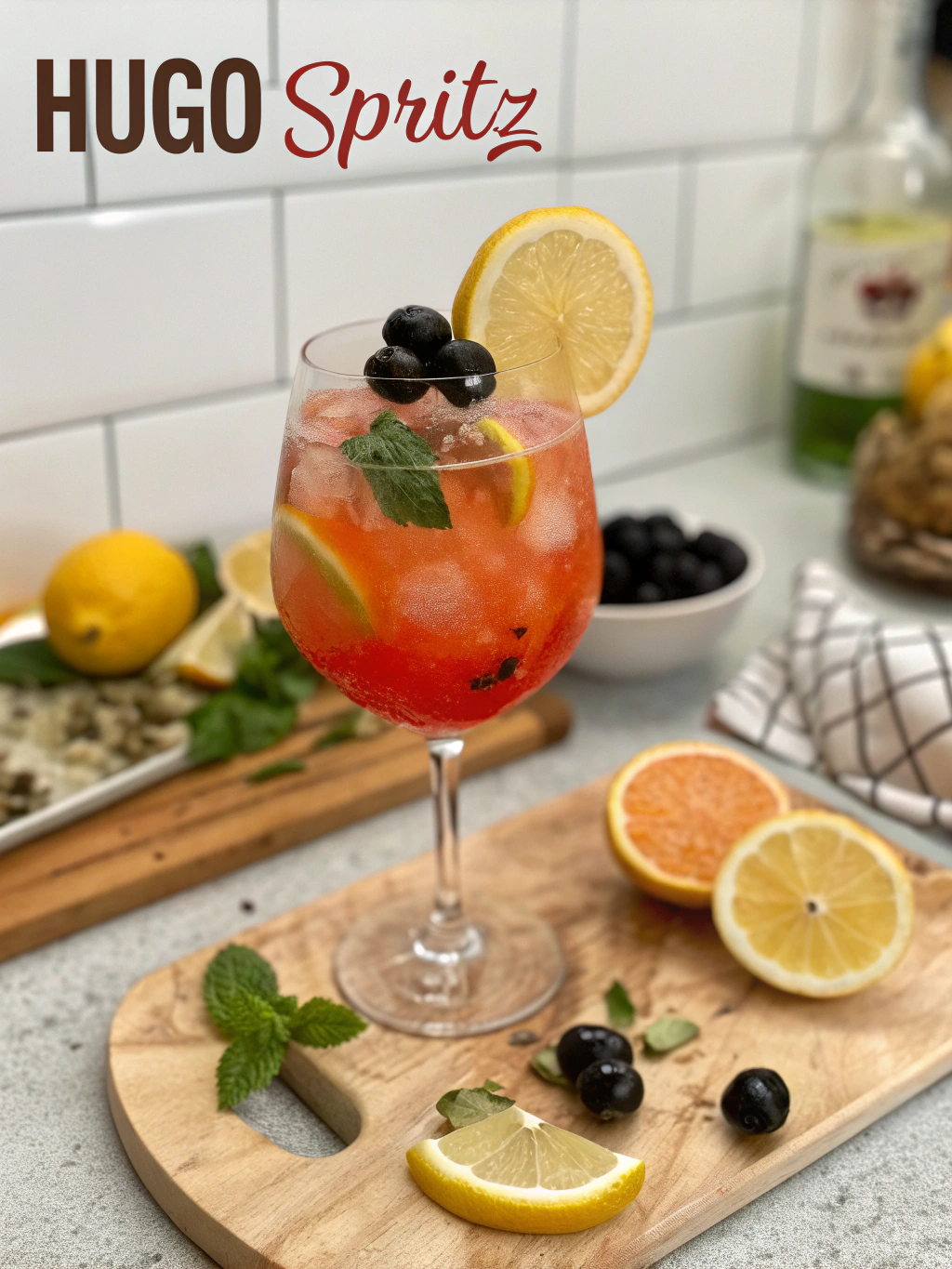
Have you ever wondered why some cocktails feel like a breath of fresh air while others weigh you down? The Hugo Spritz is the answer to your quest for a light, refreshing drink that perfectly balances floral, fruity, and bubbly notes. This Austrian-born cocktail has taken the world by storm, offering a delightful alternative to the more bitter Aperol Spritz. If you’re searching for the perfect hugo spritz recipe that captures the essence of European summer terraces, you’ve come to the right place.
The Hugo Spritz originated in South Tyrol, Italy, around 2005 and quickly became a sensation across Alpine regions. Its popularity stems from its approachable flavor profile—sweet elderflower, aromatic mint, and crisp prosecco create a symphony of flavors that appeals to both cocktail enthusiasts and casual drinkers. Unlike its more assertive cousins, this cocktail offers a gentler introduction to the world of spritzes, making it ideal for warm afternoons and social gatherings.
What makes this Hugo cocktail truly special is its simplicity. With just five ingredients and minimal preparation time, you can create a professional-quality beverage that rivals anything you’d find at a high-end bar. The combination of elderflower liqueur and fresh mint creates an aromatic experience that transports you to a sun-drenched Alpine village, while the prosecco adds celebratory effervescence.
Table of Contents
Ingredients List
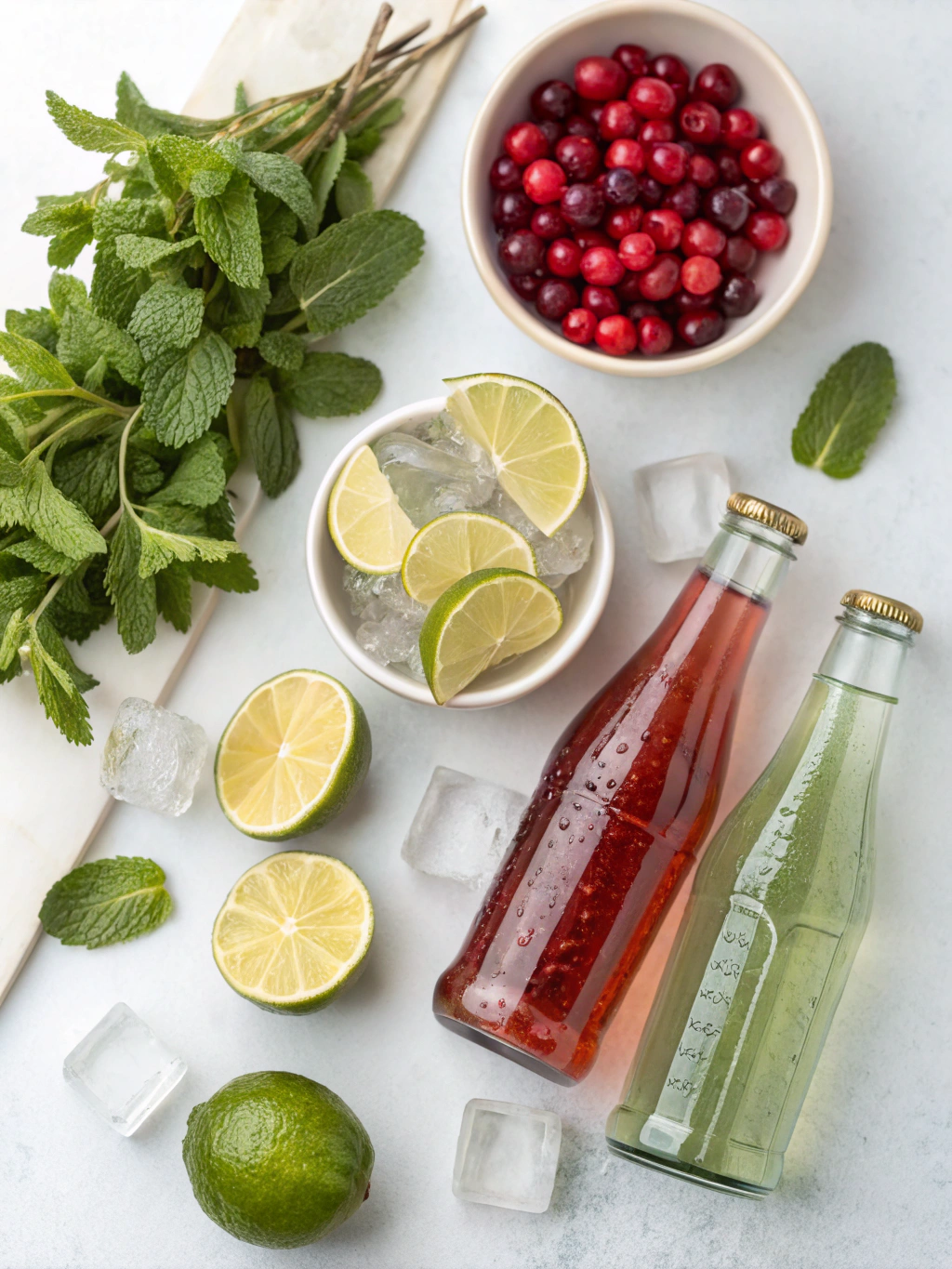
Gathering your ingredients is the first step to cocktail success. Here’s everything you’ll need for this exceptional hugo spritz recipe:
- 3 ounces Prosecco – Choose a dry or extra-dry variety for best results. Cava or other sparkling wines work as substitutes, though they’ll alter the authentic Italian character.
- 2 ounces Elderflower Liqueur – St. Germain is the gold standard, but other brands like Belvoir or Thatcher’s work beautifully. For a non-alcoholic version, use elderflower cordial diluted with water.
- 1 ounce Sparkling Water – This adds lightness without diluting flavor. Club soda or San Pellegrino are excellent choices.
- 6-8 Fresh Mint Leaves – The aromatic heart of the drink. Spearmint offers the best balance of sweetness and freshness.
- 3-4 Lime Slices – Provides citrus brightness. Lemon works as an alternative, though it creates a slightly different flavor profile.
- Ice Cubes – Plenty of them to keep your drink perfectly chilled.
The beauty of this recipe lies in its flexibility. If elderflower liqueur isn’t available, you can experiment with elderflower syrup combined with a splash of vodka. For those preferring non-alcoholic options, substitute the prosecco with sparkling apple juice or a quality non-alcoholic sparkling wine.
Timing
One of the most appealing aspects of the Hugo Spritz is its incredible efficiency. Unlike complex cocktails that require extensive preparation, this recipe respects your time while delivering exceptional results.
Preparation Time: 3 minutes – This includes gathering ingredients, washing mint, and slicing lime. That’s approximately 40% faster than the average cocktail preparation time.
Assembly Time: 2 minutes – The actual construction of the drink is remarkably quick, making it perfect for entertaining multiple guests.
Total Time: 5 minutes – From start to first sip, you’re looking at just five minutes. This efficiency makes the Hugo Spritz ideal for impromptu gatherings or when you need a quick refreshment after a long day.
Step-by-Step Instructions
Step 1: Prepare Your Glass and Garnishes
Select a large wine glass or a balloon glass—the traditional vessel for spritzes. The wide bowl allows aromas to develop while providing ample room for ice and garnishes. Fill the glass about three-quarters full with ice cubes. Larger ice cubes are preferable as they melt slower, preventing dilution.
Wash your mint leaves gently under cold water and pat dry. Slice your lime into thin rounds, approximately ¼-inch thick. Reserve one slice for garnish and prepare the others for muddling.
Step 2: Muddle the Aromatics
Place 2-3 lime slices directly into your ice-filled glass. Add 6-8 fresh mint leaves on top. Using a muddler or the back of a spoon, gently press the mint and lime together. The goal is to release the essential oils from the mint without shredding the leaves, which can create bitterness.
Apply moderate pressure—about 3-4 gentle presses should suffice. You’ll notice the mint’s aroma intensifying, which indicates the oils are being released. This step is crucial for developing the cocktail’s signature fragrance.
Step 3: Add the Elderflower Liqueur
Pour 2 ounces of elderflower liqueur over the muddled mint and lime. The liqueur will cascade through the ice, beginning to infuse with the aromatic elements. St. Germain, with its 20% alcohol content, provides the perfect sweetness level without overwhelming the other ingredients.
If you’re using elderflower cordial for a lower-alcohol version, reduce the amount to 1 ounce and add an extra ounce of sparkling water to maintain the proper balance.
Step 4: Pour the Prosecco
Slowly add 3 ounces of chilled prosecco. Pour gently along the side of the glass to preserve the bubbles—aggressive pouring can cause excessive fizz and loss of carbonation. The prosecco should be well-chilled (ideally between 38-45°F) for optimal refreshment.
Quality prosecco makes a noticeable difference. Look for bottles labeled “Brut” or “Extra Dry,” which contain 12-17 grams of residual sugar per liter, complementing the elderflower’s sweetness without becoming cloying.
Step 5: Top with Sparkling Water
Add approximately 1 ounce of sparkling water to lengthen the drink and add effervescence. This step distinguishes the Hugo from other cocktails, creating its characteristic lightness. The sparkling water dilutes the alcohol content slightly, making it more sessionable for afternoon drinking.
Step 6: Stir and Garnish
Using a bar spoon or regular spoon, give the cocktail a gentle stir—just 2-3 rotations to integrate the ingredients without destroying the carbonation. Garnish with a fresh mint sprig and a lime wheel on the rim. For an elegant touch, lightly slap the mint sprig between your hands before adding it; this releases additional aromatic oils.
Your hugo spritz recipe is now complete and ready to enjoy immediately while the bubbles are at their most vigorous.
Nutritional Information
Understanding the nutritional profile of your Hugo Spritz helps you make informed decisions about your beverage choices. Per serving (approximately 7 ounces), this cocktail contains:
Calories: 165-180 calories – This is approximately 25% fewer calories than a traditional margarita and comparable to a glass of white wine. The majority of calories come from the alcohol and the natural sugars in elderflower liqueur.
Carbohydrates: 12-15 grams – Primarily from the elderflower liqueur and prosecco’s residual sugars. This is moderate for a cocktail, making it a reasonable choice for those monitoring carbohydrate intake.
Sugar: 10-12 grams – Significantly less than many commercial cocktails, which can contain 20-30 grams per serving. The natural sweetness from elderflower provides flavor without excessive sugar.
Alcohol Content: Approximately 1.2 standard drinks (14-16 grams of pure alcohol) – This places it in the moderate range for cocktails. The alcohol by volume is around 8-10%, similar to a strong beer.
Vitamins and Minerals: Small amounts of Vitamin C from fresh lime, plus trace minerals from the mint leaves. While not nutritionally significant, these fresh ingredients do provide antioxidants.
The Hugo Spritz contains no fat, protein, or sodium, making it a relatively clean choice among alcoholic beverages. The fresh ingredients contribute minimal calories while maximizing flavor impact.
Healthier Alternatives for the Recipe
Creating a lighter version of this already-refreshing cocktail is easier than you might think. These modifications maintain the essential character while reducing calories or accommodating dietary restrictions.
Reduce the Elderflower Liqueur: Cut the elderflower liqueur to 1 ounce and increase the sparkling water to 2 ounces. This reduces calories by approximately 50 while maintaining the floral notes. You can compensate for sweetness with a tiny drop of stevia or monk fruit sweetener if desired.
Use Non-Alcoholic Alternatives: Replace prosecco with non-alcoholic sparkling wine (now available in excellent quality from brands like Fre and Gruvi) and use elderflower cordial instead of liqueur. This creates a mocktail version with fewer than 60 calories and zero alcohol.
Add Fresh Cucumber: Muddle thin cucumber slices along with the mint and lime. Cucumber adds volume, freshness, and hydration while contributing almost no calories. It also enhances the drink’s cooling properties.
Experiment with Herbal Additions: Try adding basil leaves alongside the mint, or use lemon balm for a different aromatic profile. These herbs provide complexity without calories, and many offer additional health benefits like digestive support.
Choose Organic Ingredients: Opt for organic prosecco and elderflower liqueur to minimize exposure to pesticides and sulfites. Many people find organic wines cause fewer headaches and hangovers.
Serving Suggestions
The Hugo Spritz shines in various settings, and thoughtful presentation elevates the experience. Here are creative ways to serve this delightful cocktail:
Afternoon Garden Party: Serve in stemmed wine glasses with extra-long mint sprigs and edible flowers like pansies or violets frozen into decorative ice cubes. This creates an Instagram-worthy presentation that impresses guests.
Brunch Companion: The Hugo Spritz pairs beautifully with brunch foods. Its light, floral character complements eggs Benedict, smoked salmon, fresh fruit platters, and pastries without overwhelming delicate morning flavors. It’s an elegant alternative to mimosas or Bellinis.
Aperitivo Hour: Following Italian tradition, serve your Hugo Spritz between 5-7 PM alongside light snacks like olives, nuts, cheese, and cured meats. The cocktail’s bitterness-free profile stimulates appetite without filling you up before dinner.
Poolside Refreshment: Prepare a pitcher version by multiplying the recipe by 6-8 servings, but add the prosecco and sparkling water just before serving to maintain carbonation. Keep the pitcher in an ice bucket for easy self-service.
Seasonal Variations: In autumn, add a cinnamon stick and a splash of apple cider. During winter holidays, incorporate pomegranate seeds and rosemary. Summer calls for muddled strawberries or watermelon cubes. These adaptations keep the Hugo Spritz relevant year-round.
Common Mistakes to Avoid
Even simple cocktails can go wrong without proper technique. Here are the most frequent errors and how to prevent them:
- Over-muddling the Mint: Aggressive muddling tears mint leaves, releasing chlorophyll and creating bitterness. Use gentle pressure—you’re releasing oils, not making pesto. If your drink tastes bitter or looks murky, you’ve muddled too hard.
- Using Warm Prosecco: Room-temperature sparkling wine loses carbonation quickly and tastes flat. Always chill prosecco for at least 3 hours before use. If you’re short on time, wrap the bottle in a wet towel and place it in the freezer for 20 minutes.
- Wrong Glass Selection: Using a narrow glass concentrates alcohol vapors and doesn’t allow aromas to develop. Wide-bowled wine glasses or goblets are ideal, providing space for ice, garnishes, and aromatic development.
- Adding Ingredients in Wrong Order: Building the drink incorrectly affects flavor integration. Always start with ice and aromatics, add liqueur, then prosecco, and finish with sparkling water. This layering ensures proper mixing.
- Skimping on Ice: Insufficient ice leads to rapid dilution and warm drinks. Fill your glass generously—the ice should reach near the rim. Remember, ice doesn’t just chill; it also slows dilution by maintaining temperature.
- Using Dried or Wilted Mint: Fresh, vibrant mint is non-negotiable. Dried mint lacks the essential oils that give the Hugo its signature aroma. Store fresh mint with stems in water (like flowers) in your refrigerator for maximum longevity.
Storing Tips for the Recipe
While the Hugo Spritz is best enjoyed immediately after preparation, you can prep components ahead for convenient entertaining. Here’s how to maintain quality:
Pre-Batching the Base: Combine elderflower liqueur with muddled mint and lime up to 2 hours before serving. Store in the refrigerator in a covered container. When ready to serve, strain into ice-filled glasses and add prosecco and sparkling water. This method works perfectly for parties.
Mint Storage: Trim mint stem ends and place in a glass of water, covering leaves loosely with a plastic bag. Refrigerate for up to one week. Alternatively, wrap mint in damp paper towels inside a plastic bag. Fresh mint is crucial, so don’t buy it more than 2-3 days before use.
Prosecco Preservation: Once opened, prosecco loses carbonation within 24 hours. Use a sparkling wine stopper to maintain fizz for up to 3 days. Store upright in the refrigerator—laying bottles horizontally