
Hoe Cakes Recipe
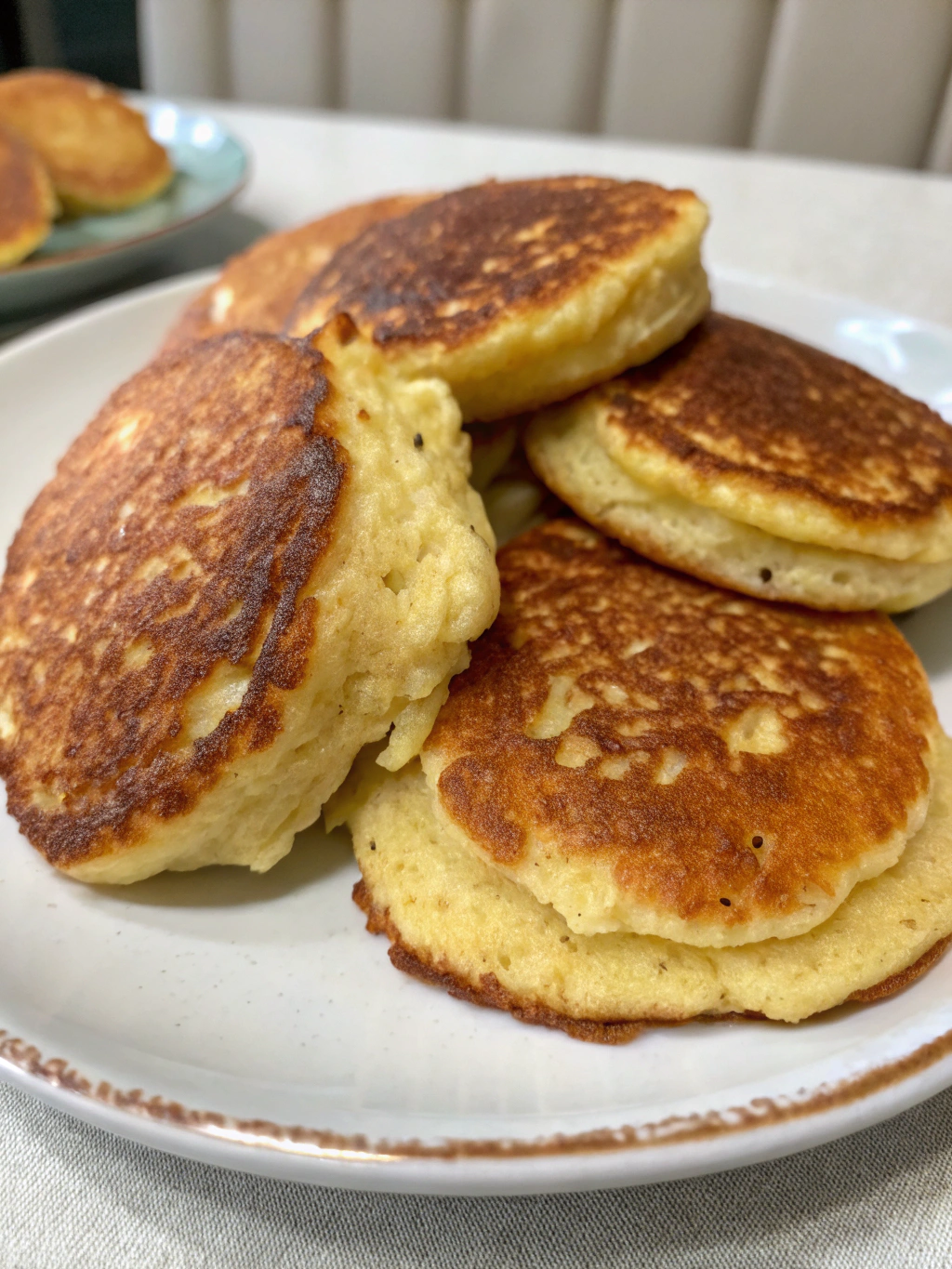
Have you ever wondered why a simple cornmeal cake has captivated Southern kitchens for generations, yet remains a mystery to many home cooks today? This humble dish, born from necessity and ingenuity, offers a crispy exterior and tender interior that challenges the notion that great comfort food requires complicated techniques or expensive ingredients.
Welcome to this comprehensive Hoe Cakes Recipe guide, where we’ll explore every aspect of creating these golden, crispy cornmeal cakes that have been a staple in American Southern cuisine for centuries. Whether you’re seeking an authentic taste of tradition or simply want a quick, delicious side dish, this recipe delivers exceptional results every single time.
Hoe cakes represent more than just food—they’re a connection to culinary heritage. Originally cooked on the blade of a hoe over open fires by field workers, these cakes have evolved into a beloved comfort food that graces modern tables across the country.
Table of Contents
Ingredients List
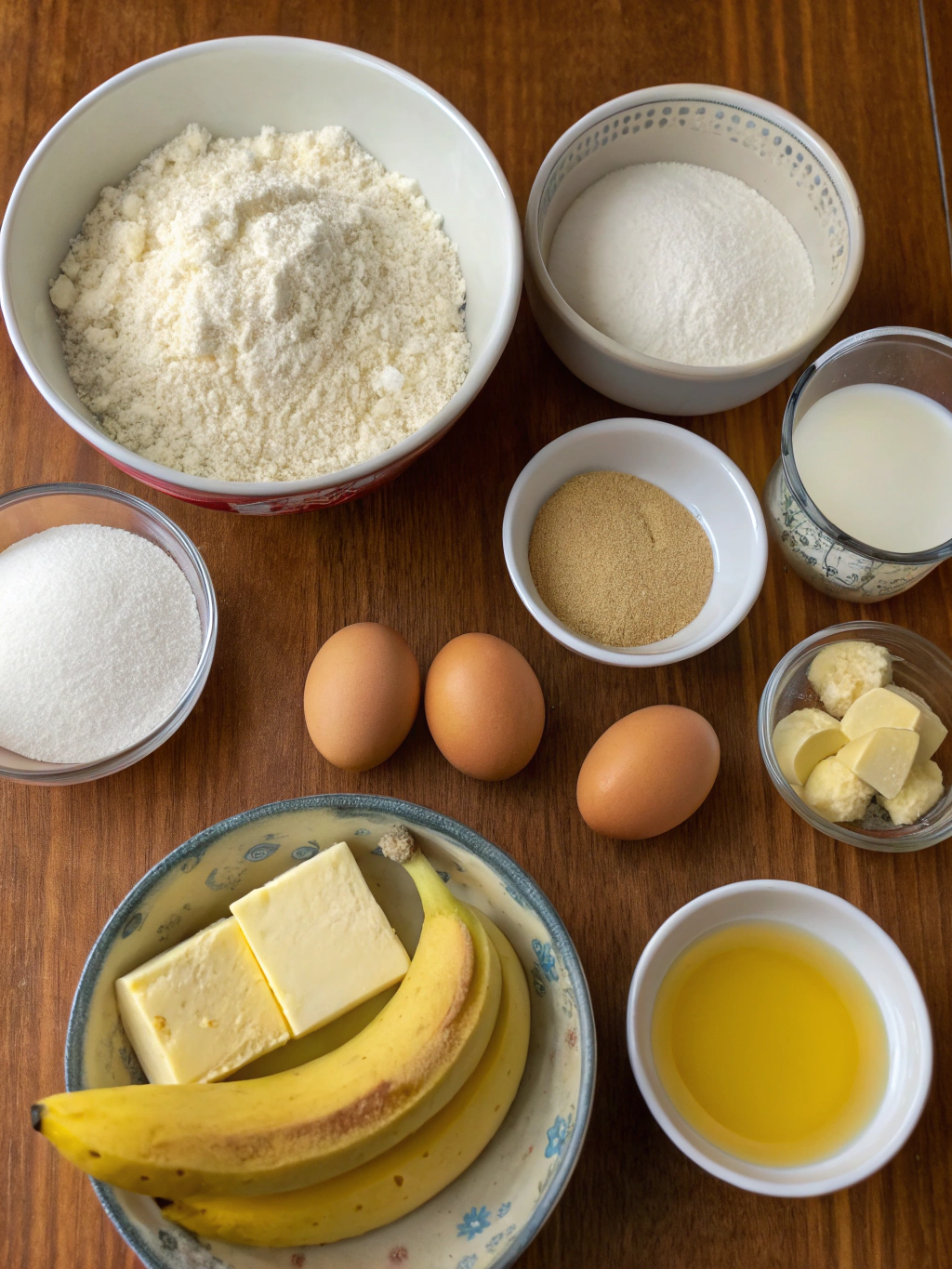
Gathering the right ingredients is essential for achieving that perfect golden crust and tender crumb. Here’s everything you’ll need for this traditional Hoe Cakes Recipe:
- 1 cup yellow cornmeal – Stone-ground cornmeal provides superior texture and authentic flavor, though regular cornmeal works perfectly fine
- 1/4 cup all-purpose flour – This helps bind the cakes together; substitute with gluten-free flour blend if needed
- 1 teaspoon baking powder – Ensures a light, fluffy interior texture
- 1/2 teaspoon salt – Enhances all the natural flavors; adjust to taste preference
- 1 tablespoon granulated sugar – Adds subtle sweetness; optional for those preferring savory cakes
- 1 cup buttermilk – Creates tenderness and tangy flavor; substitute with regular milk plus 1 tablespoon lemon juice
- 1 large egg – Beaten, provides structure and richness
- 2 tablespoons melted butter – Adds flavor and moisture; vegetable oil works as an alternative
- Vegetable oil or bacon grease for frying – Bacon grease delivers authentic Southern flavor and superior crispiness
These simple ingredients combine to create something truly special. The cornmeal provides that distinctive grainy texture, while the buttermilk ensures each cake remains moist and tender despite the high-heat cooking method.
Timing
Time management is crucial for achieving perfect results with this recipe. Here’s the complete breakdown:
Preparation Time: 10 minutes – This includes measuring ingredients, mixing the batter, and heating your cooking surface to the optimal temperature.
Cooking Time: 15-20 minutes – Depending on how many cakes you’re frying simultaneously and your preferred level of crispiness.
Total Time: 25-30 minutes – Remarkably efficient compared to traditional bread recipes, which typically require 90+ minutes including rising time. This represents approximately 70% time savings while delivering equally satisfying results.
The quick preparation makes this Hoe Cakes Recipe perfect for busy weeknight dinners or last-minute breakfast solutions. You’ll have hot, delicious cakes on the table before many people finish preheating their ovens.
Step-by-Step Instructions
Step 1: Prepare Your Dry Ingredients
In a large mixing bowl, whisk together the cornmeal, all-purpose flour, baking powder, salt, and sugar until thoroughly combined. This ensures even distribution of leavening agents, preventing some cakes from being flat while others puff up excessively.
Pro tip: Sifting your dry ingredients creates an even lighter texture, though it’s not absolutely necessary for excellent results.
Step 2: Combine Wet Ingredients
In a separate medium bowl, whisk together the buttermilk, beaten egg, and melted butter until the mixture appears uniform and slightly frothy. The frothiness indicates proper incorporation, which contributes to tender cakes.
Make sure your melted butter has cooled slightly before adding it to prevent cooking the egg prematurely, which would create unpleasant lumps in your batter.
Step 3: Create the Batter
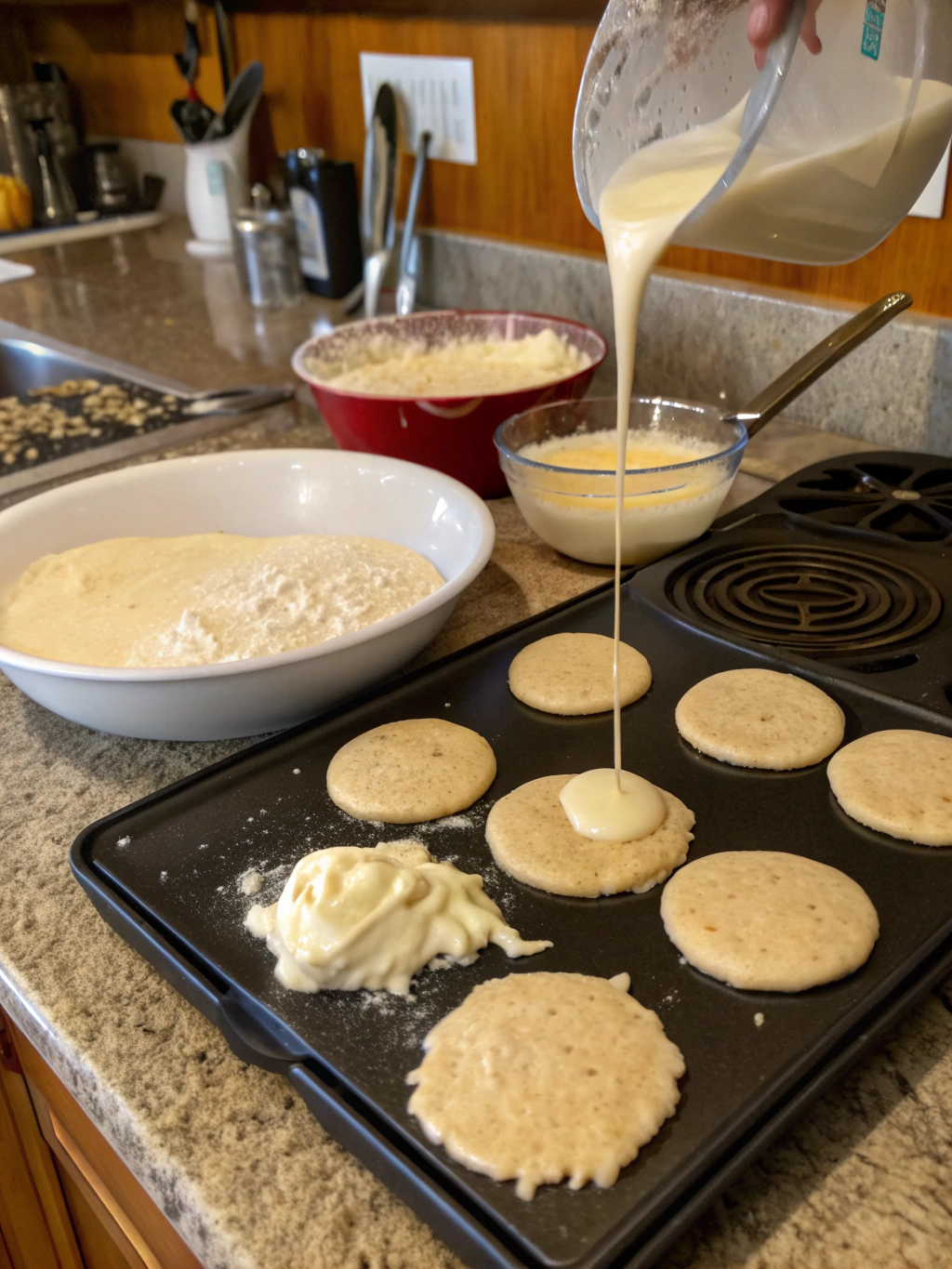
Pour the wet ingredients into the dry ingredients, stirring gently with a wooden spoon or rubber spatula. Mix until just combined—you should still see small lumps throughout the batter.
Overmixing develops gluten strands that create tough, chewy cakes instead of tender ones. The batter should be slightly thick but still pourable, similar to pancake batter consistency.
Step 4: Heat Your Cooking Surface
Place a large cast-iron skillet or heavy-bottomed frying pan over medium-high heat. Add enough vegetable oil or bacon grease to coat the bottom with about 1/4 inch of fat.
The oil is ready when a small drop of batter sizzles immediately upon contact. This typically takes 3-4 minutes. Proper oil temperature is crucial—too cool and your cakes absorb excess grease; too hot and they burn before cooking through.
Step 5: Fry the Hoe Cakes
Using a 1/4 cup measure or large spoon, pour batter into the hot oil, spacing cakes about 2 inches apart. Don’t overcrowd the pan, as this reduces oil temperature and prevents proper crisping.
Cook for 2-3 minutes on the first side until bubbles form on the surface and edges appear set. Flip carefully using a wide spatula, then cook another 2-3 minutes until golden brown.
Step 6: Drain and Serve
Transfer cooked cakes to a paper towel-lined plate to drain excess oil. Serve immediately while still hot and crispy for the best texture and flavor experience.
If making multiple batches, keep finished cakes warm in a 200°F oven on a wire rack set over a baking sheet. This prevents sogginess while maintaining temperature.
Nutritional Information
Understanding the nutritional profile helps you make informed dietary decisions. Each hoe cake (based on 8 servings) contains approximately:
Calories: 145 per cake – Moderate calorie content makes these suitable for most meal plans when enjoyed in appropriate portions.
Total Fat: 6g (including approximately 2g saturated fat) – The fat content comes primarily from the cooking oil and butter, contributing to the satisfying texture.
Carbohydrates: 19g – Cornmeal provides complex carbohydrates that offer sustained energy release compared to refined grain products.
Protein: 3g – While not a significant protein source, the egg and buttermilk contribute quality protein.
Fiber: 1.5g – Cornmeal contains beneficial dietary fiber, especially when using stone-ground varieties.
Sodium: 220mg – Represents about 10% of recommended daily intake; easily adjustable by reducing added salt.
Cornmeal offers notable nutritional benefits including B vitamins, iron, and magnesium. Compared to white bread, hoe cakes provide approximately 40% more fiber and essential minerals while maintaining similar caloric density.
Healthier Alternatives for the Recipe
Adapting this traditional recipe for various dietary needs doesn’t mean sacrificing flavor. Here are several modifications that maintain deliciousness while addressing specific health goals:
Reduce Oil Absorption: Use a non-stick skillet with just 1-2 tablespoons of oil, creating a pan-fried version rather than shallow-fried. This reduces fat content by approximately 30-40% while still achieving satisfactory crispiness.
Increase Whole Grains: Replace half the all-purpose flour with whole wheat flour for added fiber and nutrients. This modification increases fiber content by roughly 50% without significantly altering texture.
Lower Sugar Content: Reduce or eliminate the sugar entirely for a purely savory version. Many traditional recipes omit sugar completely, relying on the natural sweetness of cornmeal.
Dairy-Free Option: Substitute buttermilk with unsweetened almond milk or oat milk mixed with 1 tablespoon apple cider vinegar. Replace butter with coconut oil for completely dairy-free cakes.
Egg-Free Version: Use a flax egg (1 tablespoon ground flaxseed mixed with 3 tablespoons water, left to gel for 5 minutes) as a binding agent suitable for vegan diets.
Gluten-Free Adaptation: Replace all-purpose flour with a 1-to-1 gluten-free baking blend or additional cornmeal for naturally gluten-free cakes that maintain structural integrity.
Serving Suggestions
The versatility of hoe cakes makes them suitable for any meal. Here are creative serving ideas that showcase their adaptability:
Traditional Southern Breakfast: Serve hot cakes alongside scrambled eggs, crispy bacon, and sausage gravy. Drizzle with honey or maple syrup for a sweet-savory combination that’s absolutely irresistible.
Comfort Food Dinner: Pair with slow-cooked collard greens, black-eyed peas, and fried chicken for an authentic Southern feast. The cakes soak up pot liquor beautifully, creating incredible flavor combinations.
Modern Brunch Twist: Top with smoked salmon, cream cheese, capers, and fresh dill for an upscale presentation that impresses guests while honoring the humble origins.
Soup Accompaniment: Serve alongside chili, vegetable soup, or bean stew as a cornbread alternative. The crispy edges provide textural contrast to smooth, creamy soups.
Appetizer Base: Create mini hoe cakes using a tablespoon of batter, then top with pulled pork, coleslaw, or pimento cheese for elegant party appetizers.
Dessert Variation: Increase sugar to 3 tablespoons, then serve warm with butter, cinnamon sugar, or fresh berries and whipped cream for a delightful sweet treat.
Common Mistakes to Avoid
Even simple recipes have potential pitfalls. Avoid these common errors to ensure perfect results every time:
- Overmixing the Batter: Stirring too vigorously or too long develops gluten, creating tough, dense cakes instead of tender ones. Mix only until ingredients are barely combined, accepting some lumps.
- Incorrect Oil Temperature: Cold oil produces greasy, soggy cakes that absorb excessive fat. Overly hot oil burns exteriors before interiors cook through. Always test with a small amount of batter first.
- Crowding the Pan: Placing too many cakes simultaneously drops oil temperature dramatically, preventing proper browning. Cook in batches, leaving adequate space between each cake.
- Flipping Too Early: Impatience leads to broken cakes and messy results. Wait until bubbles form and edges set before attempting to flip, ensuring structural integrity.
- Using Old Baking Powder: Expired leavening agents won’t create proper rise, resulting in flat, dense cakes. Test baking powder freshness by adding a teaspoon to hot water—it should fizz vigorously.
- Skipping the Buttermilk: Regular milk lacks the acidity that activates baking powder and tenderizes the crumb. Always use buttermilk or create a substitute with milk and acid.
- Inconsistent Cake Sizes: Varying portions create uneven cooking times, with some cakes burning while others remain undercooked. Use a measuring cup for uniform results.
Storing Tips for the Recipe
Proper storage maintains quality and extends enjoyment of your hoe cakes beyond initial preparation:
Short-Term Storage: Cool cakes completely on a wire rack, then store in an airtight container at room temperature for up to 2 days. Place parchment paper between layers to prevent sticking.
Refrigeration: For extended freshness, refrigerate cooled cakes in an airtight container for up to 5 days. The cool temperature slows staling but may soften the crispy exterior slightly.
Freezing Instructions: Freeze individual cakes on a baking sheet until solid (about 2 hours), then transfer to freezer bags with air removed. Properly frozen cakes maintain quality for up to 3 months.
Reheating Methods: Restore crispiness by reheating in a 350°F oven for 5-7 minutes, or in a toaster oven until warmed through. Avoid microwaving, which creates rubbery texture.
Make-Ahead Batter: Prepare dry and wet ingredients separately, storing each in the refrigerator for up to 24 hours. Combine just before cooking for fresh-tasting results with minimal preparation time.
Batch Cooking Strategy: Double or triple the recipe, cooking all cakes at once, then freezing extras. This creates convenient ready-to-reheat options for busy mornings or last-minute meal additions.
Conclusion
This comprehensive guide has walked you through every aspect of creating authentic, delicious hoe cakes that honor Southern culinary traditions while fitting modern lifestyles. From selecting quality ingredients to mastering cooking techniques, you now possess the knowledge to produce consistently excellent results.
The beauty of this recipe lies in its simplicity and versatility. Whether you’re preparing a traditional Southern breakfast, seeking a quick weeknight side dish, or experimenting with creative variations, hoe cakes deliver satisfying flavor and comforting texture that appeals to all ages.
Remember the key principles: don’t overmix your batter, maintain proper oil temperature, and resist the urge to flip too early.