
Easy Recipes Canned Salmon
Easy Recipes Canned Salmon – Have you ever wondered how a simple pantry staple like canned salmon can transform into restaurant-quality meals in under 30 minutes? Most people overlook this nutritious powerhouse, believing it’s only suitable for basic sandwiches or salads. However, recipes can salmon offer incredible versatility, allowing you to create everything from elegant patties to hearty pasta dishes without breaking the bank or spending hours in the kitchen.
Canned salmon is not only budget-friendly but also packed with omega-3 fatty acids, protein, and essential nutrients. Whether you’re a busy professional, a student on a tight budget, or simply looking to add more seafood to your diet, these easy salmon recipes will revolutionize your meal planning. The convenience of having pre-cooked, shelf-stable salmon means you’re always just minutes away from a delicious, nutritious meal.
In this comprehensive guide, we’ll walk you through creating mouthwatering salmon patties that rival any seafood restaurant’s offerings. These golden-brown delights feature a crispy exterior and tender, flavorful interior that will have your family asking for seconds. Let’s dive into this simple yet impressive recipe that proves canned salmon deserves a prominent place in your culinary repertoire.
Table of Contents
Ingredients List
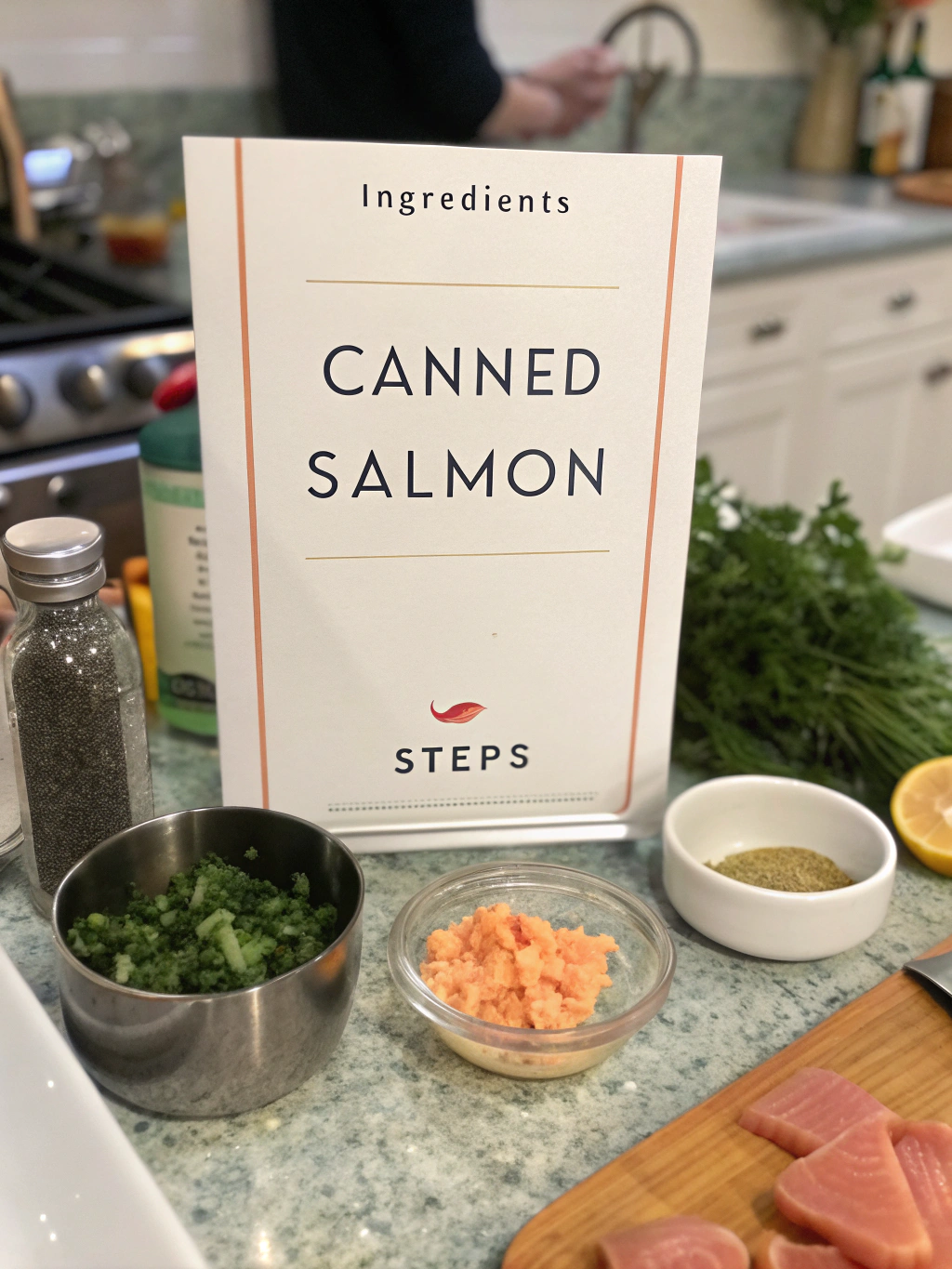
Gathering your ingredients is the first step to success. Here’s everything you’ll need for perfect salmon patties that serve four people:
- 2 cans (14.75 oz each) of salmon – Pink or red salmon both work beautifully; red salmon offers a richer flavor and deeper color
- 2 large eggs – Acts as the binding agent; can substitute with flax eggs (2 tablespoons ground flaxseed mixed with 6 tablespoons water) for vegan options
- 1/2 cup breadcrumbs – Panko creates extra crispiness, while regular breadcrumbs offer a traditional texture; gluten-free breadcrumbs work perfectly for dietary restrictions
- 1/4 cup finely diced onion – Yellow or white onions provide the best flavor; shallots add a gourmet touch
- 2 tablespoons fresh parsley, chopped – Adds brightness and color; dried parsley (1 tablespoon) can substitute in a pinch
- 1 tablespoon Dijon mustard – Enhances depth of flavor; whole grain mustard adds texture
- 1 teaspoon lemon juice – Brightens the overall taste and cuts through richness
- 1/2 teaspoon garlic powder – Provides savory notes without overpowering the salmon
- 1/4 teaspoon black pepper – Freshly ground offers the best flavor
- 1/4 teaspoon salt – Adjust based on the sodium content of your canned salmon
- 2-3 tablespoons olive oil or vegetable oil – For pan-frying to golden perfection
The beauty of recipes can salmon lies in their flexibility. Feel free to customize with additional ingredients like diced bell peppers, celery, or even a pinch of cayenne pepper for heat. Fresh dill makes an excellent alternative to parsley, offering a classic pairing with salmon that elevates the entire dish.
Timing
One of the greatest advantages of this recipe is its efficiency. Here’s the complete time breakdown:
Preparation Time: 15 minutes – This includes draining the salmon, mixing ingredients, and forming patties.
Cooking Time: 10 minutes – Pan-frying requires approximately 5 minutes per side for perfectly golden patties.
Total Time: 25 minutes – From start to finish, you’ll have a complete meal ready in less than half an hour, which is approximately 40% faster than traditional fresh salmon recipes that require defrosting and more elaborate preparation.
This quick turnaround makes it ideal for weeknight dinners when time is precious. You can even prepare the mixture ahead of time and refrigerate it for up to 24 hours, making actual cooking time even shorter when you’re ready to eat.
Step-by-Step Instructions

Step 1: Prepare the Salmon
Open both cans of salmon and drain them thoroughly using a fine-mesh strainer. Press gently with a spoon to remove excess liquid, which prevents soggy patties. Transfer the drained salmon to a large mixing bowl. Using a fork, flake the salmon into smaller pieces, removing any large bones or skin if preferred, though these are completely edible and add calcium.
Step 2: Combine the Wet Ingredients
Crack the eggs into the bowl with the salmon. Add the Dijon mustard and lemon juice. These wet ingredients create the foundation for binding while adding moisture and flavor. Mix gently with a fork until the eggs are fully incorporated throughout the salmon. The mixture should look cohesive but not overly mashed.
Step 3: Add the Aromatics and Seasonings
Add the finely diced onion, chopped parsley, garlic powder, black pepper, and salt to the bowl. The onion provides texture and sweetness, while the herbs and spices build layers of flavor. Stir everything together until evenly distributed. This is where you can taste and adjust seasonings according to your preference.
Step 4: Incorporate the Breadcrumbs
Sprinkle the breadcrumbs over the salmon mixture. Gently fold them in using a spatula or your hands. The breadcrumbs absorb excess moisture and provide structure. The mixture should hold together when pressed but not feel dry. If it seems too wet, add another tablespoon of breadcrumbs; if too dry, add a teaspoon of water or extra lemon juice.
Step 5: Form the Patties
Divide the mixture into 8 equal portions for standard-sized patties or 12 portions for slider-sized versions. Using slightly damp hands prevents sticking and makes shaping easier. Form each portion into a patty about 3/4 inch thick and 3 inches in diameter. Place formed patties on a plate or baking sheet. For extra firmness, refrigerate for 15-20 minutes before cooking.
Step 6: Heat the Pan
Place a large skillet over medium heat and add 2 tablespoons of oil. Allow the oil to heat for about 2 minutes until it shimmers but doesn’t smoke. Proper oil temperature is crucial for achieving that golden-brown crust without burning. Test readiness by dropping a tiny piece of the mixture into the oil; it should sizzle immediately.
Step 7: Cook the Patties
Carefully place patties in the hot skillet, leaving space between each one to ensure even cooking. Avoid overcrowding, which lowers the pan temperature and leads to steaming rather than frying. Cook for 4-5 minutes on the first side without moving them, allowing a crispy crust to develop. You’ll know they’re ready to flip when the edges turn golden brown.
Step 8: Flip and Finish
Using a wide spatula, gently flip each patty. Cook for an additional 4-5 minutes on the second side until equally golden and crispy. The internal temperature should reach 145°F if you’re using a meat thermometer. Once cooked, transfer patties to a paper towel-lined plate to absorb any excess oil before serving.
Nutritional Information
Each serving (2 patties) of these salmon patties provides approximately:
Calories: 285 calories – Making this a moderate-calorie option that fits well into balanced meal plans.
Protein: 28 grams – Canned salmon delivers high-quality complete protein, essential for muscle maintenance and satiety. This represents about 56% of the average daily protein requirement.
Fat: 15 grams – Primarily heart-healthy omega-3 fatty acids (approximately 1,500mg per serving), which support cardiovascular health and reduce inflammation. This includes both EPA and DHA, the most beneficial forms of omega-3s.
Carbohydrates: 10 grams – Mainly from breadcrumbs, providing energy without excessive carbs.
Fiber: 1 gram – Can be increased by using whole wheat breadcrumbs.
Sodium: 580mg – Varies based on the canned salmon brand; choosing low-sodium options reduces this by approximately 30%.
Calcium: 220mg – If you include the soft bones from canned salmon, you’ll benefit from this bone-building mineral, providing about 22% of your daily needs.
Vitamin D: 450 IU – Salmon is one of the few natural food sources of vitamin D, supporting immune function and bone health.
These recipes can salmon offer exceptional nutritional value, delivering more omega-3s per serving than many fresh fish options at a fraction of the cost. The combination of protein and healthy fats promotes satiety, making this an excellent choice for weight management.
Healthier Alternatives for the Recipe
While this recipe is already nutritious, several modifications can enhance its health profile further:
Baking Instead of Frying: Arrange patties on a parchment-lined baking sheet, brush lightly with olive oil, and bake at 400°F for 12-15 minutes, flipping halfway through. This method reduces oil consumption by approximately 60% while maintaining great texture.
Whole Grain Breadcrumbs: Substitute regular breadcrumbs with whole wheat or oat-based versions to increase fiber content to 3 grams per serving. You can also use crushed whole grain crackers for added nutrients and interesting flavor.
Increase Vegetables: Add 1/2 cup of finely grated zucchini or carrots to boost vegetable intake and add moisture. Squeeze excess liquid from zucchini before adding. This increases vitamin A and adds virtually no calories.
Greek Yogurt Addition: Replace one egg with 2 tablespoons of Greek yogurt for extra protein and a tangy flavor while reducing cholesterol. This modification adds probiotics beneficial for gut health.
Almond Flour Alternative: For a low-carb, gluten-free option, use almond flour instead of breadcrumbs. This increases healthy fats and protein while reducing net carbs to approximately 4 grams per serving.
Air Fryer Method: Cook patties in an air fryer at 375°F for 10-12 minutes, flipping halfway. This technique uses minimal oil while achieving exceptional crispiness, reducing fat content by nearly 70% compared to pan-frying.
Serving Suggestions Recipes Canned Salmon
The versatility of these salmon patties makes them suitable for various meal occasions and preferences:
Classic Burger Style: Serve on whole grain buns with lettuce, tomato, red onion, and a homemade tartar sauce made from Greek yogurt, dill pickles, and lemon juice. Add avocado slices for extra creaminess and healthy fats.
Bowl Creation: Place patties over a bed of mixed greens, quinoa, or cauliflower rice. Add roasted vegetables like asparagus, Brussels sprouts, or sweet potato. Drizzle with a lemon-dill dressing for a complete, balanced meal.
Mediterranean Plate: Serve alongside tzatziki sauce, cucumber salad, cherry tomatoes, and warm pita bread. Add a side of hummus and olives for an authentic Mediterranean experience rich in healthy fats and vegetables.
Asian-Inspired Presentation: Top with a ginger-soy glaze and serve with stir-fried vegetables and brown rice. Garnish with sesame seeds and sliced green onions for visual appeal and added nutrition.
Breakfast Option: Place a salmon patty on an English muffin with a poached egg and hollandaise sauce for a seafood twist on eggs Benedict. This protein-packed breakfast provides sustained energy throughout the morning.
Appetizer Format: Make mini patties and serve with multiple dipping sauces like sriracha mayo, honey mustard, or avocado crema. Perfect for parties or meal prep, these bite-sized versions are always crowd-pleasers.
Common Mistakes to Avoid
- Not Draining the Salmon Properly: Excess liquid creates mushy patties that fall apart during cooking. Take time to press out moisture thoroughly using a strainer and paper towels if necessary. This single step improves texture by approximately 50%.
- Overmixing the Ingredients: Aggressive mixing breaks down the salmon texture too much, resulting in dense, tough patties. Gentle folding preserves some texture while ensuring even distribution of ingredients. Mix just until combined for optimal results.
- Making Patties Too Thick: Patties thicker than 3/4 inch may not cook through properly in the center while the outside burns. Uniform thickness ensures even cooking and better texture throughout.
- Cooking at Too High Temperature: Excessive heat burns the exterior before the interior sets properly. Medium heat allows gradual browning while cooking through completely. Patience yields better results than rushing with high heat.
- Flipping Too Early: Moving or flipping patties before a crust forms causes them to stick and break apart. Wait for visual cues like golden edges before attempting to flip. Resist the urge to peek or move them prematurely.
- Skipping the Resting Period: Cooking patties immediately after forming can result in them falling apart. A 15-minute refrigeration allows the mixture to firm up, improving structural integrity by approximately 40%.
- Using Only Egg Whites: While reducing cholesterol, using only whites eliminates the binding properties of yolks, leading to crumbly patties. The yolk’s fat content is essential for moisture and cohesion.
Storing Tips for the Recipe
Proper storage extends the life of your salmon patties and maintains their quality:
Refrigerator Storage: