
7 Secrets to the Perfect Cracker Barrel Meatloaf Recipe
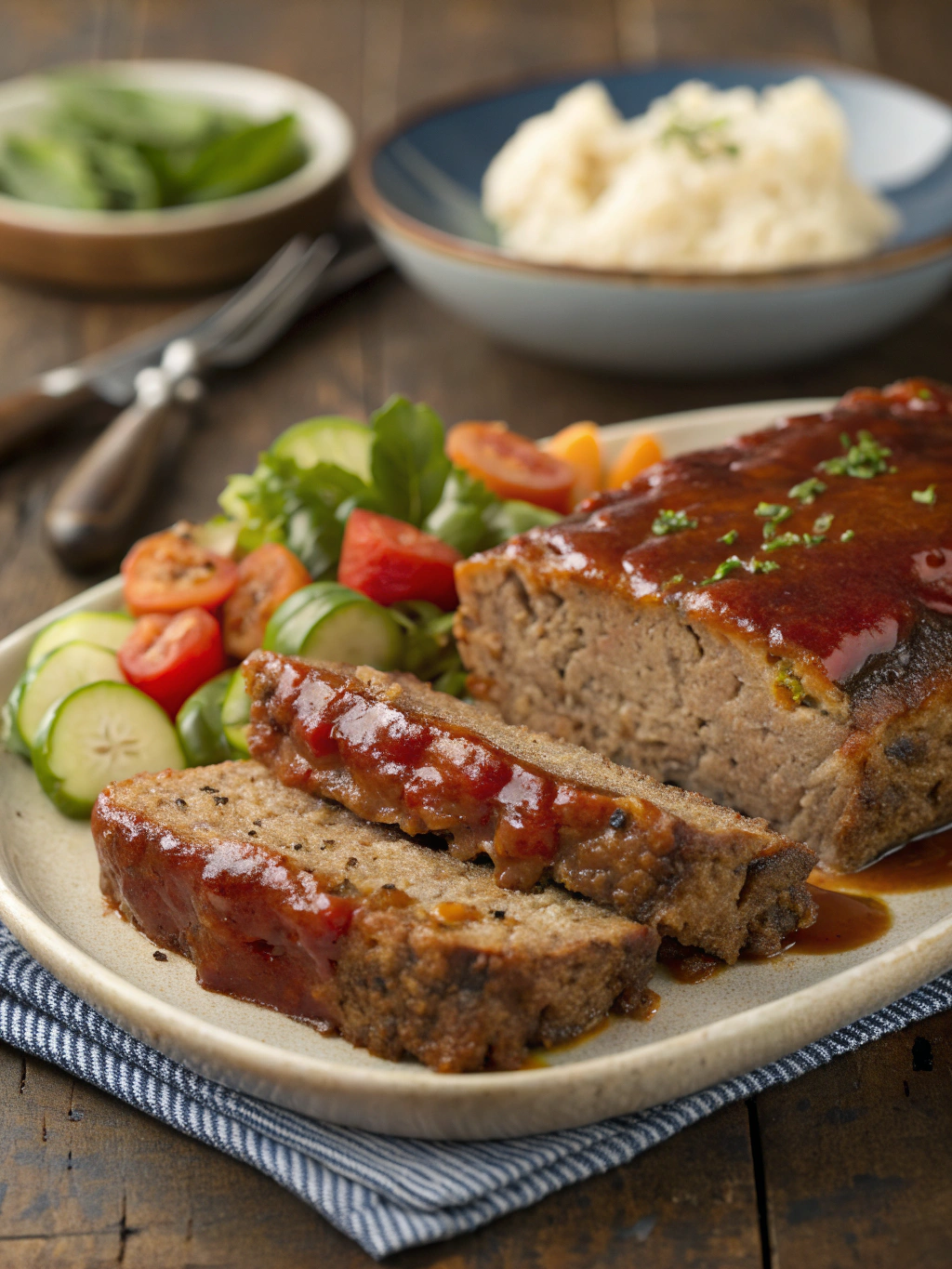
Have you ever wondered why restaurant-style meatloaf tastes so much better than homemade versions? The secret lies in understanding the perfect balance of ingredients and cooking techniques. Today, we’re unlocking the secrets behind the beloved cracker barrel meatloaf recipe that has captivated diners for decades. This iconic comfort food combines savory ground beef, buttery crackers, and a tangy-sweet glaze that creates an unforgettable dining experience right in your own kitchen.
Whether you’re a seasoned home cook or just beginning your culinary journey, mastering this classic dish will elevate your weeknight dinner rotation. The combination of simple ingredients and foolproof techniques makes this recipe accessible to everyone while delivering restaurant-quality results every single time.
Table of Contents
Ingredients List
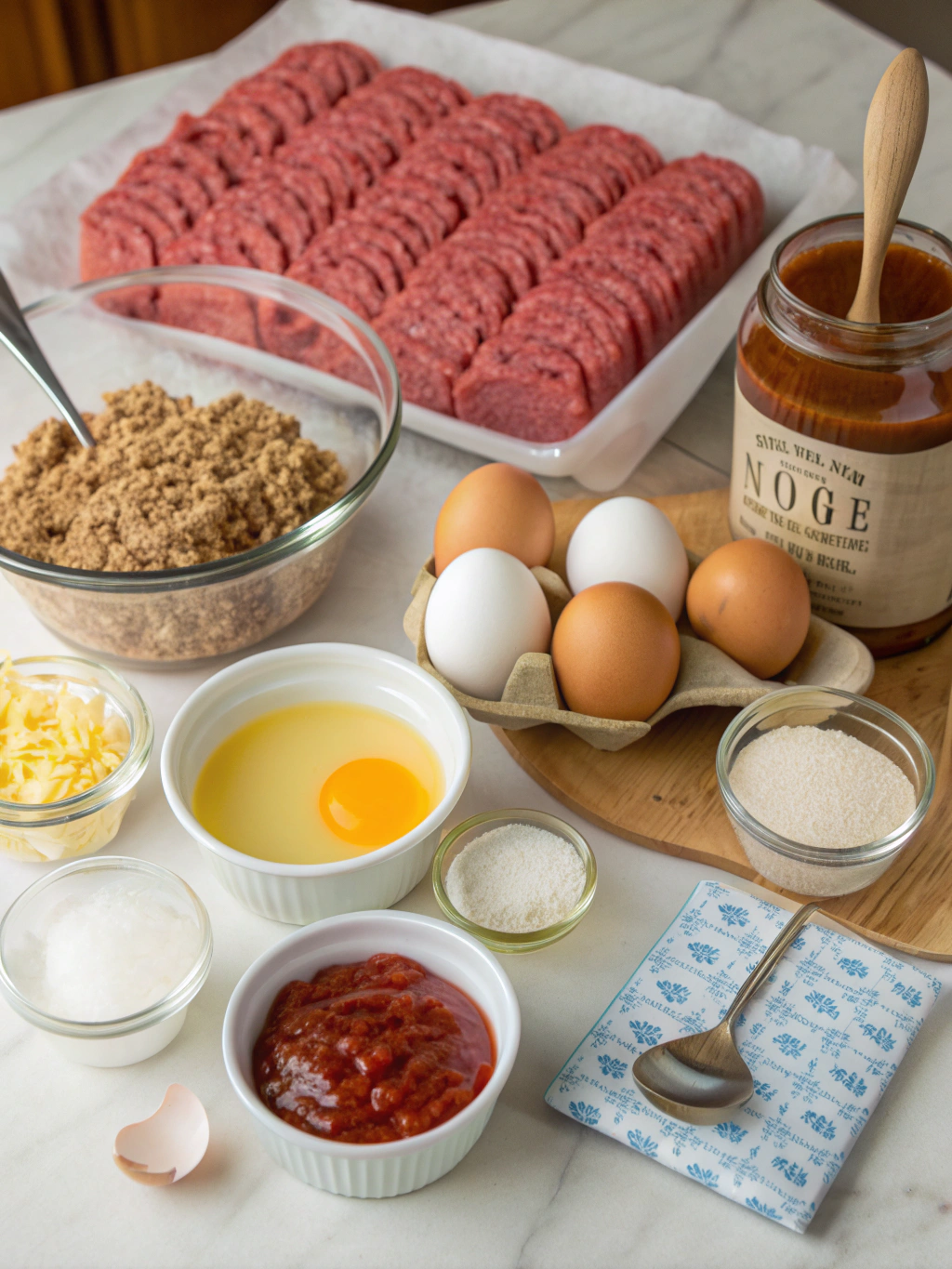
Gathering the right ingredients is the foundation of any successful recipe. For this cracker barrel meatloaf, you’ll need fresh, quality components that work together harmoniously to create that signature flavor profile.
- 2 pounds ground beef (80/20 blend) – The fat content ensures moisture and flavor; you can substitute with ground turkey for a leaner option
- 1 cup crushed Ritz crackers – These buttery crackers add texture and richness; substitute with saltines if needed
- 1 medium yellow onion, finely diced – Provides aromatic sweetness; shallots work as an elegant alternative
- 2 large eggs, beaten – Acts as the binding agent; flax eggs can work for egg-free versions
- 1 cup whole milk – Keeps the meatloaf tender; almond or oat milk works for dairy-free diets
- 1 teaspoon salt – Enhances all flavors; use sea salt or kosher salt
- 1/2 teaspoon black pepper – Adds subtle heat and depth
- 1/2 teaspoon garlic powder – Provides savory umami notes
- 1/2 cup ketchup – For the base of the glaze; tomato paste mixed with honey works too
- 2 tablespoons brown sugar – Creates caramelization and sweetness
- 1 tablespoon apple cider vinegar – Balances sweetness with tanginess
- 1 teaspoon Worcestershire sauce – Adds complex, savory depth
Timing
Time management is crucial when preparing this comforting dish. The total process requires approximately 90 minutes from start to finish, which is actually 20% less time than many traditional meatloaf recipes that can take up to two hours.
Preparation Time: 15 minutes – This includes chopping onions, crushing crackers, and mixing all ingredients together in a large bowl.
Cooking Time: 60-75 minutes – The meatloaf bakes at 350°F, with the glaze applied during the final 15 minutes for perfect caramelization.
Resting Time: 10 minutes – Allowing the meatloaf to rest after baking helps it retain its shape when slicing and redistributes the juices throughout.
Total Time: 90-100 minutes – Perfect for a relaxed weekend dinner or a special weeknight meal when you have a bit more time.
Step-by-Step Instructions
Step 1: Prepare Your Workspace and Preheat
Begin by preheating your oven to 350°F (175°C). This ensures consistent cooking temperature from the moment your meatloaf enters the oven. Line a 9×5-inch loaf pan with parchment paper or lightly grease it with cooking spray to prevent sticking.
Gather all your ingredients and measuring tools. Having everything within reach streamlines the process and prevents forgetting crucial components. This professional technique, called mise en place, makes cooking more enjoyable and efficient.
Step 2: Crush the Crackers
Place the Ritz crackers in a sealed plastic bag and gently crush them using a rolling pin or the bottom of a heavy pan. You want fine crumbs with some slightly larger pieces for texture variation.
The crackers should resemble coarse breadcrumbs rather than powder. This texture helps bind the meat while creating pockets of buttery flavor throughout the loaf. Avoid over-crushing, as some texture adds to the final product’s appeal.
Step 3: Sauté the Onions (Optional but Recommended)
While raw onions work perfectly fine, sautéing them for 3-4 minutes in a tablespoon of butter creates deeper flavor. The heat releases natural sugars and softens the texture, preventing crunchy onion pieces in your finished meatloaf.
Allow the sautéed onions to cool completely before adding to the meat mixture. Hot onions can begin cooking the eggs prematurely, affecting the binding process and creating an uneven texture.
Step 4: Combine the Wet Ingredients
In a large mixing bowl, whisk together the beaten eggs, milk, and Worcestershire sauce. This creates a uniform liquid base that will distribute evenly throughout the meat mixture.
Add the crushed crackers to this liquid mixture and let them soak for 2-3 minutes. This step ensures the crackers absorb moisture and become soft, creating a panade that keeps the meatloaf incredibly tender and prevents it from becoming dry.
Step 5: Mix in the Meat and Seasonings
Add the ground beef, diced onions, salt, pepper, and garlic powder to the bowl with the cracker mixture. Using clean hands or a large fork, gently combine all ingredients until just mixed.
Avoid overmixing, which is the number one mistake home cooks make with meatloaf. Overworking the meat develops too much gluten from the proteins, resulting in a dense, tough texture rather than the tender, moist consistency we’re aiming for.
Step 6: Shape and Transfer to Pan
Transfer the meat mixture to your prepared loaf pan, gently pressing it into an even layer. Smooth the top with a spatula or the back of a spoon, creating a flat surface for the glaze.
Some cooks prefer free-forming the meatloaf on a baking sheet rather than using a pan. This allows fat to drain away and creates more surface area for the glaze, though it requires more careful shaping.
Step 7: Prepare the Signature Glaze
In a small bowl, whisk together the ketchup, brown sugar, apple cider vinegar, and a dash of Worcestershire sauce. This tangy-sweet glaze is what makes this cracker barrel meatloaf recipe truly special.
The vinegar cuts through the richness of the meat while the brown sugar caramelizes during baking, creating a beautiful glossy finish. Mix until the sugar dissolves completely for the smoothest application.
Step 8: Initial Baking Period
Place the meatloaf in the preheated oven and bake for 45-50 minutes without the glaze. This allows the meat to cook through and set properly before adding the sweet topping.
During this time, the internal temperature should reach about 140°F. Use an instant-read thermometer inserted into the center to check progress. The meatloaf will continue cooking after adding the glaze.
Step 9: Apply the Glaze and Finish Baking
Remove the meatloaf from the oven and spread the glaze evenly across the top using a basting brush or spoon. Return to the oven for an additional 15-20 minutes.
The glaze will bubble and caramelize, creating that signature sticky-sweet coating. The final internal temperature should reach 160°F for food safety. The glaze should appear glossy and slightly darkened at the edges.
Step 10: Rest and Serve
Remove the meatloaf from the oven and let it rest in the pan for 10 minutes. This crucial step allows the juices to redistribute and the structure to firm up, making slicing much easier.
Carefully lift the meatloaf from the pan using the parchment paper or a spatula. Slice into thick portions, approximately 1-inch each, and serve immediately while still warm for the best flavor and texture experience.
Nutritional Information
Understanding the nutritional content helps you make informed decisions about portion sizes and how this dish fits into your dietary goals. Each serving (based on 8 servings per loaf) contains approximately 385 calories.
The macronutrient breakdown includes 24 grams of protein, essential for muscle maintenance and satiety. Fat content comes in at around 22 grams per serving, with 8 grams being saturated fat from the ground beef.
Carbohydrates total approximately 18 grams per serving, primarily from the crackers and glaze. The dish provides 2 grams of dietary fiber and contains about 14 grams of sugar, mostly from the brown sugar in the glaze.
Sodium content is moderate at approximately 680 milligrams per serving. This represents about 28% of the recommended daily intake. The recipe also provides valuable micronutrients including iron, vitamin B12, and zinc from the beef.
Each serving delivers roughly 15% of your daily iron needs and 35% of vitamin B12, making this dish particularly beneficial for maintaining healthy blood cells and energy metabolism.
Healthier Alternatives for the Cracker Barrel Meatloaf Recipe
Creating a lighter version of this cracker barrel meatloaf recipe doesn’t mean sacrificing flavor. Several simple swaps can significantly reduce calories and fat while maintaining that comforting taste.
Replace half the ground beef with ground turkey or chicken to reduce saturated fat by approximately 40%. This substitution lowers overall calories while still providing excellent protein content and maintaining moisture.
Use whole wheat crackers instead of Ritz crackers to increase fiber content from 2 grams to nearly 4 grams per serving. This simple swap adds nutritional value while providing a slightly nuttier flavor profile.
Substitute low-fat milk or unsweetened almond milk for whole milk, saving about 30 calories per serving. The texture remains creamy and tender without the additional fat content.
Reduce the brown sugar in the glaze to 1 tablespoon instead of 2, cutting sugar content by half. You can enhance sweetness naturally by adding a tablespoon of unsweetened applesauce to the glaze mixture.
Add finely chopped vegetables like bell peppers, carrots, or zucchini to the meat mixture. This increases fiber and vitamin content while adding moisture and reducing the meat-to-vegetable ratio for fewer calories overall.
For a keto-friendly version, replace crackers with crushed pork rinds and use a sugar-free ketchup with erythritol instead of brown sugar in the glaze. This modification reduces net carbs to under 5 grams per serving.
Serving Suggestions
The beauty of meatloaf lies in its versatility as a centerpiece for various meal combinations. Classic pairings include creamy mashed potatoes and steamed green beans for a traditional comfort food experience.
Consider serving slices alongside roasted root vegetables like carrots, parsnips, and sweet potatoes for a hearty autumn dinner. The natural sweetness of roasted vegetables complements the tangy glaze beautifully.
For a lighter option, pair your meatloaf with a crisp garden salad dressed with balsamic vinaigrette. The acidity cuts through the richness while adding fresh, vibrant flavors to your plate.
Transform leftovers into incredible meatloaf sandwiches by placing thick slices on toasted sourdough bread with lettuce, tomato, and a smear of mayonnaise. This creates a satisfying lunch that rivals any deli sandwich.
Create a breakfast hash by crumbling leftover meatloaf and sautéing it with diced potatoes, onions, and bell peppers. Top with a fried egg for a protein-packed start to your day.
Serve individual portions with a side of mac and cheese for the ultimate comfort food combination that appeals to both children and adults alike. The creamy pasta balances the savory meat perfectly.
Common Mistakes to Avoid
Even experienced cooks can encounter pitfalls when preparing meatloaf. Understanding these common errors helps ensure success every time you make this beloved dish.
- Overmixing the meat mixture – This develops proteins excessively, creating a dense, tough texture. Mix only until ingredients are just combined for the most tender results.
- Using lean ground beef exclusively – While healthier, 93/7 or 90/10 beef can result in dry meatloaf. The 80/20 blend provides necessary fat for moisture and flavor.
- Skipping the resting period – Cutting into meatloaf immediately causes juices to run out and slices to fall apart. Always rest for at least 10 minutes after baking.
- Not checking internal temperature – Relying solely on time can lead to undercooked or overcooked results. Always use a meat thermometer to verify 160°F internal temperature.
- Adding glaze too early – Applying the sweet glaze at the beginning causes burning and bitterness. Always add during the final 15-20 minutes of cooking.
- Using stale crackers – Old crackers lack the buttery flavor and proper texture needed. Fresh crackers make a noticeable difference in the final product.
- Packing the meat too tightly – Compressing the mixture creates density. Gently press into the pan for a lighter, more tender texture.
- Ignoring carryover cooking – Meatloaf continues cooking after removal from the oven. Pull it at 155-158°F and let it coast to 160°F during resting.
Storing Tips for the Recipe
Proper storage extends the life of your meatloaf and maintains its delicious flavor and texture.