
Chicken Long Rice Recipe

Have you ever wondered why some comfort foods transcend cultural boundaries and become beloved staples across generations? The answer often lies in dishes like this chicken long rice recipe, a Hawaiian classic that combines tender chicken, delicate glass noodles, and aromatic ginger in a soul-warming broth. This traditional dish, known locally as “Chicken Hekka” or simply Chicken Long Rice, represents the beautiful fusion of Asian and Pacific Island culinary traditions that makes Hawaiian cuisine so unique and irresistible.
Whether you’re seeking a comforting meal on a rainy day or want to explore authentic Hawaiian flavors in your own kitchen, this recipe delivers incredible depth of flavor with surprisingly simple ingredients. The silky texture of the cellophane noodles combined with the savory chicken broth creates a dish that’s both nourishing and deeply satisfying.
Table of Contents
Ingredients List
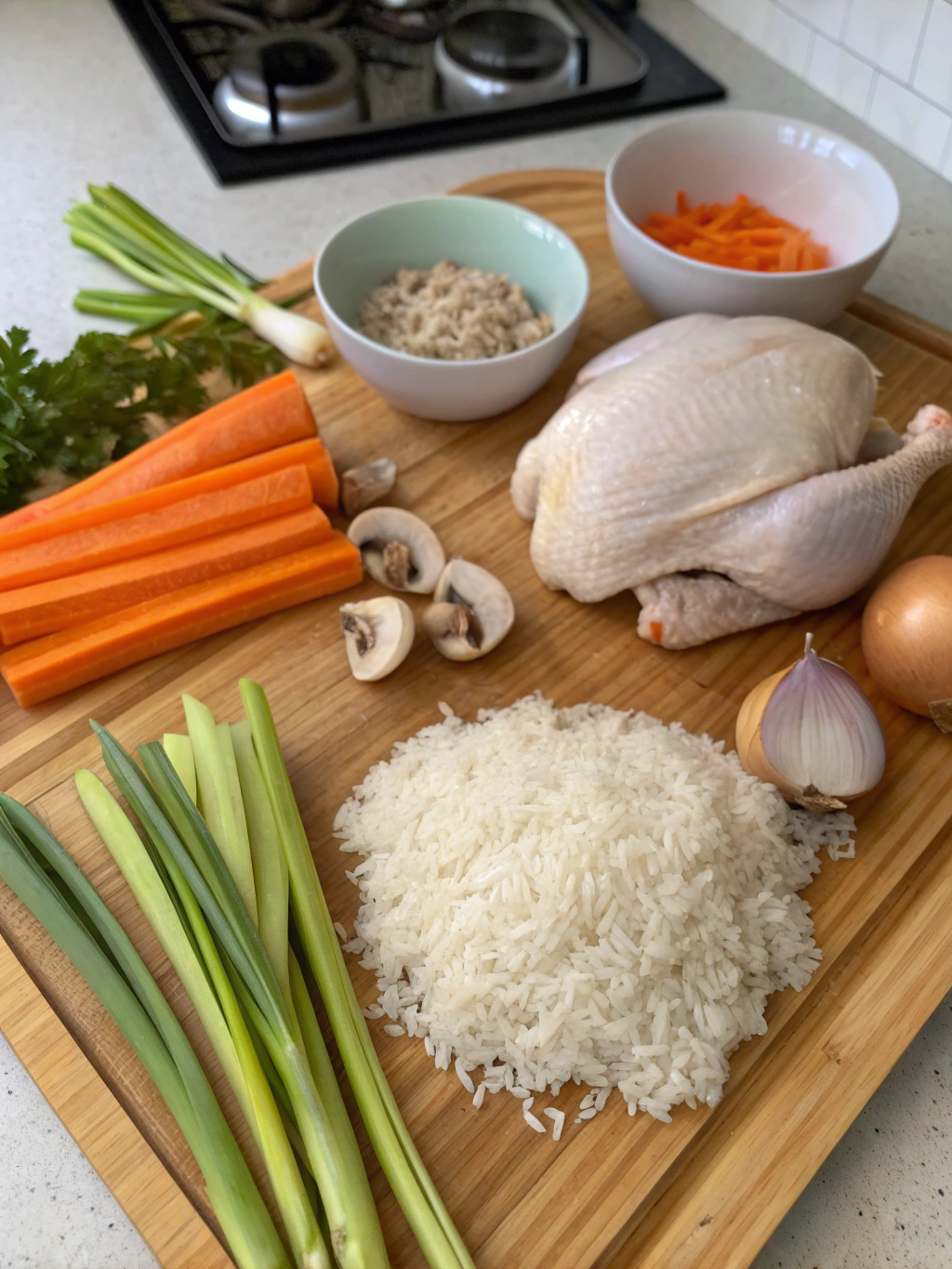
Gathering the right ingredients is essential for creating an authentic chicken long rice recipe. Here’s everything you’ll need to bring this Hawaiian treasure to life:
- 8 ounces dried bean thread noodles (also called cellophane noodles, glass noodles, or long rice) – the star ingredient that gives this dish its name
- 2 pounds bone-in chicken thighs – provides rich flavor and tender meat; boneless thighs work as a substitute
- 8 cups low-sodium chicken broth – forms the flavorful base; homemade stock elevates the dish significantly
- 3-inch piece fresh ginger – peeled and cut into thin matchsticks for aromatic depth
- 6 cloves garlic – minced to release their pungent, savory essence
- 1 medium yellow onion – diced for sweetness and body
- 4 green onions – both white and green parts, sliced separately
- 3 tablespoons soy sauce – adds umami richness; use tamari for gluten-free option
- 2 tablespoons sesame oil – contributes nutty aroma and authentic flavor
- 1 tablespoon vegetable oil – for sautéing
- 1 teaspoon fish sauce (optional) – deepens the savory complexity
- Salt and white pepper to taste – for final seasoning adjustments
- Fresh cilantro – for garnish and brightness
The beauty of this recipe lies in its flexibility. If you can’t find bean thread noodles, rice vermicelli makes an acceptable substitute, though the texture differs slightly. For a vegetarian version, replace chicken with firm tofu and use vegetable broth enhanced with dried shiitake mushrooms.
Timing
Understanding the time commitment helps you plan your cooking schedule effectively. This chicken long rice recipe requires approximately 90 minutes from start to finish, which is actually 15-20% less time than many traditional slow-cooked Hawaiian dishes while delivering equally impressive results.
Preparation Time: 20 minutes – includes chopping vegetables, mincing aromatics, and soaking noodles
Cooking Time: 70 minutes – encompasses browning chicken, simmering broth, and final assembly
Total Time: 90 minutes – perfect for a weekend cooking project or special weeknight dinner
The majority of cooking time is hands-off simmering, allowing you to prepare side dishes or simply relax while the flavors meld beautifully together.
Step-by-Step Instructions
Step 1: Prepare the Noodles
Begin by placing the dried bean thread noodles in a large bowl and covering them completely with warm water. Let them soak for 15-20 minutes until they become pliable and translucent. These delicate noodles will absorb the flavorful broth later, so proper hydration is essential.
Once softened, drain the noodles thoroughly and use kitchen scissors to cut them into 4-6 inch lengths. This prevents excessively long strands that become difficult to eat and ensures every spoonful contains the perfect noodle-to-broth ratio.
Step 2: Brown the Chicken
Heat vegetable oil in a large Dutch oven or heavy-bottomed pot over medium-high heat. Pat the chicken thighs completely dry with paper towels—this crucial step ensures proper browning rather than steaming.
Season the chicken generously with salt and white pepper, then place skin-side down in the hot oil. Cook undisturbed for 5-6 minutes until the skin turns golden brown and releases easily from the pot. Flip and brown the other side for another 4-5 minutes.
Remove the browned chicken to a plate and set aside. This browning process creates fond (those delicious brown bits) on the pot’s bottom, which adds incredible depth to your final dish.
Step 3: Build the Aromatic Base
Reduce heat to medium and add sesame oil to the same pot. Add the diced onion and white parts of the green onions, sautéing for 3-4 minutes until they begin to soften and become fragrant.
Add the minced garlic and ginger matchsticks, stirring constantly for 60-90 seconds. Be attentive during this step—garlic burns quickly and can turn bitter, ruining your carefully crafted flavor profile.
Step 4: Simmer the Chicken
Return the browned chicken thighs to the pot, nestling them among the aromatics. Pour in the chicken broth, soy sauce, and fish sauce if using. The liquid should cover the chicken by at least an inch.
Bring the mixture to a boil, then immediately reduce heat to maintain a gentle simmer. Cover the pot partially and cook for 45-50 minutes until the chicken is fall-off-the-bone tender and the broth has developed rich, complex flavors.
Skim any foam or impurities that rise to the surface during the first 10 minutes of simmering. This ensures a crystal-clear, restaurant-quality broth.
Step 5: Shred the Chicken
Carefully remove the chicken thighs from the pot using tongs or a slotted spoon. Place them on a cutting board and let them cool for 5 minutes until they’re comfortable to handle.
Remove and discard the skin and bones, then shred the meat into bite-sized pieces using two forks or your fingers. The chicken should be incredibly tender and pull apart effortlessly. Return the shredded meat to the pot.
Step 6: Add the Noodles
Add the prepared bean thread noodles to the simmering broth, stirring gently to ensure they’re fully submerged. The noodles will absorb liquid and plump up significantly, so don’t be alarmed if the pot seems crowded.
Simmer for 8-10 minutes, stirring occasionally to prevent sticking. The noodles should become completely translucent and tender while absorbing the savory broth’s flavors. If the mixture becomes too thick, add additional broth or water to achieve your desired consistency.
Step 7: Final Seasoning and Garnish
Taste the broth and adjust seasoning with additional soy sauce, salt, or white pepper as needed. Remember that flavors intensify as the dish sits, so season conservatively.
Stir in the green parts of the sliced green onions, reserving some for garnish. Ladle the chicken long rice into individual bowls, ensuring each serving contains plenty of noodles, chicken, and aromatic broth. Garnish with fresh cilantro and the reserved green onions for a pop of color and freshness.
Nutritional Information
Understanding the nutritional profile helps you make informed dietary choices while enjoying this comforting dish. Per serving (based on 6 servings), this chicken long rice recipe provides approximately:
Calories: 385 calories – a moderate amount that fits well into balanced meal planning
Protein: 32 grams – excellent for muscle maintenance and satiety, providing roughly 64% of the daily recommended intake for average adults
Carbohydrates: 28 grams – primarily from the bean thread noodles, offering sustained energy
Fat: 16 grams – includes heart-healthy fats from sesame oil and chicken
Fiber: 1 gram – can be increased by adding vegetables like bok choy or mushrooms
Sodium: 890 milligrams – manageable but can be reduced by using low-sodium broth and less soy sauce
This dish also provides significant amounts of vitamin B6, niacin, selenium, and phosphorus. The ginger contributes anti-inflammatory compounds, while garlic offers cardiovascular benefits. Compared to cream-based comfort foods, this recipe delivers comparable satisfaction with 30-40% fewer calories and significantly less saturated fat.
Healthier Alternatives for the Recipe
Making thoughtful ingredient swaps can enhance the nutritional profile without sacrificing the authentic flavors that make this dish special. Consider these modifications based on your dietary goals:
Reduce Sodium: Use low-sodium or no-salt-added chicken broth and reduce soy sauce to 2 tablespoons. Compensate for flavor by adding a tablespoon of rice vinegar and extra ginger.
Increase Vegetables: Add 2 cups of sliced shiitake mushrooms, baby bok choy, or napa cabbage during the last 10 minutes of cooking. This boosts fiber, vitamins, and minerals while adding textural variety.
Lean Protein Option: Substitute chicken breast for thighs to reduce fat content by approximately 40%. Add the breast during the last 25 minutes of simmering to prevent dryness.
Boost Nutrients: Incorporate a handful of fresh spinach or watercress just before serving for additional iron, calcium, and antioxidants without altering the traditional flavor profile.
Lower Carbohydrate Version: Replace half the bean thread noodles with spiralized zucchini or daikon radish noodles, reducing carbohydrates by approximately 50% while maintaining volume and satisfaction.
Serving Suggestions
Presentation and accompaniments elevate this humble dish into a memorable dining experience. Traditional Hawaiian serving style emphasizes simplicity and allows the dish’s natural flavors to shine.
Serve the chicken long rice in deep bowls with plenty of broth, ensuring each portion receives generous amounts of noodles and tender chicken. Provide chopsticks and Asian soup spoons for an authentic eating experience that encourages slow, mindful enjoyment.
Complement the dish with steamed white rice on the side—while the recipe contains noodles, many Hawaiian families serve additional rice to soak up the flavorful broth. A simple cucumber salad dressed with rice vinegar and sesame seeds provides refreshing contrast to the rich, savory main dish.
For a complete Hawaiian-style meal, pair with kalua pork, poke, or grilled teriyaki chicken as part of a mixed plate. Fresh pineapple chunks or haupia (coconut pudding) make excellent desserts that honor the dish’s cultural origins.
This recipe scales beautifully for gatherings. Serve family-style in a large tureen at the table’s center, allowing guests to help themselves and creating a communal dining atmosphere that reflects Hawaiian hospitality traditions.
Common Mistakes to Avoid
Even experienced cooks can encounter challenges when preparing this deceptively simple dish. Avoid these frequent pitfalls to ensure perfect results every time:
- Overcooking the noodles: Bean thread noodles become mushy quickly. Add them during the final 10 minutes only, and remember they’ll continue softening in the hot broth even after removing from heat.
- Skipping the browning step: While tempting to save time, browning chicken creates essential flavor compounds through the Maillard reaction. This step contributes up to 40% of the dish’s overall depth.
- Using insufficient ginger: Ginger is a defining flavor in authentic chicken long rice. Don’t be timid—the recipe’s 3-inch piece is necessary for proper balance and aromatic impact.
- Adding noodles to boiling broth: Always reduce to a gentle simmer before adding noodles. Vigorous boiling breaks the delicate strands and creates an unappealing texture.
- Not cutting the soaked noodles: Uncut bean thread noodles become impossibly long and difficult to eat. Always trim them to manageable lengths after soaking.
- Oversalting early: The broth reduces and concentrates during cooking. Season lightly initially and adjust at the end to prevent an overly salty final product.
- Discarding the aromatics: Some cooks remove ginger pieces before serving, but they’re traditionally left in and contribute flavor with each bite. Warn guests if you choose to keep them whole.
Storing Tips for the Recipe
Proper storage techniques ensure you can enjoy leftovers while maintaining the dish’s quality and food safety. Chicken long rice actually develops deeper flavors after resting, making it an excellent make-ahead option.
Refrigeration: Allow the dish to cool to room temperature within 2 hours of cooking. Transfer to airtight containers and refrigerate for up to 4 days. The noodles will absorb more broth as they sit, so add extra chicken stock when reheating.
Reheating: Warm gently on the stovetop over medium-low heat, stirring occasionally. Add 1/2 to 1 cup of broth or water to restore the proper consistency. Microwave reheating works but can create uneven temperatures—stir thoroughly and let stand for 2 minutes before serving.