
Chicken Carbonara Recipe
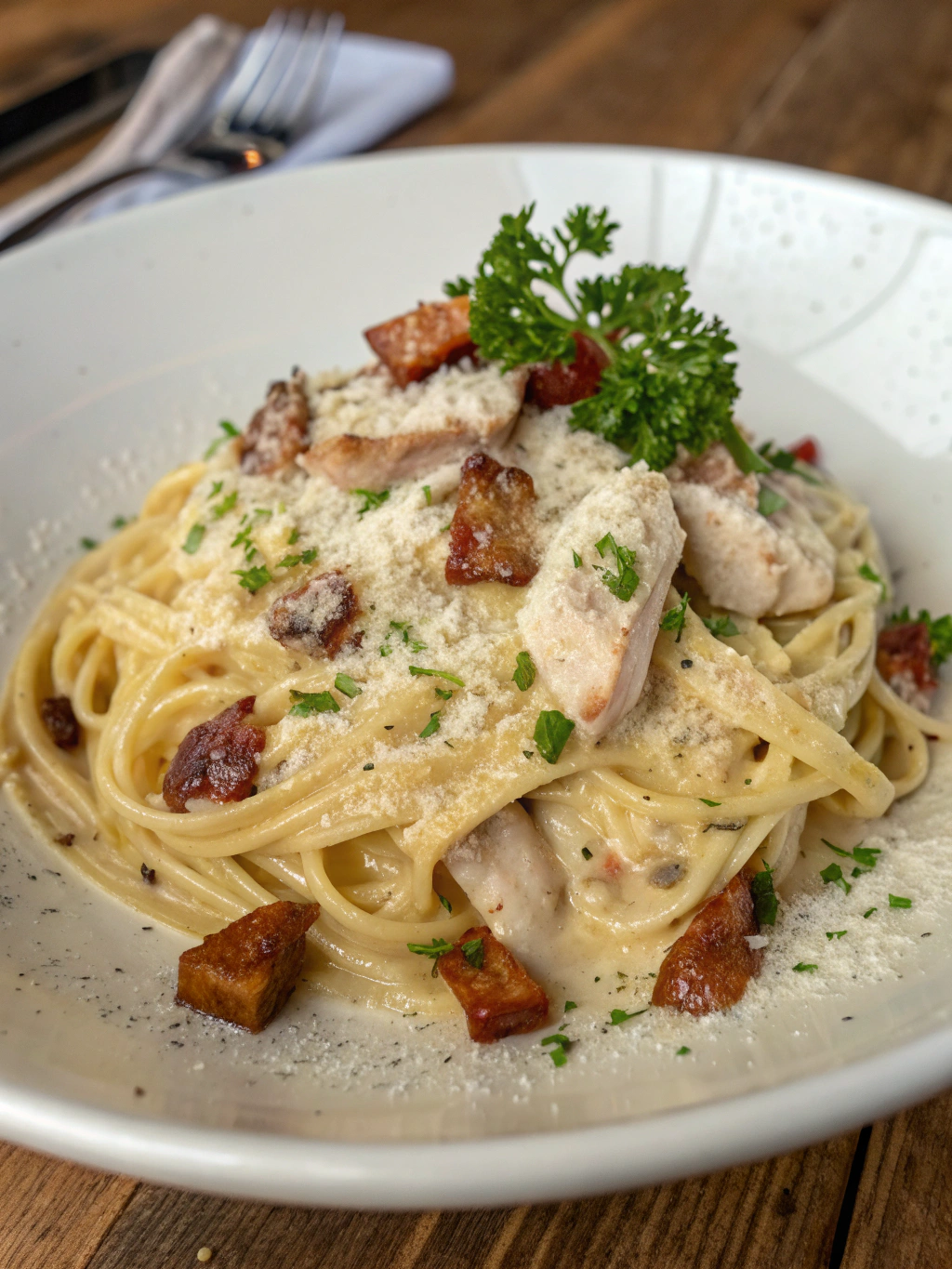
Have you ever wondered why traditional carbonara never includes chicken, yet the chicken version has become a beloved comfort food favorite across America? This delicious twist on the classic Italian pasta dish combines creamy sauce, crispy bacon, and tender chicken to create a meal that’s both satisfying and surprisingly simple to prepare. Today’s chicken carbonara recipe will transform your weeknight dinners into restaurant-quality experiences.
Unlike the authentic Roman carbonara that purists defend fiercely, this chicken-enhanced version offers additional protein and substance that makes it a complete one-dish meal. The silky sauce clings to every strand of pasta while juicy chicken pieces add heartiness that appeals to modern palates seeking filling, flavorful dinners.
Whether you’re cooking for picky eaters, meal-prepping for the week, or impressing dinner guests, this recipe delivers consistent results. The combination of simple ingredients and straightforward techniques means even novice cooks can achieve creamy, dreamy carbonara perfection every single time.
Table of Contents
Ingredients List
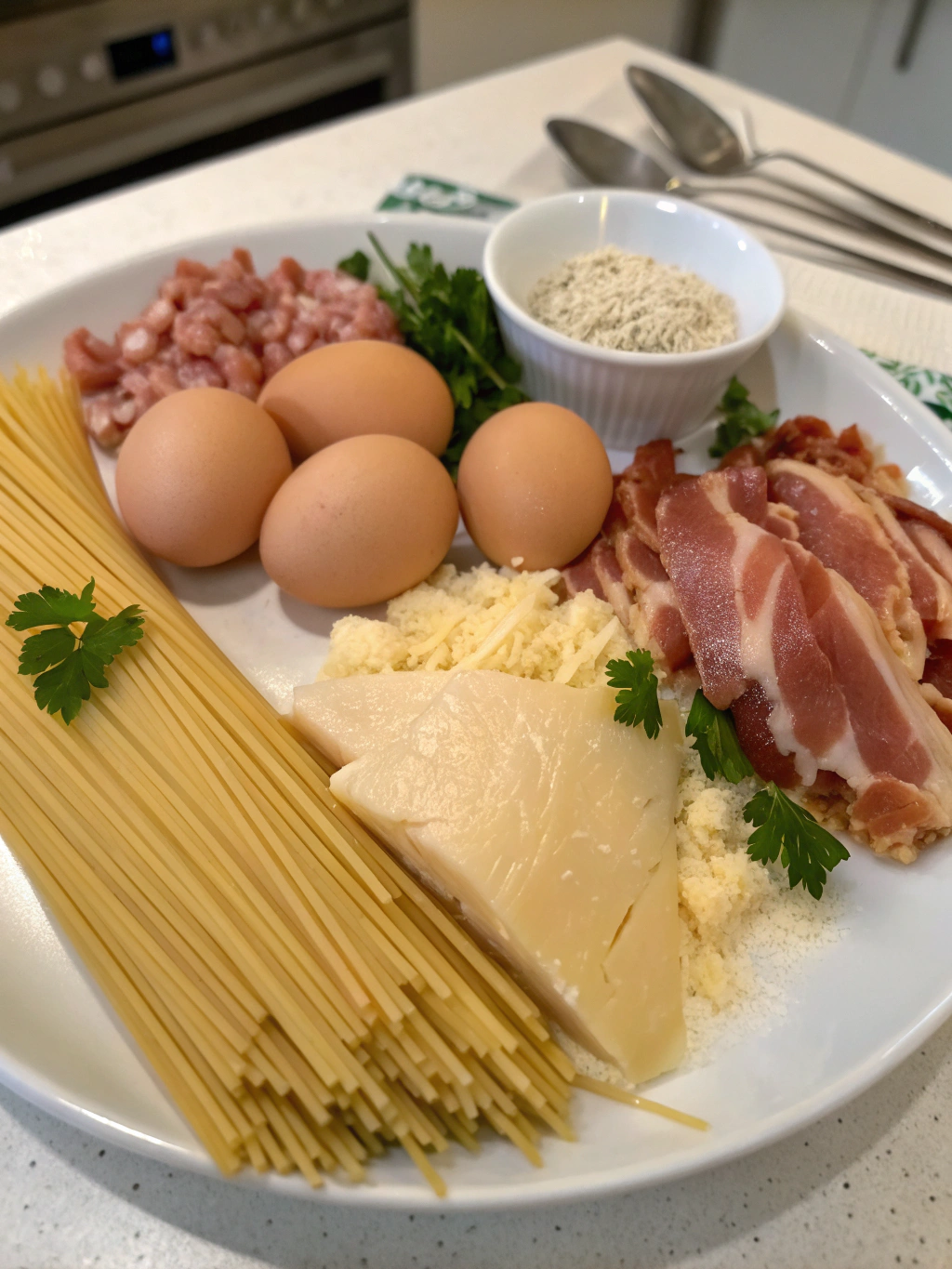
Gathering quality ingredients is the foundation of exceptional carbonara. Here’s everything you’ll need to create this magnificent dish:
- 1 pound boneless, skinless chicken breasts – Cut into bite-sized pieces (substitute: chicken thighs for richer flavor)
- 1 pound spaghetti or fettuccine – Choose your preferred pasta shape (substitute: whole wheat or gluten-free pasta)
- 8 ounces bacon – Thick-cut works beautifully, diced into small pieces (substitute: pancetta or turkey bacon)
- 4 large egg yolks – Room temperature for best results (substitute: 2 whole eggs plus 2 yolks for lighter sauce)
- 1 cup freshly grated Parmesan cheese – Plus extra for serving (substitute: Pecorino Romano for sharper flavor)
- 3 cloves garlic – Minced finely to release aromatic oils
- 1 cup heavy cream – Creates luxurious texture (substitute: half-and-half for reduced calories)
- 2 tablespoons olive oil – For cooking the chicken
- Salt and freshly ground black pepper – Season generously to taste
- Fresh parsley – Chopped, for garnish and freshness
- 1/2 cup reserved pasta water – Essential for adjusting sauce consistency
The beauty of this chicken carbonara recipe lies in its flexibility. Feel free to adjust quantities based on your household size or dietary preferences. Fresh, high-quality Parmesan makes a noticeable difference in the final flavor profile.
Timing
Time management is crucial when preparing carbonara since timing ensures the sauce reaches perfect creaminess without scrambling. Here’s your complete timeline breakdown:
Preparation Time: 15 minutes – This includes chopping chicken, dicing bacon, mincing garlic, and measuring ingredients. Organizing everything beforehand (mise en place) streamlines the cooking process significantly.
Cooking Time: 25 minutes – Actual stovetop cooking from start to plated dish. This represents approximately 30% less time than traditional baked pasta dishes, making it ideal for busy weeknights.
Total Time: 40 minutes – From starting preparation to serving hot, delicious carbonara. This efficiency makes it faster than ordering takeout while delivering superior taste and nutritional value.
Step-by-Step Instructions
Step 1: Prepare Your Ingredients
Begin by bringing a large pot of salted water to a rolling boil for the pasta. Meanwhile, cut chicken breasts into uniform 1-inch cubes to ensure even cooking. Dice bacon into small pieces and mince garlic finely.
In a medium bowl, whisk together egg yolks, grated Parmesan cheese, and heavy cream until smooth and well combined. Season this mixture with black pepper and set aside at room temperature. This prevents temperature shock when combining with hot pasta later.
Step 2: Cook the Pasta
Add pasta to the boiling water and cook according to package directions until al dente, typically 8-10 minutes. Al dente means the pasta still has slight firmness when bitten, which is crucial for proper texture.
Before draining, reserve at least 1 cup of starchy pasta water. This liquid gold helps adjust sauce consistency and helps the sauce adhere beautifully to every pasta strand. Drain pasta but don’t rinse it.
Step 3: Cook the Bacon
While pasta cooks, heat a large skillet over medium heat. Add diced bacon and cook for 6-8 minutes, stirring occasionally, until crispy and golden brown. The rendered fat will flavor the chicken next.
Using a slotted spoon, transfer crispy bacon to a paper towel-lined plate, leaving about 2 tablespoons of bacon fat in the skillet. This flavorful fat eliminates the need for additional cooking oil.
Step 4: Cook the Chicken
Add olive oil to the bacon fat in the skillet and increase heat to medium-high. Season chicken pieces generously with salt and pepper, then add them to the hot skillet in a single layer.
Cook chicken for 5-7 minutes, turning occasionally, until golden brown on all sides and cooked through (internal temperature of 165°F). Add minced garlic during the last minute of cooking, stirring constantly to prevent burning.
Step 5: Combine Everything
Reduce heat to low and add the drained pasta directly to the skillet with chicken. Toss everything together to coat pasta with the flavorful pan drippings and distribute chicken evenly.
Remove the skillet from heat completely. This critical step prevents the eggs from scrambling. Pour the egg and cheese mixture over the pasta, tossing continuously and vigorously for 1-2 minutes.
Step 6: Perfect the Sauce
The residual heat from the pasta and skillet will gently cook the eggs, creating a creamy, luxurious sauce. If the sauce seems too thick, add reserved pasta water one tablespoon at a time while tossing.
Continue adding pasta water and tossing until you achieve a silky, glossy sauce that coats the pasta beautifully without pooling at the bottom. The sauce should cling to each strand perfectly.
Step 7: Finish and Serve
Add the crispy bacon back to the skillet and toss to distribute evenly. Taste and adjust seasoning with additional salt and freshly ground black pepper as needed. Remember that Parmesan adds saltiness too.
Serve immediately in warmed bowls, garnished with extra Parmesan cheese and freshly chopped parsley. Carbonara waits for no one—it’s best enjoyed straight from the pan while steaming hot and creamy.
Nutritional Information
Understanding the nutritional profile of this chicken carbonara recipe helps you make informed dietary choices. Per serving (recipe serves 6):
Calories: 685 calories – Provides substantial energy for active lifestyles and growing families seeking satisfying meals.
Protein: 42 grams – The combination of chicken, bacon, eggs, and cheese delivers impressive protein content, supporting muscle maintenance and satiety. This represents approximately 84% of the recommended daily intake for average adults.
Carbohydrates: 58 grams – Primarily from pasta, providing energy for daily activities. Choosing whole wheat pasta increases fiber content by approximately 6 grams per serving.
Fat: 28 grams – Includes saturated fats from cream and cheese. While higher in fat, these contribute to the dish’s satisfying richness and help absorb fat-soluble vitamins.
Sodium: 890 milligrams – Mainly from bacon, cheese, and pasta water. Those monitoring sodium intake can reduce salt added to pasta water and choose low-sodium bacon.
Calcium: 285 milligrams – Parmesan cheese and cream provide significant calcium, supporting bone health. This represents about 28% of daily calcium needs.
Iron: 3.2 milligrams – Chicken and pasta contribute iron, essential for oxygen transport throughout the body.
Healthier Alternatives for the Recipe
Making thoughtful substitutions can significantly improve the nutritional profile while maintaining the comforting flavors you crave. These modifications prove that healthier eating doesn’t require sacrificing taste.
Reduce Calories: Replace heavy cream with half-and-half or even Greek yogurt mixed with a little pasta water. This substitution cuts approximately 150 calories per serving while adding probiotics and extra protein.
Increase Fiber: Use whole wheat pasta or pasta made from chickpeas or lentils. These alternatives boost fiber content by 5-8 grams per serving and provide additional nutrients like B vitamins and minerals.
Lower Fat Content: Choose turkey bacon instead of pork bacon, reducing saturated fat by nearly 40%. You can also use chicken breast exclusively without bacon for a leaner version.
Boost Vegetables: Add sautéed mushrooms, spinach, peas, or cherry tomatoes to increase nutrient density. These additions provide antioxidants, vitamins, and minerals while adding minimal calories.
Dairy-Free Option: Use nutritional yeast instead of Parmesan and coconut cream instead of heavy cream. This creates a surprisingly creamy sauce suitable for lactose-intolerant or vegan diets.
Portion Control: Serve smaller pasta portions alongside a large green salad. This strategy maintains satisfaction while reducing overall calorie intake by balancing the meal with nutrient-dense vegetables.
Serving Suggestions
Presentation and accompaniments elevate this chicken carbonara recipe from simple weeknight dinner to impressive entertaining fare. Consider these creative serving ideas:
Classic Pairing: Serve with a crisp Caesar salad and garlic bread for a complete Italian-inspired feast. The fresh, crunchy salad provides textural contrast to the creamy pasta.
Wine Selection: Pair with a crisp white wine like Pinot Grigio or Sauvignon Blanc. The acidity cuts through the richness beautifully, cleansing the palate between bites.
Vegetable Sides: Roasted asparagus, broccolini, or Brussels sprouts complement the rich carbonara perfectly. Their slight bitterness balances the creamy, salty pasta wonderfully.
Family Style: Present the carbonara in a large, warmed serving bowl at the table’s center. This encourages sharing and creates a convivial, restaurant-quality dining experience at home.
Individual Portions: For dinner parties, twirl pasta into neat nests using tongs and place in shallow bowls. Top each portion with a sprinkle of Parmesan and parsley for Instagram-worthy presentation.
Lunch Transformation: Leftover carbonara makes excellent lunch when reheated gently with a splash of cream or milk. Pack it with fresh fruit for a balanced midday meal.
Common Mistakes to Avoid
Even experienced cooks can stumble when preparing carbonara. Awareness of these common pitfalls ensures consistent success every time you make this beloved dish.
- Scrambled Eggs: Adding the egg mixture while the pan is too hot creates scrambled eggs instead of creamy sauce. Always remove from heat completely before adding the egg mixture, and work quickly while tossing.
- Dry Pasta: Failing to reserve pasta water leaves you without a solution when sauce becomes too thick. Always save at least one cup before draining pasta—it’s your insurance policy.
- Overcooked Chicken: Chicken breasts dry out quickly when overcooked. Use a meat thermometer to ensure perfect doneness at 165°F, and remove from heat immediately upon reaching temperature.
- Cold Ingredients: Adding cold eggs and cheese to hot pasta can cause clumping. Bring egg mixture to room temperature before combining for silky, smooth results.
- Wrong Pasta Shape: Very thin pasta like angel hair doesn’t hold the sauce well. Choose medium-width pasta like spaghetti, fettuccine, or linguine for optimal sauce adherence.
- Insufficient Seasoning: Under-seasoning is common because cooks forget that pasta needs generous salting. Taste and adjust seasoning at the end—carbonara should be boldly flavored.
- Waiting Too Long: Carbonara doesn’t hold well and becomes gluey as it cools. Prepare everything in advance so you can serve immediately after combining ingredients.
Storing Tips for the Recipe
Proper storage techniques maximize the lifespan and quality of your carbonara, though this dish truly shines when served fresh. Follow these guidelines for best results.
Refrigeration: Store leftover carbonara in an airtight container in the refrigerator for up to 3 days. The sauce will thicken considerably as it cools, which is completely normal.
Reheating Method: Reheat gently in a skillet over low heat, adding 2-3 tablespoons of milk, cream, or chicken broth to restore creaminess. Stir frequently to prevent sticking and ensure even heating throughout.
Microwave Alternative: If using a microwave, heat in 30-second intervals at 50% power, stirring between each interval. Add a splash of liquid to prevent drying out during reheating.
Freezing Considerations: While technically possible, freezing carbonara isn’t recommended as the cream sauce separates and becomes grainy upon thawing. The texture deteriorates significantly, diminishing the dish’s appeal.
Meal Prep Strategy: For meal prep purposes, cook and store the chicken and bacon separately from unsauced pasta. Prepare the sauce fresh when ready to eat for best