
Best Chicken and Sausage Recipes
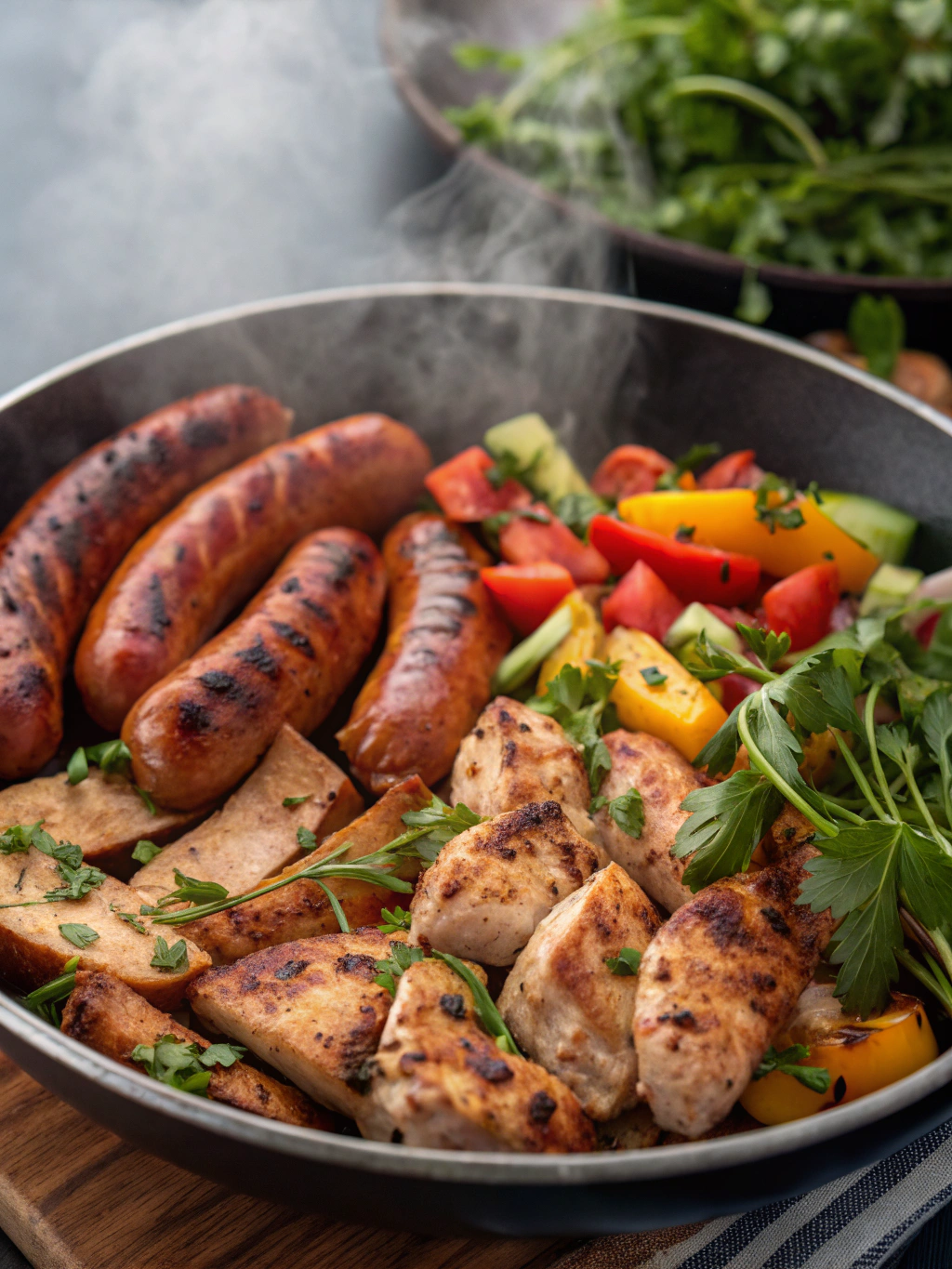
Are you tired of the same boring weeknight dinners that leave your family uninspired? What if you could combine two protein powerhouses into one incredible meal that’s both budget-friendly and bursting with flavor? The secret lies in mastering chicken and sausage recipes that transform simple ingredients into restaurant-quality dishes. These versatile combinations offer endless possibilities, from hearty one-pot meals to elegant dinner party centerpieces that will have everyone asking for seconds.
Whether you’re a busy parent seeking quick solutions or a food enthusiast exploring new culinary horizons, these recipes deliver exceptional taste without demanding hours in the kitchen. The marriage of tender chicken and savory sausage creates a depth of flavor that’s simply irresistible, making every bite a memorable experience.
Table of Contents
Ingredients List
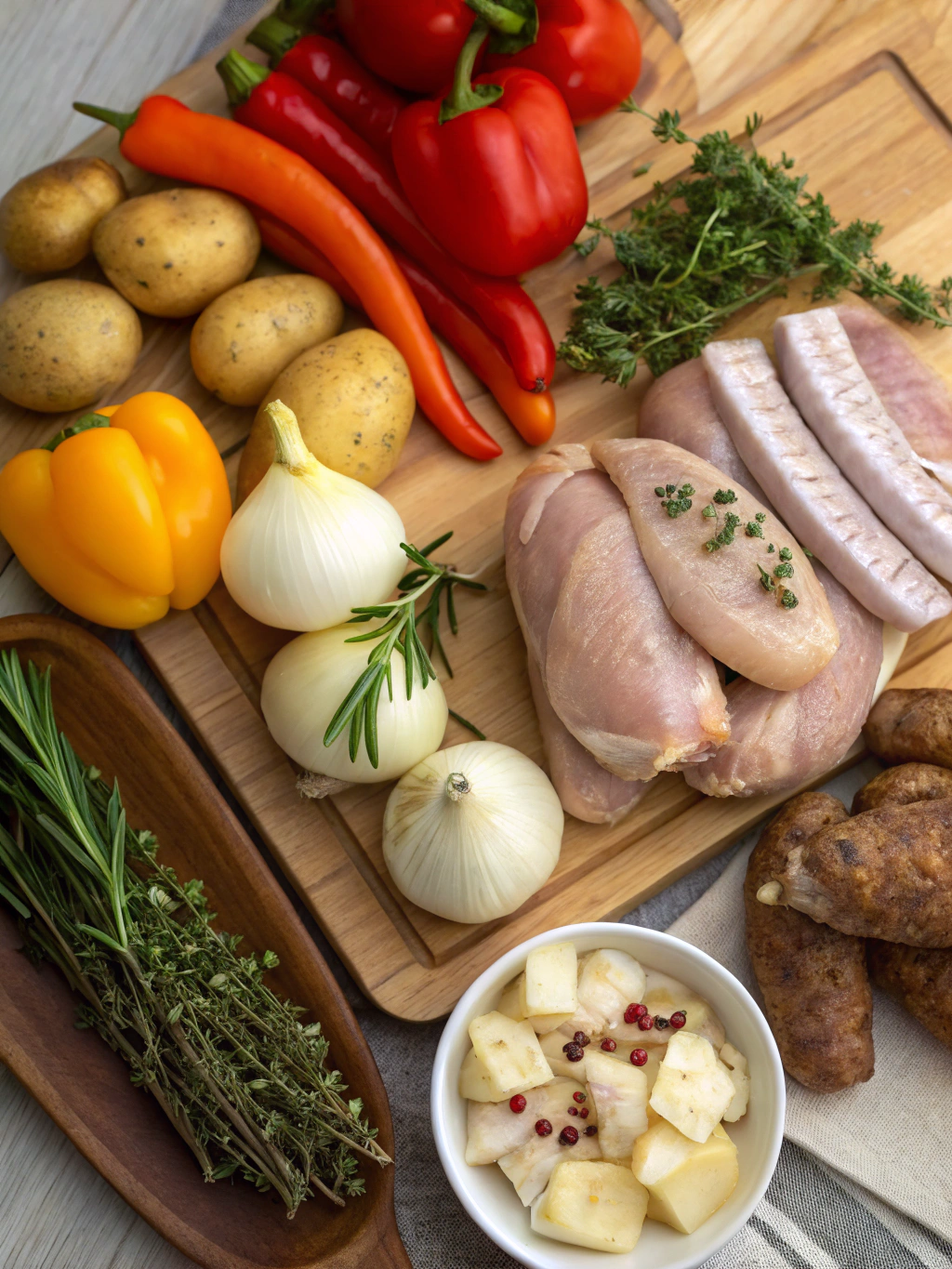
This comprehensive ingredient list covers a classic chicken and sausage skillet that serves 6 people. Each component plays a crucial role in building layers of flavor that make this dish extraordinary.
- 1.5 pounds boneless, skinless chicken thighs – Cut into bite-sized pieces (substitute with chicken breasts for leaner option)
- 12 ounces smoked sausage – Sliced into half-moons (andouille, kielbasa, or Italian sausage work beautifully)
- 2 tablespoons olive oil – For searing and sautéing (avocado oil is an excellent alternative)
- 1 large yellow onion – Diced (red onion adds a sweeter note)
- 3 bell peppers – Mixed colors, sliced (use frozen peppers for convenience)
- 4 cloves garlic – Minced fresh (1 teaspoon garlic powder in a pinch)
- 1 can (14.5 oz) diced tomatoes – With juices (fire-roasted adds smoky depth)
- 1 cup chicken broth – Low-sodium preferred (vegetable broth works too)
- 2 teaspoons Cajun seasoning – Adjust to taste preference (Italian seasoning for different flavor profile)
- 1 teaspoon smoked paprika – Adds warmth and color
- 1/2 teaspoon dried thyme – Earthy aromatic element
- Salt and black pepper – To taste
- Fresh parsley – Chopped for garnish (cilantro or green onions also work)
- 2 cups cooked rice or pasta – For serving (cauliflower rice for low-carb option)
The beauty of chicken and sausage recipes lies in their flexibility. Feel free to customize based on what’s available in your pantry or dietary preferences. The combination of proteins ensures a satisfying meal that keeps everyone full and happy.
Timing
Understanding the time commitment helps you plan your meal preparation effectively. This recipe is designed for efficiency without sacrificing quality or flavor development.
Preparation Time: 15 minutes – This includes chopping vegetables, slicing sausage, and cutting chicken into uniform pieces for even cooking.
Cooking Time: 35 minutes – Active cooking involves searing proteins, sautéing vegetables, and simmering everything together until perfectly tender.
Total Time: 50 minutes – From start to finish, you’ll have a complete meal ready in under an hour, which is approximately 25% faster than traditional braised chicken dishes that require longer cooking times.
This efficiency makes it perfect for weeknight dinners when time is precious but quality cannot be compromised. The relatively short cooking time also preserves nutrients and maintains the vibrant colors of fresh vegetables.
Step-by-Step Instructions
Step 1: Prepare Your Ingredients
Begin by organizing your workspace and preparing all ingredients. Cut chicken thighs into 1-inch pieces, ensuring uniform size for even cooking. Slice sausage into half-moon shapes about 1/4-inch thick. Dice the onion, slice bell peppers into strips, and mince garlic finely.
This mise en place approach ensures smooth cooking without scrambling for ingredients mid-process. Pat chicken pieces dry with paper towels to achieve better browning and prevent steaming.
Step 2: Sear the Chicken
Heat 1 tablespoon olive oil in a large, deep skillet or Dutch oven over medium-high heat. Season chicken pieces generously with salt and pepper. Once oil shimmers, add chicken in a single layer, working in batches if necessary to avoid overcrowding.
Sear for 3-4 minutes per side until golden brown. The chicken doesn’t need to be fully cooked at this stage—it will finish cooking later. Transfer seared chicken to a plate and set aside.
Step 3: Brown the Sausage
In the same skillet, add sliced sausage without additional oil—the sausage will release its own flavorful fats. Cook for 3-4 minutes, stirring occasionally, until sausage develops caramelized edges and releases aromatic oils.
These rendered fats will become the flavor foundation for your entire dish. Remove sausage and add to the plate with chicken, leaving the flavorful drippings in the pan.
Step 4: Sauté the Vegetables
Add remaining tablespoon of olive oil to the skillet. Toss in diced onion and sliced bell peppers. Sauté for 5-6 minutes, stirring frequently, until vegetables soften and onions become translucent with slightly caramelized edges.
Add minced garlic and cook for 30 seconds until fragrant but not browned. Garlic burns quickly, so constant stirring is essential during this brief cooking period.
Step 5: Build the Sauce
Pour in diced tomatoes with their juices, scraping up any browned bits from the bottom of the pan—this fond contains concentrated flavor. Add chicken broth, Cajun seasoning, smoked paprika, and dried thyme.
Stir everything together thoroughly, ensuring spices are evenly distributed throughout the liquid. Bring mixture to a gentle simmer, allowing flavors to meld beautifully.
Step 6: Combine and Simmer
Return seared chicken and browned sausage to the skillet, along with any accumulated juices from the plate. Nestle proteins into the vegetable mixture, ensuring they’re mostly submerged in the flavorful sauce.
Reduce heat to medium-low and simmer uncovered for 20-25 minutes. Stir occasionally to prevent sticking and ensure even cooking. Chicken should reach an internal temperature of 165°F and become fork-tender.
Step 7: Final Adjustments and Serve
Taste the sauce and adjust seasoning with additional salt, pepper, or Cajun spice according to your preference. The sauce should have thickened slightly and coat the proteins beautifully.
Remove from heat and let rest for 5 minutes. Garnish generously with freshly chopped parsley for a pop of color and fresh flavor. Serve hot over rice, pasta, or crusty bread to soak up the incredible sauce.
Nutritional Information
Understanding the nutritional profile helps you make informed decisions about portion sizes and dietary goals. This analysis is based on one serving (approximately 1/6 of the total recipe).
Calories: 425 per serving – A substantial yet reasonable amount for a complete main course that provides lasting satiety.
Protein: 35 grams – The combination of chicken and sausage delivers exceptional protein content, supporting muscle maintenance and keeping you satisfied for hours.
Carbohydrates: 12 grams – Primarily from vegetables and tomatoes, providing fiber and essential nutrients without excessive starch.
Fat: 26 grams – Includes healthy fats from olive oil and natural fats from proteins. Approximately 8 grams are saturated fat from the sausage.
Fiber: 3 grams – From bell peppers, onions, and tomatoes, supporting digestive health and adding volume without calories.
Sodium: 890 mg – Can be reduced by using low-sodium broth and reducing added salt. Choose reduced-sodium sausage for further reduction.
Key Vitamins and Minerals: Excellent source of Vitamin C (120% daily value) from bell peppers, Vitamin A from tomatoes and peppers, iron from chicken, and B vitamins essential for energy metabolism.
This nutritional profile demonstrates that chicken and sausage recipes can be both indulgent and nutritionally balanced when prepared with quality ingredients and mindful portion control.
Healthier Alternatives for the Recipe
Making strategic ingredient swaps allows you to enjoy this delicious dish while aligning with various dietary goals. These modifications maintain the essential character and flavor while enhancing nutritional benefits.
Protein Modifications: Replace regular sausage with chicken or turkey sausage to reduce saturated fat by approximately 40%. Use all chicken breast instead of thighs to lower overall fat content while increasing lean protein.
Reduce Sodium: Choose no-salt-added diced tomatoes and low-sodium chicken broth. Make your own Cajun seasoning blend to control salt levels precisely. This can reduce sodium by 300-400 mg per serving.
Increase Vegetables: Add zucchini, mushrooms, or spinach to boost fiber and micronutrient content. This increases volume without significantly adding calories, making portions more satisfying.
Healthy Fat Swaps: Use avocado oil instead of olive oil for higher smoke point and different fatty acid profile. Reduce oil to 1 tablespoon total if watching calorie intake closely.
Carbohydrate Alternatives: Serve over cauliflower rice, zucchini noodles, or quinoa instead of white rice for lower glycemic impact and increased nutrient density. These options add variety while supporting blood sugar management.
Dairy-Free Option: This recipe is naturally dairy-free, but if you typically add cheese, nutritional yeast provides a similar umami flavor with added B vitamins and protein.
Serving Suggestions
Presentation and accompaniments elevate this hearty dish from simple weeknight dinner to impressive entertaining option. These creative serving ideas maximize enjoyment and versatility.
Classic Comfort Style: Serve over fluffy white rice or creamy mashed potatoes, allowing the flavorful sauce to soak into the starch. Add a side of steamed green beans or roasted broccoli for color contrast and nutritional balance.
Southern-Inspired Presentation: Pair with buttery cornbread or biscuits for soaking up every drop of sauce. Add a crisp coleslaw on the side for refreshing crunch that cuts through the richness.
Italian Twist: Toss with penne or rigatoni pasta, finishing with fresh basil and a sprinkle of Parmesan cheese. Serve alongside a simple arugula salad with lemon vinaigrette.
Low-Carb Option: Serve in shallow bowls over cauliflower rice or spiralized zucchini noodles. Top with sliced avocado and fresh cilantro for added healthy fats and vibrant flavor.
Party-Style Serving: Present in a beautiful cast-iron skillet at the table for rustic appeal. Provide crusty French bread for dipping and a selection of hot sauces for guests to customize heat levels.
Meal Prep Approach: Divide into individual containers with your chosen base. Pack side vegetables separately to maintain texture. This makes excellent grab-and-go lunches that reheat beautifully.
These diverse serving suggestions demonstrate why chicken and sausage recipes remain eternally popular—they adapt seamlessly to any occasion or dietary preference.
Common Mistakes to Avoid
Learning from common pitfalls ensures success every time you prepare this dish. These insights come from both culinary science and practical experience.
- Overcrowding the Pan: Adding too much chicken at once lowers pan temperature, causing steaming instead of searing. This results in pale, rubbery chicken without flavorful browning. Always work in batches if necessary.
- Skipping the Searing Step: Properly browning chicken and sausage creates fond—those caramelized bits that become the flavor foundation. Rushing this step produces bland, one-dimensional results.
- Using Pre-Cooked Chicken: Adding already-cooked chicken at the beginning leads to dry, overcooked protein. If using leftovers, add them during the last 5 minutes just to heat through.
- Not Tasting and Adjusting: Seasoning levels vary based on sausage type and broth saltiness. Always taste before serving and adjust accordingly. Under-seasoned food is disappointing despite perfect technique.
- Cooking on Too High Heat: After initial searing, high heat causes sauce to reduce too quickly and proteins to toughen. Gentle simmering develops flavors while keeping everything tender.
- Ignoring Resting Time: Serving immediately after cooking doesn’t allow flavors to settle and meld. A brief 5-minute rest makes a noticeable difference in taste and texture.
- Using Low-Quality Sausage: Since sausage provides significant flavor, choosing quality products with real spices and minimal fillers dramatically impacts the final dish. Read ingredient labels carefully.
Avoiding these mistakes transforms good results into exceptional ones, ensuring your efforts yield the delicious outcome you deserve.
Storing Tips for the Recipe
Proper storage techniques maintain food safety while preserving the delicious flavors you’ve worked to create. These guidelines ensure your leftovers taste nearly as good as freshly made.