
Cajun Rice Recipe

Have you ever wondered why restaurant-style Cajun rice tastes so much better than homemade versions? The secret lies in layering flavors and understanding the perfect balance of spices that make this Louisiana classic truly unforgettable. This cajun rice recipe will transform your weeknight dinners into a flavorful celebration of Southern cuisine, bringing authentic taste right to your kitchen table.
Cajun rice, also known as “dirty rice” in some Louisiana households, is a beloved staple that combines perfectly seasoned rice with aromatic vegetables and bold spices. Whether you’re cooking for family dinner or meal prepping for the week ahead, this dish delivers incredible flavor while remaining budget-friendly and surprisingly simple to prepare.
Table of Contents
Ingredients List
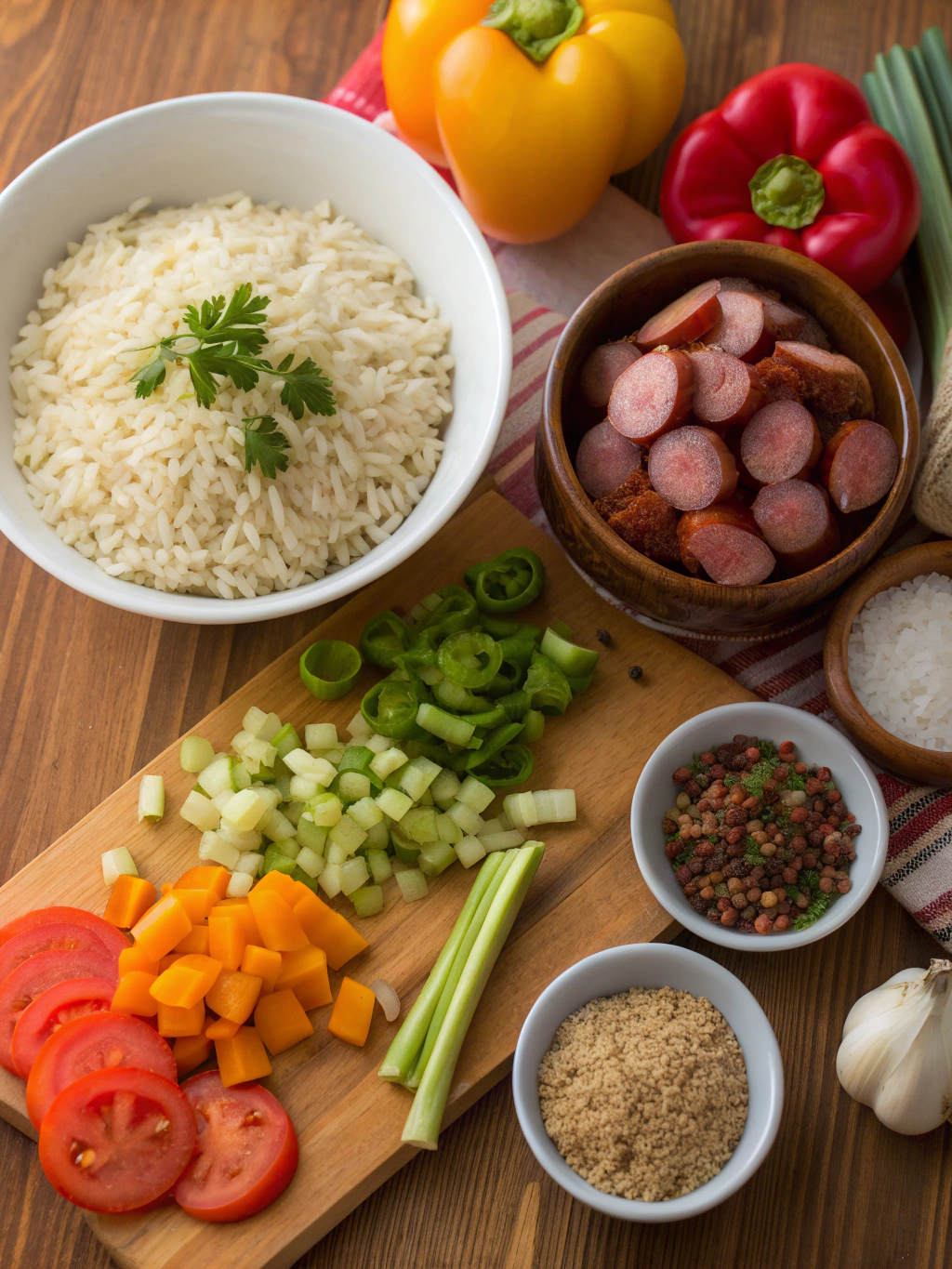
Gathering quality ingredients is the foundation of any exceptional dish. For this authentic cajun rice recipe, you’ll need ingredients that work together to create layers of smoky, spicy, and savory flavors.
- 2 cups long-grain white rice – Jasmine or basmati rice works beautifully as substitutes
- 1 pound ground pork – Ground turkey, chicken, or plant-based meat alternatives work well
- 8 ounces chicken livers – Optional but traditional; omit for a simpler version
- 1 large yellow onion, diced – Sweet onions add a milder flavor
- 1 green bell pepper, diced – Red or orange peppers add sweetness
- 2 celery stalks, diced – The holy trinity of Cajun cooking
- 4 cloves garlic, minced – Fresh garlic is essential for authentic flavor
- 3 cups chicken broth – Vegetable broth for a lighter option
- 2 tablespoons Cajun seasoning – Homemade or quality store-bought
- 1 teaspoon smoked paprika – Adds depth and smokiness
- 1/2 teaspoon cayenne pepper – Adjust to your heat preference
- 2 bay leaves – For aromatic complexity
- 3 tablespoons butter – Olive oil works as a healthier substitute
- 4 green onions, sliced – For fresh, bright garnish
- Salt and black pepper to taste
- Fresh parsley, chopped – Adds color and freshness
Timing
Understanding the time commitment helps you plan your cooking schedule effectively. This cajun rice recipe requires approximately 50 minutes from start to finish, which is remarkably efficient for a dish that tastes like it’s been simmering for hours.
Preparation Time: 15 minutes – chopping vegetables and measuring ingredients
Cooking Time: 35 minutes – browning meat, sautéing vegetables, and simmering rice
Total Time: 50 minutes – approximately 25% faster than traditional methods that require pre-cooking rice separately
This one-pot approach saves both time and cleanup, making it perfect for busy weeknights when you want maximum flavor with minimal effort.
Step-by-Step Instructions
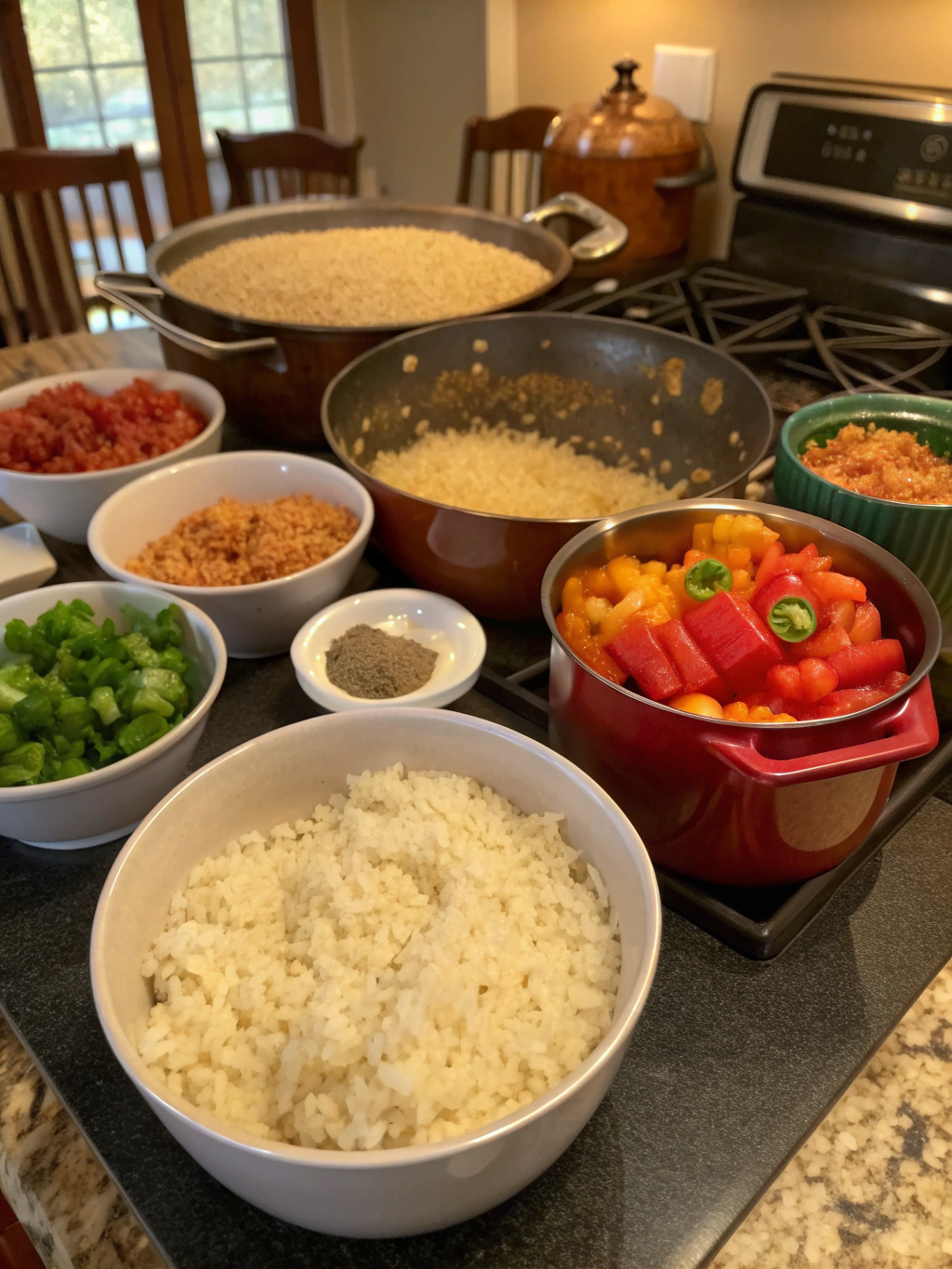
Step 1: Prepare Your Ingredients
Begin by dicing your onion, bell pepper, and celery into uniform pieces about 1/4-inch in size. Mince the garlic finely and slice the green onions, separating the white and green parts. If using chicken livers, rinse them thoroughly and pat dry with paper towels, then chop into small pieces.
Measure out your rice and spices so everything is ready when you need it. This mise en place approach ensures smooth cooking without scrambling for ingredients mid-recipe.
Step 2: Brown the Meat
Heat a large, heavy-bottomed pot or Dutch oven over medium-high heat. Add the ground pork and break it apart with a wooden spoon. Cook for 6-8 minutes until the meat is browned and no longer pink, stirring occasionally to ensure even cooking.
If using chicken livers, add them during the last 3 minutes of browning the pork. The livers should be cooked through but not rubbery. Once the meat is browned, use a slotted spoon to transfer it to a plate, leaving the rendered fat in the pot.
Step 3: Sauté the Holy Trinity
In the same pot with the meat drippings, add 2 tablespoons of butter. Once melted and bubbling, add the diced onion, bell pepper, and celery. This combination is known as the “holy trinity” in Cajun cooking and forms the flavor foundation.
Sauté for 5-7 minutes until the vegetables soften and the onions become translucent. Add the minced garlic and cook for another minute until fragrant. The aromatics should fill your kitchen with an irresistible scent.
Step 4: Toast the Rice
Add the uncooked rice to the pot with the vegetables, stirring to coat each grain with the flavorful mixture. Toast the rice for 2-3 minutes, stirring frequently. This step is crucial as it prevents the rice from becoming mushy and adds a subtle nutty flavor.
You’ll notice the rice grains becoming slightly translucent around the edges—this indicates they’re perfectly toasted and ready for liquid.
Step 5: Add Seasonings and Liquid
Sprinkle in the Cajun seasoning, smoked paprika, cayenne pepper, salt, and black pepper. Stir well to distribute the spices evenly throughout the rice. Return the browned meat to the pot and mix everything together.
Pour in the chicken broth and add the bay leaves. Increase the heat to high and bring the mixture to a vigorous boil. This initial high heat helps the flavors meld together beautifully.
Step 6: Simmer to Perfection
Once boiling, reduce the heat to low and cover the pot with a tight-fitting lid. Simmer for 20-25 minutes without lifting the lid. Resist the temptation to peek—releasing steam disrupts the cooking process and can result in unevenly cooked rice.
After 20 minutes, check if the rice is tender and the liquid has been absorbed. If needed, cook for an additional 3-5 minutes.
Step 7: Fluff and Finish
Remove the pot from heat and let it stand, covered, for 5 minutes. This resting period allows the rice to finish steaming and achieve the perfect texture. Remove the bay leaves and discard them.
Fluff the rice gently with a fork, stirring in the remaining tablespoon of butter and the sliced green onions. Taste and adjust seasonings if needed. Garnish with fresh parsley before serving.
Nutritional Information
Understanding the nutritional profile helps you make informed dietary choices. This cajun rice recipe provides a balanced meal with protein, carbohydrates, and essential nutrients.
Per Serving (based on 6 servings):
Calories: 425 | Protein: 22g | Carbohydrates: 48g | Dietary Fiber: 2g | Sugars: 3g | Fat: 15g | Saturated Fat: 6g | Cholesterol: 75mg | Sodium: 680mg | Potassium: 380mg | Vitamin A: 12% DV | Vitamin C: 35% DV | Calcium: 4% DV | Iron: 15% DV
This dish provides approximately 21% of your daily protein needs and is rich in B vitamins from the meat and vegetables. The bell peppers contribute significant vitamin C, supporting immune function, while the iron content helps with oxygen transport throughout the body.
Compared to restaurant versions, this homemade recipe contains approximately 30% less sodium and allows you to control the quality of ingredients, ensuring no artificial preservatives or excessive additives.
Healthier Alternatives for the Recipe
Adapting this recipe to meet various dietary needs doesn’t mean sacrificing flavor. Here are several modifications that maintain the authentic taste while enhancing nutritional benefits.
Lower-Fat Version: Substitute ground pork with 93% lean ground turkey or chicken breast. Use olive oil instead of butter and reduce the amount to 1 tablespoon. This modification cuts the fat content by approximately 40% while maintaining protein levels.
Whole Grain Option: Replace white rice with brown rice or wild rice blend. Increase the cooking liquid to 3.5 cups and extend simmering time to 40-45 minutes. This boosts fiber content by 300% and adds beneficial minerals.
Vegetarian Adaptation: Omit the meat entirely and add 2 cups of cooked black beans or red kidney beans. Include 8 ounces of sliced mushrooms for meaty texture and umami flavor. This creates a protein-rich vegetarian meal with added fiber.
Low-Sodium Version: Use low-sodium chicken broth and reduce Cajun seasoning to 1 tablespoon. Make your own salt-free Cajun blend using paprika, garlic powder, onion powder, oregano, thyme, and black pepper. This cuts sodium by nearly 50%.
Cauliflower Rice Alternative: For a low-carb version, replace half the rice with riced cauliflower added during the last 10 minutes of cooking. This reduces carbohydrates by 40% while adding extra vegetables and nutrients.
Serving Suggestions
Presentation and pairing elevate this dish from simple weeknight dinner to impressive meal. How to make cajun rice shine on your table involves thoughtful accompaniments and creative serving ideas.
Classic Southern Pairing: Serve alongside crispy fried chicken, collard greens, and cornbread for an authentic Louisiana feast. The rice’s bold flavors complement the richness of fried foods perfectly.
Seafood Combination: Top the rice with blackened shrimp, grilled catfish, or seared scallops. The Cajun spices in the rice harmonize beautifully with seafood’s delicate flavors, creating a restaurant-quality meal.
Bowl-Style Presentation: Create a Cajun rice bowl with sliced avocado, cherry tomatoes, shredded lettuce, and a dollop of sour cream or Greek yogurt. This fresh approach appeals to health-conscious diners.
Stuffed Pepper Filling: Use the Cajun rice as stuffing for bell peppers, topped with cheese and baked until bubbly. This creates an entirely new dish while utilizing the same flavorful base.
Breakfast Transformation: Reheat leftovers and top with a fried egg and hot sauce for a hearty breakfast that rivals any brunch spot. The runny yolk creates a luxurious sauce.
Party Platter: Serve in a large, colorful bowl garnished generously with green onions, parsley, and lemon wedges. Provide hot sauce bottles on the side so guests can customize heat levels.
Common Mistakes to Avoid
Learning from common pitfalls ensures success every time you prepare this dish. These insights come from both culinary science and practical experience.
- Lifting the lid during cooking: Each time you peek, you release steam and lower the temperature, resulting in unevenly cooked rice. Trust the process and wait until the full cooking time has elapsed.
- Using the wrong rice variety: Short-grain or sticky rice varieties create a mushy texture. Long-grain rice maintains separation and the proper consistency for this dish.
- Skipping the toasting step: Toasting rice before adding liquid creates a protective barrier around each grain, preventing mushiness and adding depth of flavor.
- Overcrowding the pot when browning meat: Too much meat in the pot steams rather than browns. Work in batches if necessary to achieve proper caramelization, which develops rich flavor.
- Not adjusting spice levels: Cajun seasoning brands vary significantly in heat. Start with less and add more gradually, tasting as you go to avoid overwhelming spiciness.
- Adding too much liquid: The rice-to-liquid ratio is critical. Excess liquid creates porridge-like consistency. Stick to the 1:1.5 ratio (rice to liquid) for perfect results.
- Stirring during simmering: Constant stirring releases starch and creates gummy rice. Stir only when adding ingredients before the simmer phase begins.
- Skipping the resting period: The 5-minute rest after cooking allows moisture to redistribute evenly, resulting in fluffy, perfectly textured rice.
Storing Tips for the Recipe
Proper storage extends the life of your Cajun rice while maintaining its delicious flavor and safe consumption. These methods ensure you can enjoy this dish throughout the week.
Refrigerator Storage: Transfer cooled rice to an airtight container within 2 hours of cooking. Properly stored, it remains fresh for 4-5 days. Divide into individual portions for convenient grab-and-go lunches.
Freezer Storage: Cajun rice freezes exceptionally well for up to 3 months. Portion into freezer-safe containers or heavy-duty freezer bags, removing as much air as possible. Label with the date and contents for easy identification.
Reheating Methods: For refrigerated rice, microwave individual portions for 2-3 minutes, adding a tablespoon of water or broth to restore moisture. Alternatively, reheat in a covered skillet over medium-low heat, stirring occasionally. Frozen rice can be thawed overnight in the refrigerator or reheated directly