
Blackened Chicken Recipe
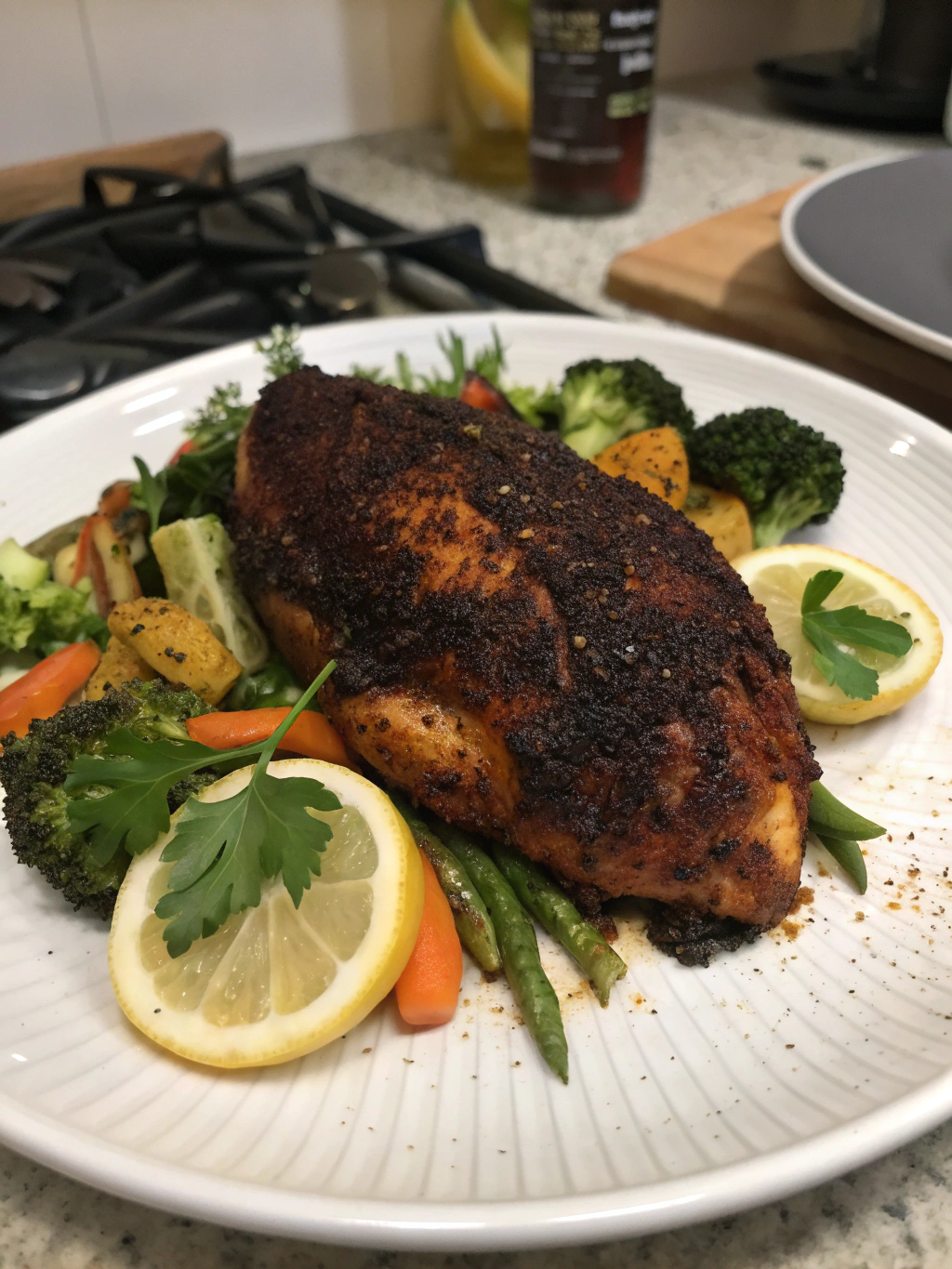
Have you ever wondered why restaurant blackened chicken tastes so much better than homemade versions? The secret isn’t just in the spices—it’s in the technique, temperature control, and timing that transforms ordinary chicken into a flavor-packed masterpiece. This comprehensive blackened chicken recipe will reveal seven professional secrets that guarantee bold, authentic Cajun flavor every single time you cook.
Blackened chicken originated in New Orleans, popularized by Chef Paul Prudhomme in the 1980s. This cooking method creates a deeply flavorful crust while keeping the meat incredibly juicy inside. The blackening technique involves coating protein in butter and spices, then cooking it in an extremely hot cast-iron skillet until a dark, caramelized crust forms.
Unlike grilled or pan-seared chicken, blackened chicken develops complex layers of flavor through the Maillard reaction. The high heat caramelizes the spice blend, creating smoky, slightly charred notes that complement the tender chicken perfectly. Whether you’re cooking for weeknight dinners or special occasions, mastering this technique will elevate your culinary repertoire significantly.
Table of Contents
Ingredients List
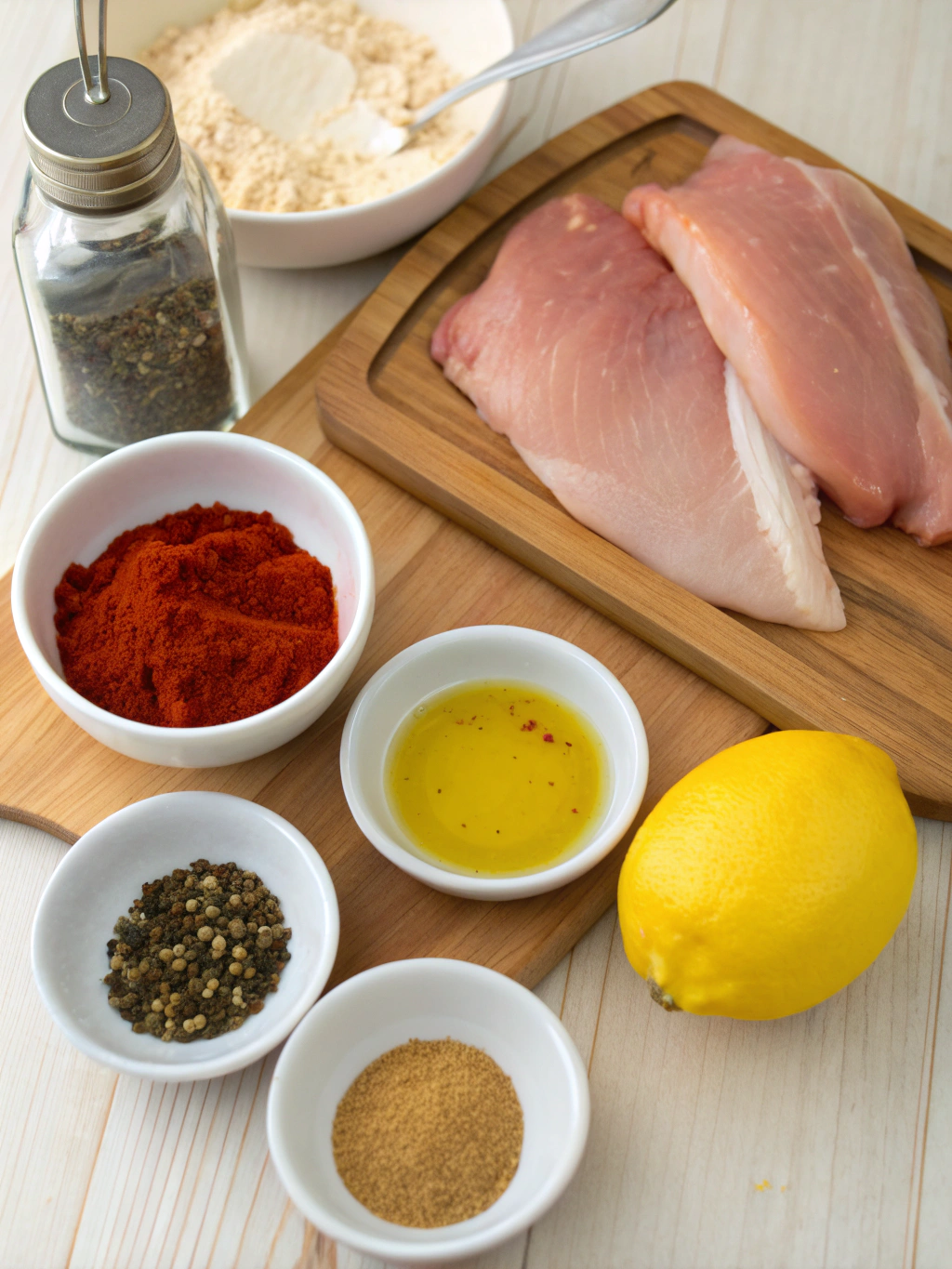
The foundation of any exceptional blackened chicken recipe starts with quality ingredients. Each component plays a crucial role in building the signature bold, spicy flavor profile that makes this dish unforgettable.
For the Blackening Spice Blend:
- 2 tablespoons paprika – Provides the base color and mild sweetness; smoked paprika adds deeper flavor
- 1 tablespoon garlic powder – Delivers savory depth; fresh garlic burns too quickly
- 1 tablespoon onion powder – Adds aromatic sweetness and complexity
- 2 teaspoons dried thyme – Contributes earthy, herbaceous notes
- 2 teaspoons dried oregano – Brings Mediterranean warmth to the Cajun blend
- 1 teaspoon cayenne pepper – Provides heat; adjust to your spice preference
- 1 teaspoon black pepper – Adds sharp, pungent kick
- 1 teaspoon white pepper – Creates layered heat with different flavor notes
- 1 teaspoon salt – Enhances all other flavors; use kosher or sea salt
- ½ teaspoon smoked paprika – Optional but recommended for authentic smokiness
For the Chicken:
- 4 boneless, skinless chicken breasts (about 6-8 oz each) – Pound to even thickness for consistent cooking
- 4 tablespoons unsalted butter, melted – Creates the essential coating; ghee works as a substitute
- 1 tablespoon olive oil – Prevents butter from burning at high temperatures
- Fresh lemon wedges – For serving; brightens the rich, spicy flavors
Substitution Suggestions:
For a healthier option, substitute chicken thighs for breasts—they remain juicier and more forgiving. Turkey cutlets work beautifully with this spice blend. If avoiding dairy, use avocado oil instead of butter, though you’ll sacrifice some richness. For a milder version, reduce cayenne to ½ teaspoon and increase paprika proportionally.
Timing
One of the advantages of this blackened chicken recipe is its efficiency. From start to finish, you’ll have restaurant-quality chicken on the table in under 30 minutes—approximately 35% faster than oven-baked alternatives.
Preparation Time: 10 minutes (includes making spice blend and preparing chicken)
Cooking Time: 12-16 minutes (depending on chicken thickness)
Total Time: 25-30 minutes
This quick cooking time makes blackened chicken perfect for busy weeknights. The spice blend can be prepared in advance and stored for up to three months, reducing future prep time to just 5 minutes. Compared to traditional marinated chicken recipes requiring hours of advance planning, this method delivers maximum flavor with minimal wait time.
Step-by-Step Instructions
Step 1: Prepare Your Workspace and Ingredients
Before you begin cooking, ensure proper ventilation. Open windows and turn on your exhaust fan—blackening creates significant smoke, which is normal and expected. This smoke contributes to the authentic flavor but can set off smoke alarms if you’re not prepared.
Gather all ingredients and tools: cast-iron skillet (essential for proper heat retention), mixing bowls, meat thermometer, tongs, and a plate lined with paper towels. Having everything within reach prevents overcooking while you search for utensils.
Step 2: Create the Perfect Spice Blend
In a small bowl, combine paprika, garlic powder, onion powder, thyme, oregano, cayenne pepper, black pepper, white pepper, salt, and smoked paprika. Mix thoroughly until completely uniform in color and texture. This ensures every bite has consistent seasoning.
The secret to professional results is freshness. Spices lose potency over time, so check expiration dates. Ideally, use spices purchased within the last six months for maximum flavor impact. Store your custom blend in an airtight container away from heat and light.
Step 3: Prepare the Chicken
Pat chicken breasts completely dry with paper towels. Moisture is the enemy of a good crust—any water on the surface will steam rather than sear, preventing that signature blackened exterior from forming properly.
If your chicken breasts are uneven in thickness, place them between plastic wrap and gently pound with a meat mallet until uniformly ¾-inch thick. This ensures even cooking and prevents dry, overcooked edges while the center reaches safe temperature.
Step 4: Coat the Chicken
Brush each chicken breast generously with melted butter on both sides. The butter serves two purposes: it helps spices adhere and creates the rich, caramelized crust during cooking. Don’t skimp—use approximately 1 tablespoon per breast.
Immediately after buttering, generously coat each piece with the spice blend. Press the spices into the meat to ensure adhesion. You want a thick, visible coating—about 1-2 teaspoons per side. The coating should look almost excessive; it will seem just right after cooking.
Step 5: Heat Your Skillet Properly
This is the most critical step that separates mediocre from exceptional results. Place your cast-iron skillet over medium-high to high heat for 5-7 minutes until extremely hot. The pan should be almost smoking—this intense heat is essential for authentic blackening.
Add olive oil to the hot skillet and swirl to coat. The oil should shimmer immediately. If it smokes excessively, reduce heat slightly. You want high heat, but not so high that the spices burn instantly before the chicken cooks through.
Step 6: Cook the Chicken to Perfection
Carefully place chicken breasts in the hot skillet, leaving space between each piece. Don’t overcrowd—cook in batches if necessary. You should hear an immediate, aggressive sizzle. If you don’t, your pan isn’t hot enough.
Cook without moving for 5-7 minutes. Resist the urge to peek or flip early—the crust needs uninterrupted contact to develop properly. You’ll know it’s ready to flip when the edges turn opaque about halfway up the sides.
Flip carefully using tongs and cook the second side for 5-6 minutes. The chicken is done when the internal temperature reaches 165°F at the thickest part. Use an instant-read thermometer for accuracy—guessing leads to dry, overcooked chicken.
Step 7: Rest and Serve
Transfer cooked chicken to a clean plate and let rest for 5 minutes. This resting period allows juices to redistribute throughout the meat, ensuring every bite is moist and flavorful. Cutting immediately causes those precious juices to run out onto the plate.
Squeeze fresh lemon juice over the top just before serving. The bright acidity cuts through the rich, spicy coating and enhances all the complex flavors you’ve worked to develop. Serve immediately while the crust is still crisp.
Nutritional Information
Understanding the nutritional profile helps you incorporate this blackened chicken recipe into a balanced diet. Per serving (one 6-oz chicken breast with spice coating), you’ll find approximately:
Calories: 285 calories
Protein: 42g (84% of daily value based on 2,000-calorie diet)
Fat: 11g (primarily from butter and olive oil)
Saturated Fat: 5g
Carbohydrates: 3g
Fiber: 1g
Sugar: 0.5g
Sodium: 680mg (adjust by reducing added salt if needed)
Cholesterol: 125mg
This recipe provides excellent protein content while remaining relatively low in calories and carbohydrates. The spice blend contributes minimal calories but delivers significant antioxidants from paprika, cayenne, and herbs. Chicken breast is naturally low in fat, making this a lean protein option suitable for various dietary approaches.
The sodium content can be adjusted by reducing or eliminating added salt, relying instead on the natural flavors of the spices. For those monitoring cholesterol, the butter can be replaced with plant-based alternatives without significantly affecting the final result.
Healthier Alternatives for the Recipe
While this recipe is already relatively healthy, several modifications can enhance its nutritional profile without sacrificing flavor. These adaptations accommodate various dietary preferences and health goals.
Reduce Fat Content: Replace melted butter with a light brushing of avocado oil or cooking spray. While you’ll lose some richness, the spice blend still delivers bold flavor. This modification reduces calories by approximately 70 per serving and eliminates saturated fat.
Lower Sodium Version: Eliminate salt from the spice blend and reduce by half in the recipe. Compensate with additional lemon juice and a pinch of nutritional yeast for savory depth. This cuts sodium content by more than 50% while maintaining satisfying flavor.
Increase Fiber: Serve blackened chicken over cauliflower rice, quinoa, or a bed of mixed greens. This transforms the dish into a complete, fiber-rich meal that promotes satiety and digestive health without adding significant calories.
Anti-Inflammatory Boost: Add 1 teaspoon of turmeric to the spice blend. Turmeric contains curcumin, a powerful anti-inflammatory compound. The addition won’t noticeably alter the flavor but provides significant health benefits.
Protein Variations: Substitute with salmon, firm tofu, or portobello mushrooms for different nutritional profiles. Salmon adds omega-3 fatty acids, tofu reduces cholesterol to zero, and mushrooms provide a low-calorie, plant-based option rich in B vitamins.
Serving Suggestions
The versatility of blackened chicken makes it suitable for countless meal combinations. These creative serving suggestions transform this simple protein into complete, satisfying meals that appeal to various tastes and occasions.
Classic Cajun Plate: Serve alongside dirty rice, collard greens, and cornbread for an authentic Louisiana-inspired feast. The combination honors the dish’s New Orleans heritage while providing a balanced, complete meal with complementary flavors and textures.
Fresh and Light: Slice blackened chicken over a crisp Caesar salad or mixed greens with avocado, cherry tomatoes, and a tangy vinaigrette. This approach keeps the meal light and refreshing while the spicy chicken provides satisfying protein and bold flavor contrast.
Tex-Mex Fusion: Dice the chicken and use it for tacos, burrito bowls, or quesadillas. Top with fresh pico de gallo, sour cream, and cilantro. The blackening spices complement Mexican flavors beautifully, creating exciting fusion cuisine with minimal effort.
Pasta Perfection: Slice and toss with fettuccine in a light cream sauce with sun-dried tomatoes and spinach. The spicy chicken adds dimension to pasta dishes, transforming simple preparations into restaurant-quality meals that impress dinner guests.
Sandwich Upgrade: Layer on ciabatta bread with lettuce, tomato, red onion, and remoulade sauce for an elevated chicken sandwich. The crispy, flavorful crust makes ordinary sandwiches extraordinary, perfect for lunches or casual dinners.
Meal Prep Bowl: Combine with roasted vegetables, brown rice, and a drizzle of tahini sauce for healthy, grab-and-go lunches. This approach maximizes the recipe’s convenience factor while ensuring nutritious meals throughout the week.
Common Mistakes to Avoid
Even experienced cooks can struggle with blackened chicken if they’re unfamiliar with the technique’s specific requirements. Avoiding these common pitfalls ensures success every time you prepare this bold, flavorful dish.
- Using Insufficient Heat: The most frequent mistake is cooking at too low a temperature. Blackening requires intense heat to create the signature crust without overcooking the interior. If your pan isn’t hot enough, you’ll get steamed, soggy chicken instead of a crispy, caramelized exterior. Always preheat your skillet for at least 5-7 minutes.
- Skipping the Cast-Iron Skillet: Non-stick pans cannot withstand the high temperatures required for authentic blackening and don’t retain heat properly. Cast iron is essential—it maintains consistent temperature even when cold chicken is added, ensuring proper