
Best Cottage Cheese Snacks: Healthy & Easy Ideas
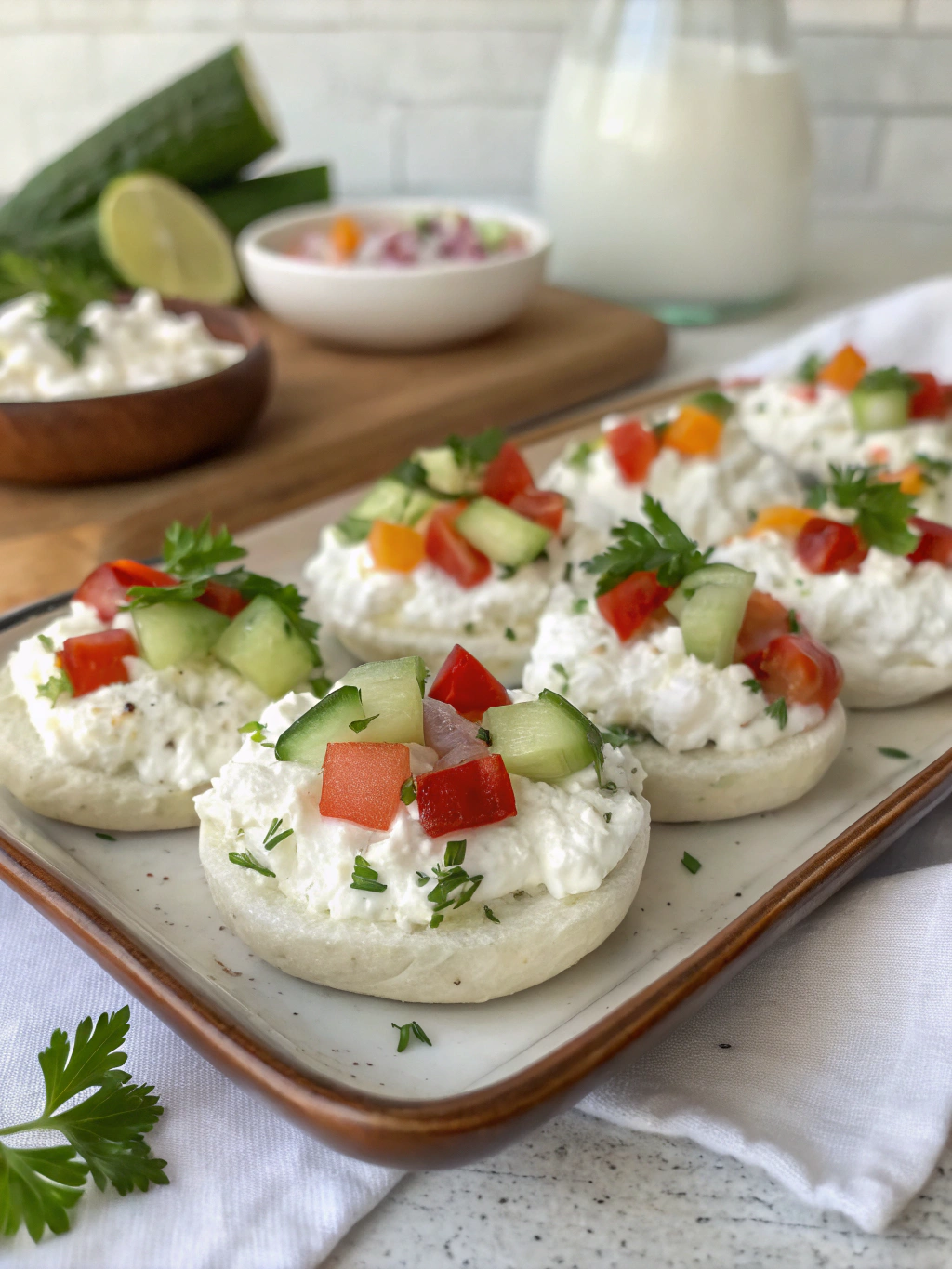
Are you tired of the same boring snacks and looking for something nutritious that actually tastes amazing? If you’ve been wondering how to transform simple cottage cheese into delicious, protein-packed treats, you’re in the right place. Cottage cheese snacks are taking the health food world by storm, offering incredible versatility and nutrition in every bite. Whether you’re meal prepping for the week or need a quick energy boost, these creative cottage cheese combinations will revolutionize your snacking routine.
Cottage cheese has evolved from a bland diet food to a trendy superfood that fitness enthusiasts and food lovers alike can’t get enough of. With its high protein content, creamy texture, and mild flavor profile, it serves as the perfect canvas for both sweet and savory creations. These snack ideas are designed to keep you satisfied, energized, and excited about healthy eating.
Table of Contents
Ingredients List

The beauty of cottage cheese snacks lies in their simplicity and adaptability. Here’s what you’ll need to create a variety of delicious options throughout the week:
- 2 cups cottage cheese (full-fat, low-fat, or non-fat) – Choose based on your dietary preferences; full-fat offers the creamiest texture
- 1 cup fresh berries (strawberries, blueberries, or raspberries) – Frozen berries work perfectly when fresh aren’t available
- 2 tablespoons honey or maple syrup – Agave nectar or stevia for sugar-free alternatives
- 1/4 cup chopped nuts (almonds, walnuts, or pecans) – Seeds like pumpkin or sunflower for nut-free options
- 1 teaspoon vanilla extract – Almond or coconut extract for variation
- 2 tablespoons chia seeds or flaxseeds – Adds omega-3s and fiber
- 1 cucumber, sliced – For savory options; bell peppers work wonderfully too
- Fresh herbs (dill, chives, or basil) – Dried herbs in a pinch, use half the amount
- 1/4 teaspoon sea salt and black pepper – Essential for savory combinations
- 1/2 cup granola – Choose low-sugar varieties or make your own
- 2 tablespoons dark chocolate chips – For an indulgent touch; cacao nibs for less sugar
- 1 avocado – Adds healthy fats and creamy texture
Timing
One of the greatest advantages of cottage cheese snacks is their incredible convenience. Most combinations take mere minutes to assemble, making them perfect for busy lifestyles.
Preparation Time: 5-10 minutes per snack variation
Assembly Time: 2-3 minutes
Total Time: 7-13 minutes maximum
This represents approximately 75% less time than traditional snack preparation methods that involve cooking or baking. For meal prep enthusiasts, you can prepare multiple servings in under 30 minutes, giving you grab-and-go options for an entire week. The time efficiency makes these snacks ideal for post-workout refueling or afternoon energy slumps when you need nutrition fast.
Step-by-Step Instructions
Step 1: Select Your Base and Prepare Your Cottage Cheese
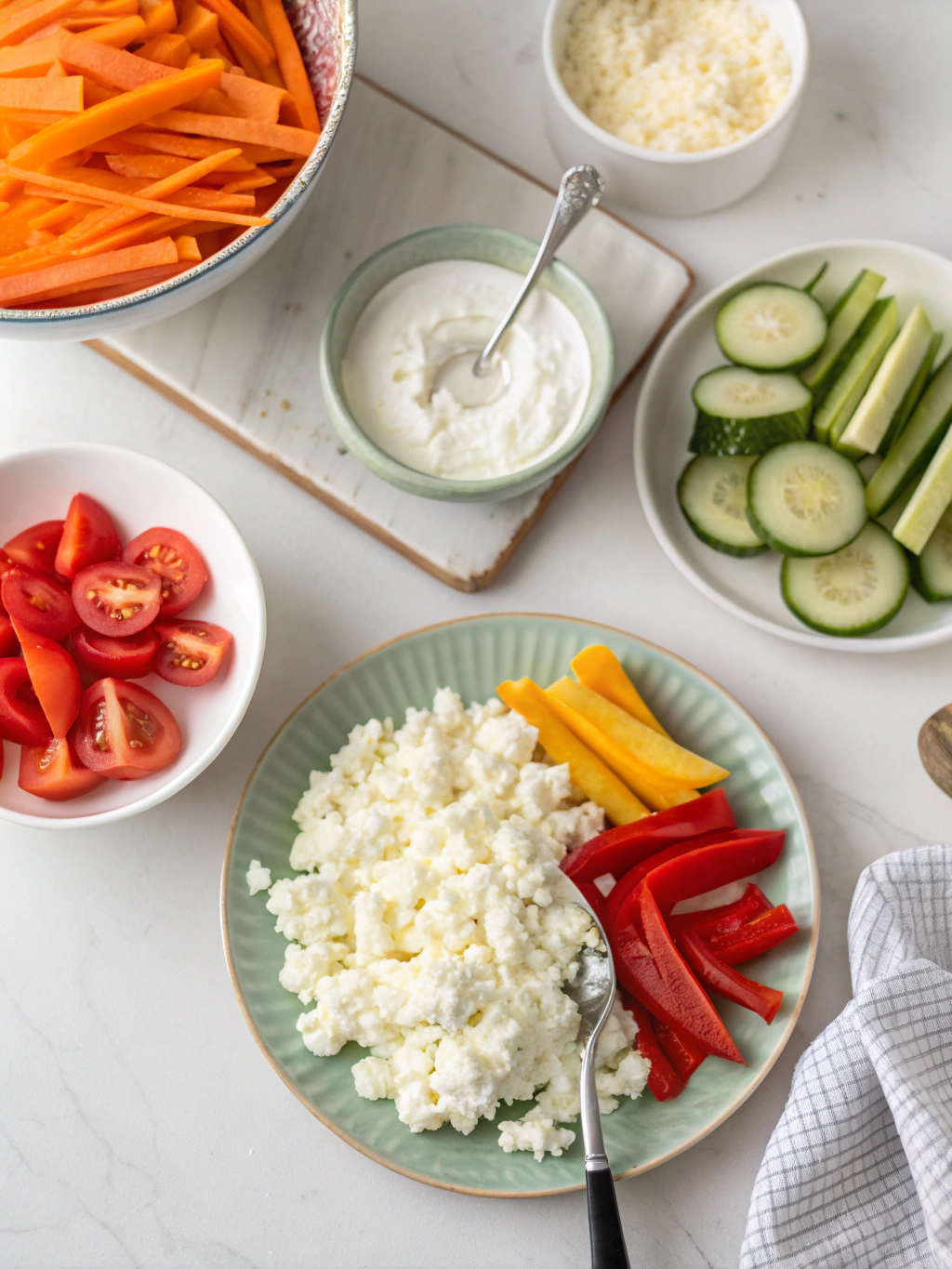
Start by choosing your preferred cottage cheese consistency. If you enjoy a smoother texture, blend the cottage cheese for 30-60 seconds until creamy. For those who appreciate the traditional curds, use it straight from the container. Measure out 1/2 to 3/4 cup portions into individual serving bowls or meal prep containers. This base serves as your blank canvas for endless flavor combinations.
Step 2: Create Sweet Cottage Cheese Snack Bowls
For a berry bliss bowl, top your cottage cheese with 1/4 cup mixed berries, a drizzle of honey, and a sprinkle of chia seeds. The antioxidants from berries combined with protein create a perfectly balanced snack. Alternatively, create a chocolate peanut butter bowl by stirring in 1 tablespoon natural peanut butter and topping with dark chocolate chips and sliced banana. The combination satisfies sweet cravings while delivering sustained energy.
Step 3: Craft Savory Cottage Cheese Combinations
Transform cottage cheese into a savory delight by mixing in fresh herbs, a pinch of sea salt, and cracked black pepper. Serve alongside cucumber slices, cherry tomatoes, or bell pepper strips for dipping. Another option is creating an everything bagel-inspired version by topping with everything bagel seasoning and serving with whole grain crackers. These savory options prove that what to eat with cottage cheese extends far beyond traditional sweet pairings.
Step 4: Build Protein-Packed Parfaits
Layer cottage cheese with granola and fresh fruit in a clear glass or jar for an Instagram-worthy presentation. Start with cottage cheese at the bottom, add a layer of berries, sprinkle granola, and repeat. Finish with a drizzle of honey and a few whole berries on top. This layered approach not only looks appealing but also provides textural variety in every spoonful.
Step 5: Make Cottage Cheese Toast Toppers
Spread cottage cheese generously on whole grain toast as a protein-rich alternative to butter or cream cheese. Top with smashed avocado, cherry tomatoes, and a sprinkle of red pepper flakes for a savory breakfast or snack. For a sweet version, spread cottage cheese on toast and top with sliced strawberries, a drizzle of balsamic glaze, and fresh basil. This unexpected combination delivers sophisticated flavors with minimal effort.
Step 6: Prepare Cottage Cheese Dip Variations
Blend cottage cheese until smooth and season with your favorite herbs and spices to create a high-protein dip. Mix in ranch seasoning, garlic powder, and fresh dill for a veggie dip that rivals any store-bought version. Alternatively, blend with roasted red peppers and basil for a protein-packed hummus alternative. Serve with raw vegetables, whole grain crackers, or pita chips for a satisfying snack that keeps hunger at bay for hours.
Nutritional Information
Cottage cheese stands out as a nutritional powerhouse among snack options. A typical 1/2 cup serving of low-fat cottage cheese provides approximately 90-110 calories, 12-14 grams of protein, 3-5 grams of carbohydrates, and 2-3 grams of fat. This impressive protein-to-calorie ratio makes it exceptional for muscle recovery, weight management, and sustained energy.
The protein in cottage cheese is primarily casein, a slow-digesting protein that provides a steady release of amino acids into your bloodstream. This makes cottage cheese snacks particularly beneficial before bedtime or between meals when you need lasting satiety. Studies suggest that high-protein snacks can increase feelings of fullness by up to 30% compared to carbohydrate-heavy alternatives.
Beyond protein, cottage cheese delivers significant amounts of calcium (approximately 8-10% of daily value per serving), phosphorus, selenium, and B vitamins, particularly B12. When you add berries, you’re incorporating powerful antioxidants and fiber. Nuts contribute healthy fats and additional protein, while seeds provide omega-3 fatty acids. A complete cottage cheese snack bowl can deliver 15-20 grams of protein, 5-8 grams of fiber, and essential micronutrients for under 250 calories.
Healthier Alternatives for the Recipe
While cottage cheese is already nutritious, you can optimize these snacks further based on specific health goals. For those watching sodium intake, select low-sodium or no-salt-added cottage cheese varieties, which can reduce sodium content by up to 70%. Many brands now offer options with less than 300mg sodium per serving compared to standard versions containing 400-500mg.
If you’re following a dairy-free lifestyle, several plant-based cottage cheese alternatives made from almonds, cashews, or tofu have emerged on the market. These provide similar protein levels and creamy texture without dairy. You can also make your own by blending firm tofu with lemon juice, nutritional yeast, and a touch of salt until it reaches a cottage cheese-like consistency.
For reduced sugar intake, skip honey and maple syrup in favor of fresh fruit alone, which provides natural sweetness along with fiber that slows sugar absorption. Cinnamon, vanilla extract, or a pinch of stevia can enhance sweetness perception without adding calories. When choosing granola or chocolate chips, opt for varieties with less than 5 grams of added sugar per serving to keep the overall snack balanced.
To boost the nutritional profile even further, incorporate superfoods like hemp seeds, goji berries, or cacao nibs. These additions provide extra antioxidants, minerals, and healthy fats without significantly increasing calories. Spirulina powder or matcha can be stirred into sweet versions for an energizing, nutrient-dense boost.
Serving Suggestions
The versatility of cottage cheese snacks makes them appropriate for virtually any eating occasion. Serve them as a post-workout recovery snack within 30 minutes of exercise to maximize muscle protein synthesis. The quick-digesting whey protein combined with slower casein provides both immediate and sustained amino acid delivery to recovering muscles.
For breakfast, cottage cheese bowls topped with fruit and granola offer a refreshing alternative to yogurt parfaits with superior protein content. Pair with a piece of whole grain toast and coffee for a complete morning meal that will keep you satisfied until lunch. The high protein content helps stabilize blood sugar levels, preventing the mid-morning energy crash common with carbohydrate-heavy breakfasts.
As an afternoon snack, savory cottage cheese with vegetables provides the perfect pick-me-up between lunch and dinner. The protein helps curb cravings and prevents overeating at dinner time. Research indicates that consuming protein-rich snacks in the afternoon can reduce evening calorie intake by up to 15% compared to carbohydrate-based snacks.
For entertaining, create a cottage cheese snack board with multiple topping options arranged beautifully. Provide both sweet and savory choices so guests can customize their bowls. Include fresh fruits, dried fruits, various nuts and seeds, honey, granola, vegetables, herbs, and specialty seasonings. This interactive approach makes healthy eating fun and social.
Before bedtime, a small bowl of cottage cheese with a sprinkle of cinnamon can support overnight muscle recovery and help maintain stable blood sugar levels throughout the night. The slow-digesting casein protein provides amino acids for up to 7 hours, making it a favorite among athletes and fitness enthusiasts.
Common Mistakes to Avoid
- Choosing the wrong cottage cheese texture: Large curd cottage cheese has a different mouthfeel than small curd varieties. If texture is off-putting, try blending it smooth or selecting a whipped variety that’s naturally creamier.
- Adding too many high-calorie toppings: While nuts, seeds, and granola are nutritious, they’re calorie-dense. Stick to 1-2 tablespoons of these additions to keep your snack in the 200-300 calorie range rather than inadvertently creating a 500+ calorie mini-meal.
- Not considering sodium content: Some cottage cheese brands contain surprisingly high sodium levels. Always check labels and opt for lower-sodium versions if you’re sensitive to salt or managing blood pressure.
- Forgetting to taste before adding sweeteners: Depending on your fruit choices, you may not need additional honey or syrup. Ripe berries and bananas often provide sufficient sweetness on their own.
- Preparing too far in advance: While cottage cheese keeps well, some toppings like granola become soggy when stored together. Add crunchy elements just before eating for optimal texture.
- Overlooking temperature preferences: Some people prefer cottage cheese cold, while others enjoy it at room temperature. Experiment to find your preference, as temperature affects perceived texture and flavor.
- Using expired or improperly stored cottage cheese: Always check expiration dates and store cottage cheese in the coldest part of your refrigerator. Spoiled cottage cheese develops an off smell and sour taste that ruins any snack.
Storing Tips for the Recipe
Proper storage ensures your cottage cheese snacks remain fresh, safe, and delicious. Unopened cottage cheese typically lasts 1-2 weeks past the sell-by date when refrigerated at 40°F or below. Once opened, consume within 5-7 days for best quality and food safety. Always use clean utensils when scooping cottage cheese to prevent bacterial contamination that shortens shelf life.
For meal prep, portion cottage cheese into individual airtight containers and store plain in the refrigerator. Keep toppings separate in small containers or compartmentalized meal prep boxes. This prevents soggy granola and maintains the crispness of fresh vegetables. Most fresh fruit toppings stay fresh for 3-4 days when stored separately, while nuts and seeds remain crunchy for up to a week.
If you’ve blended cottage cheese smooth, store it in an airtight container with plastic wrap pressed directly against the surface to minimize air exposure and prevent a skin from forming. Blended cottage cheese maintains its texture for 3-4 days in the refrigerator. Give it a quick stir before using if any separation occurs.
Cottage cheese can be frozen, though the texture changes significantly upon thawing, becoming grainy and separated. If you choose to freeze it, use it within 3 months and plan to blend it smooth after thawing for use in smoothies or baked goods rather than eating it plain. Freezing works best for cottage cheese you plan to cook with rather than eat fresh.
Pre-washed and cut vegetables for savory cottage cheese snacks stay fresh for 3-5 days when stored in airtight containers lined with paper towels to absorb excess moisture. Fresh herbs maintain their flavor best when stored with stems in water, covered loosely with a plastic bag in the refrigerator.
Conclusion
Cottage cheese snacks represent the perfect intersection of nutrition, convenience, and flavor. With endless sweet and savory combinations, you’ll never get bored of this protein-packed superfood. From berry-topped breakfast bowls to savory herb-infused dips, cottage cheese adapts beautifully to your taste preferences and dietary needs.</p