
Baba au Rum Cake Recipe
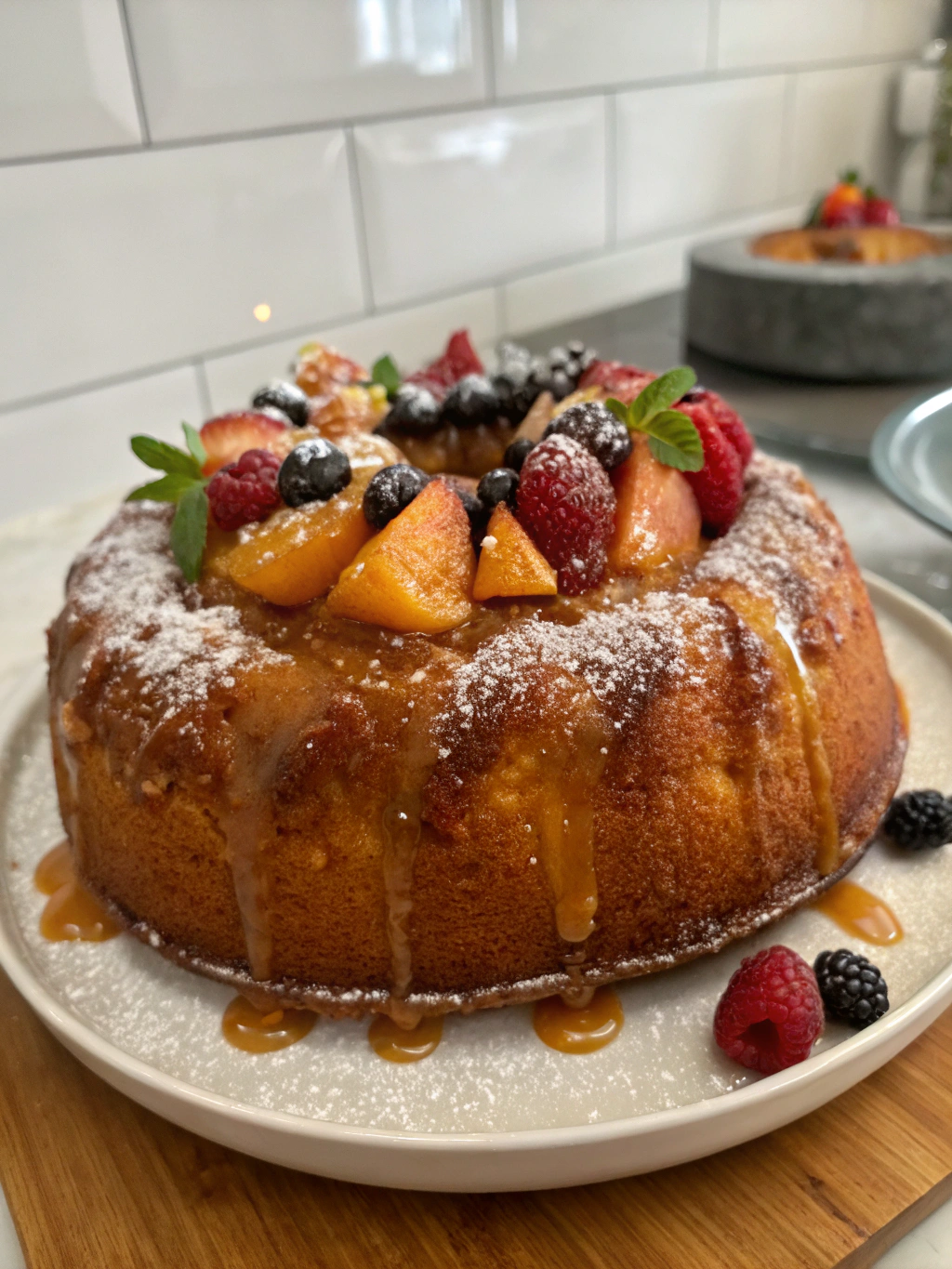
Have you ever wondered why a dessert soaked in rum syrup could be considered one of France’s most elegant pastries? The secret lies in the delicate balance of light, airy dough and rich, aromatic spirits. This baba au rum cake recipe transforms simple ingredients into a sophisticated dessert that has graced tables from Parisian patisseries to home kitchens worldwide. Whether you’re celebrating a special occasion or simply craving something extraordinary, this classic French treat delivers an unforgettable experience with every bite.
The baba au rum is more than just a cake—it’s a culinary journey that dates back to the 18th century. King Stanisław Leszczyński of Poland is credited with creating this masterpiece by soaking a dry kugelhopf in rum. Today, this dessert remains a testament to how traditional techniques can create timeless flavors that continue to captivate dessert lovers across generations.
Table of Contents
Ingredients List
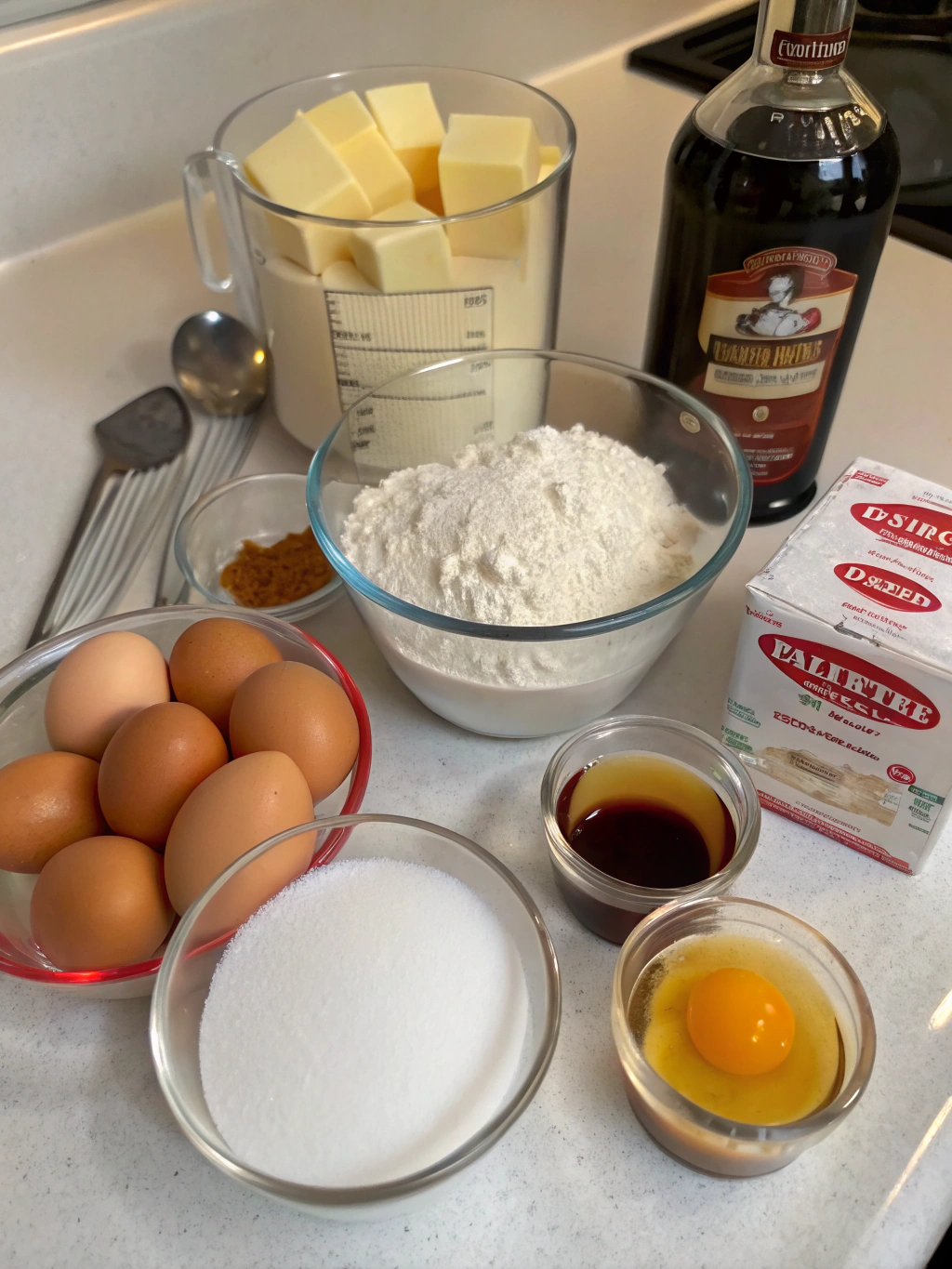
Gathering the right ingredients is crucial for achieving the perfect texture and flavor in your baba au rum. Each component plays a specific role in creating that signature light, spongy cake that absorbs the rum syrup beautifully.
For the Baba Dough:
- 2 cups (250g) all-purpose flour – The foundation of your cake; bread flour can be substituted for a chewier texture
- 2 teaspoons (7g) active dry yeast – Creates the airy, light crumb characteristic of authentic baba
- 3 tablespoons (38g) granulated sugar – Adds subtle sweetness to balance the rum syrup
- 1/2 teaspoon salt – Enhances all the flavors in the dough
- 4 large eggs, room temperature – Provides structure and richness; ensure they’re at room temperature for better incorporation
- 1/3 cup (80ml) whole milk, warmed – Activates the yeast and creates a tender crumb
- 1/2 cup (113g) unsalted butter, softened – Adds richness and helps create a moist texture
- 1 teaspoon vanilla extract – Complements the rum flavors beautifully
For the Rum Syrup:
- 1 1/2 cups (300g) granulated sugar – Creates the sweet base for the syrup
- 2 cups (480ml) water – Dilutes the syrup to the perfect consistency
- 3/4 cup (180ml) dark rum – The star ingredient; choose a quality rum for best results, or substitute with bourbon for variation
- 1 vanilla bean, split – Adds aromatic depth; vanilla extract can substitute in a pinch
- Zest of 1 orange – Provides citrus notes that brighten the overall flavor profile
For Garnish:
- 1 cup (240ml) heavy whipping cream – Whipped to soft peaks for serving
- Fresh berries – Raspberries, strawberries, or blueberries add color and freshness
- Powdered sugar – For a delicate finishing touch
- Candied orange peel – Optional, but adds professional flair
Timing
Planning your baking schedule is essential for this baba au rum cake recipe. The process requires patience, but the results are absolutely worth the investment of time.
Preparation Time: 30 minutes for mixing and preparing ingredients, plus 1.5 hours for dough rising. This rising time is approximately 15% longer than standard yeast cakes, which ensures the characteristic light, airy texture.
Cooking Time: 25-30 minutes for baking the babas to golden perfection.
Soaking and Cooling Time: 45 minutes to allow the cakes to absorb the rum syrup fully and cool to serving temperature.
Total Time: Approximately 3 hours and 15 minutes from start to finish. While this may seem lengthy, much of this time is hands-off, allowing you to prepare other meal components or simply relax.
Step-by-Step Instructions
Step 1: Activate the Yeast
In a small bowl, combine the warmed milk (between 105-110°F) with 1 tablespoon of the sugar and all the yeast. Stir gently and let stand for 5-10 minutes until the mixture becomes foamy and fragrant. This foam indicates that your yeast is alive and ready to work its magic. If no foam appears, your yeast may be expired—start fresh to ensure success.
Step 2: Prepare the Dough
In a large mixing bowl or stand mixer fitted with a dough hook, combine the flour, remaining sugar, and salt. Create a well in the center and add the activated yeast mixture, eggs, and vanilla extract. Mix on low speed for 2 minutes until ingredients are just combined. The mixture will appear shaggy at this stage, which is perfectly normal.
Step 3: Incorporate the Butter
Increase mixer speed to medium and add the softened butter one tablespoon at a time, allowing each addition to incorporate fully before adding more. This process takes about 8-10 minutes and transforms the dough from sticky to smooth and elastic. The dough should pull away from the bowl sides while remaining slightly tacky to the touch. This extended mixing develops the gluten structure necessary for the cake’s unique texture.
Step 4: First Rise
Transfer the dough to a lightly greased bowl, turning once to coat all sides. Cover with plastic wrap or a damp kitchen towel and place in a warm, draft-free location. Let rise for 1 to 1.5 hours, or until doubled in size. A warm oven (turned off, with just the light on) creates an ideal environment for rising.
Step 5: Shape and Fill the Molds
Generously butter 8-10 individual baba molds or a muffin tin. Punch down the risen dough to release air bubbles, then divide it evenly among the prepared molds, filling each about one-third full. The dough will rise significantly during the second proof and baking, so resist the temptation to overfill.
Step 6: Second Rise
Cover the filled molds loosely with plastic wrap and let rise for 30-45 minutes until the dough reaches just below the rim of each mold. Meanwhile, preheat your oven to 375°F (190°C). This second rise ensures a light, airy final product.
Step 7: Bake to Perfection
Bake the babas for 25-30 minutes until they’re deeply golden brown on top and a toothpick inserted into the center comes out clean. The internal temperature should reach 190°F. The tops should feel firm to the touch and spring back when lightly pressed. Let cool in the molds for 5 minutes before turning out onto a wire rack.
Step 8: Prepare the Rum Syrup
While the babas bake, prepare your syrup. In a medium saucepan, combine the sugar, water, vanilla bean (scraped seeds and pod), and orange zest. Bring to a boil over medium-high heat, stirring until the sugar dissolves completely. Reduce heat and simmer for 5 minutes to allow the flavors to infuse. Remove from heat, discard the vanilla pod, and stir in the rum. The syrup should be warm but not boiling when you use it.
Step 9: Soak the Babas
This is the most crucial step in any baba au rum cake recipe. Place the warm babas in a deep dish and pour the warm rum syrup over them, ensuring they’re completely submerged. Let them soak for 10-15 minutes, turning occasionally to ensure even absorption. The cakes should nearly double in size and become glossy and saturated. They’ll transform from light and airy to luxuriously moist and flavorful.
Step 10: Final Presentation
Carefully transfer the soaked babas to serving plates using a slotted spoon, allowing excess syrup to drain. Spoon additional syrup over each cake if desired. Top with freshly whipped cream, scatter fresh berries around the plate, and dust lightly with powdered sugar. Garnish with candied orange peel for an elegant finishing touch.
Nutritional Information
Understanding the nutritional profile of your dessert helps you make informed choices about portion sizes and dietary considerations. Each serving of this traditional baba au rum cake recipe (based on 10 servings) contains approximately the following:
Calories: 385 per serving. This represents about 19% of a standard 2,000-calorie daily diet, making it a moderate indulgence when enjoyed mindfully.
Total Fat: 14g (18% DV), with 8g of saturated fat primarily from butter and cream. The fat content contributes to the rich, satisfying texture that makes this dessert so memorable.
Cholesterol: 105mg (35% DV), mainly from eggs and butter.
Sodium: 145mg (6% DV), relatively low for a baked dessert.
Total Carbohydrates: 52g (19% DV), including 35g of sugars from the syrup and dough. The carbohydrates provide quick energy and that characteristic sweetness.
Protein: 5g per serving, contributed by eggs and flour, which helps with satiety.
Key Vitamins and Minerals: Each serving provides small amounts of calcium (4% DV), iron (8% DV), and vitamin A (6% DV). The eggs contribute B vitamins, particularly riboflavin and B12.
The alcohol content varies depending on soaking time, but approximately 25-40% of the alcohol evaporates during the soaking process, leaving behind the rum’s complex flavor notes while reducing the actual alcohol consumed.
Healthier Alternatives for the Recipe
While baba au rum is traditionally an indulgent dessert, several modifications can make it more aligned with various dietary preferences without sacrificing the essential character of this classic treat.
Reduce Sugar Content: Cut the sugar in the syrup by one-third and compensate with a natural sweetener like stevia or monk fruit. This modification can reduce calories by approximately 60 per serving while maintaining sweetness. The rum’s natural complexity helps mask any reduction in sugar.
Whole Grain Option: Replace up to half the all-purpose flour with whole wheat pastry flour or white whole wheat flour. This increases fiber content to about 2g per serving and adds nutrients like magnesium and selenium. The texture will be slightly denser but still delicious.
Lighter Fat Content: Substitute half the butter with Greek yogurt or unsweetened applesauce. This reduces saturated fat by approximately 40% while maintaining moisture. The yogurt also adds a subtle tang that complements the rum beautifully.
Alcohol-Free Version: For a family-friendly alternative, replace the rum with rum extract (use 2-3 tablespoons) combined with additional orange juice or apple juice. This creates a similar flavor profile without alcohol, making it suitable for all ages.
Portion Control: Use mini muffin tins to create bite-sized babas that contain about half the calories of standard servings. These smaller portions allow you to enjoy the treat without overindulging, and they’re perfect for parties where guests want to sample multiple desserts.
Dairy-Free Adaptation: Use plant-based butter and coconut cream for whipping. Almond or oat milk works well in the dough. These substitutions make the recipe accessible to those with lactose intolerance or following vegan diets, though the texture may vary slightly.
Serving Suggestions
The versatility of baba au rum makes it suitable for various occasions, from casual family dinners to elegant dinner parties. Presentation can elevate this already impressive dessert to new heights.
Classic French Style: Serve individual babas on white porcelain plates with a generous dollop of Chantilly cream (sweetened whipped cream with vanilla) and fresh raspberries. Drizzle any remaining rum syrup around the plate for an elegant pool of flavor. This presentation honors the dessert’s French heritage.
Tropical Twist: Top with coconut whipped cream, fresh mango slices, and toasted coconut flakes. The tropical flavors complement the rum beautifully and create a vacation-like experience. A sprig of fresh mint adds color and aromatic appeal.
Chocolate Indulgence: Serve with chocolate ganache drizzled over the top and chocolate shavings. The combination of rum-soaked cake and rich chocolate creates a decadent dessert that chocolate lovers will adore. Add a scoop of vanilla bean ice cream for ultimate indulgence.
Seasonal Variations: In autumn, serve with spiced whipped cream (add cinnamon and nutmeg) and caramelized apples. During summer, fresh stone fruits like peaches or nectarines provide a light, refreshing contrast to the rich cake.
Coffee Pairing: Baba au rum pairs exceptionally well with strong espresso or French press coffee. The bitter notes of coffee balance the sweetness of the syrup, creating a harmonious flavor experience. Consider serving as part of an afternoon coffee service.
Wine Pairing: For an sophisticated adult gathering, pair with a sweet dessert wine like Sauternes, late-harvest Riesling, or even a quality aged rum served neat. The complementary flavors enhance both the dessert and the beverage.
Common Mistakes to Avoid
Even experienced bakers can encounter challenges when making baba au rum. Awareness of these