
Best Beef Flat Iron Recipes
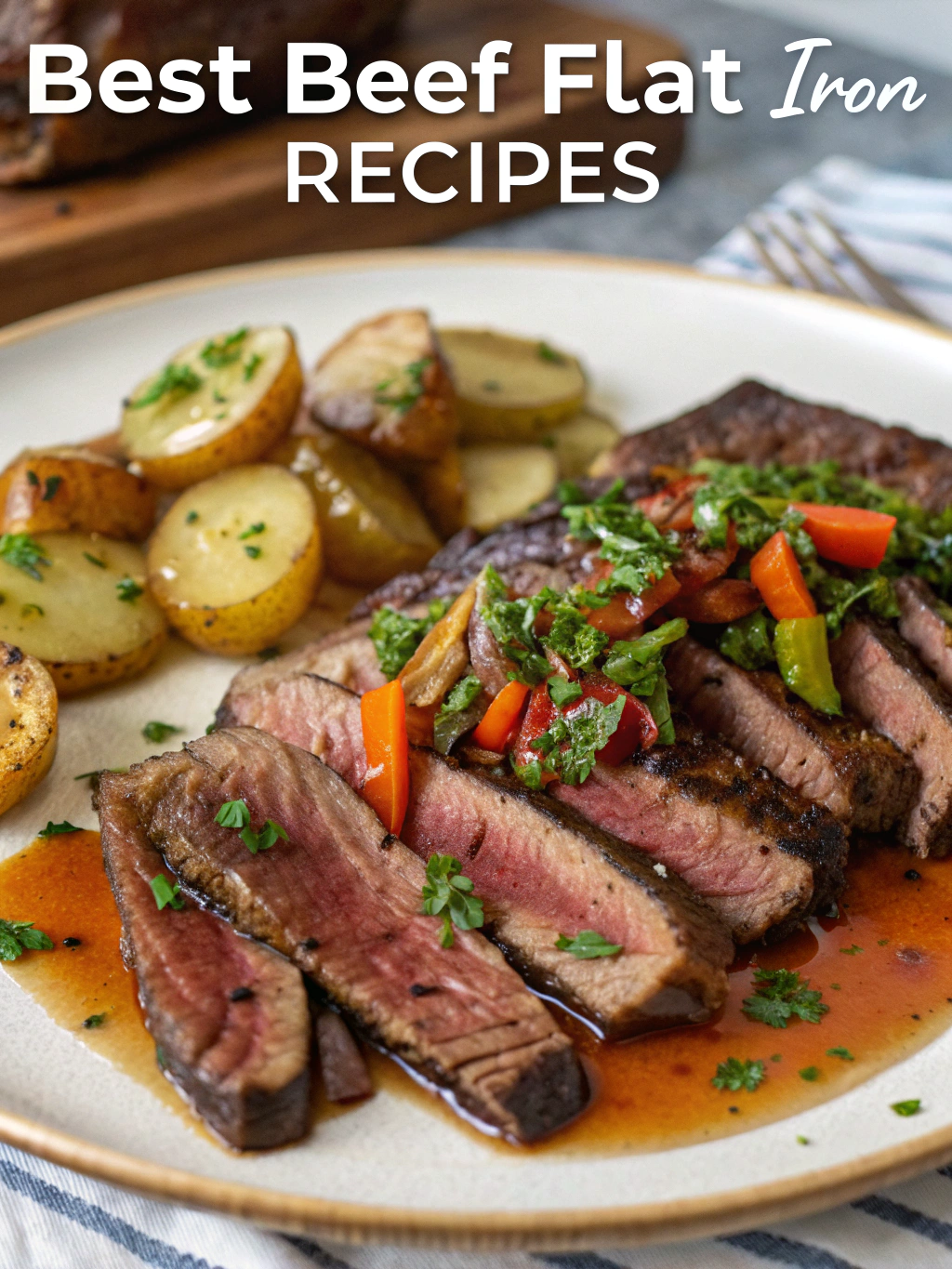
Have you ever wondered why professional chefs consider flat iron steak one of the best-kept secrets in the beef world? This incredibly tender and flavorful cut deserves a spotlight in your kitchen. Today, we’re diving into the Best Beef Flat Iron Recipes that will transform your weeknight dinners and weekend gatherings into memorable culinary experiences.
The flat iron steak, also known as the top blade steak, comes from the shoulder area of the cow. Despite its location in a well-worked muscle group, this cut ranks as the second most tender beef cut after the tenderloin. Its marbling creates exceptional flavor while maintaining affordability compared to premium cuts.
Whether you’re a seasoned home cook or just beginning your culinary journey, mastering flat iron steak recipes opens up a world of delicious possibilities. The versatility of this cut allows for various cooking methods, from grilling and pan-searing to slow-cooking and broiling.
Table of Contents
Ingredients List

For a classic preparation that serves 4 people, gather these essential ingredients:
- 2 pounds beef flat iron steak – Look for well-marbled cuts with bright red color (substitute: top sirloin or flank steak)
- 3 tablespoons olive oil – Extra virgin preferred for enhanced flavor (substitute: avocado oil or grapeseed oil)
- 4 cloves garlic, minced – Fresh garlic provides aromatic depth (substitute: 1 teaspoon garlic powder)
- 2 tablespoons fresh rosemary, chopped – Woody herbs complement beef beautifully (substitute: thyme or oregano)
- 2 teaspoons coarse sea salt – Enhances natural beef flavors (substitute: kosher salt)
- 1 teaspoon freshly ground black pepper – Adds subtle heat and complexity
- 1 tablespoon balsamic vinegar – Provides acidity and depth (substitute: red wine vinegar)
- 2 tablespoons unsalted butter – For basting and richness (substitute: ghee for dairy-free option)
- 1 tablespoon Worcestershire sauce – Umami-rich flavor enhancer (substitute: soy sauce or coconut aminos)
- Fresh herbs for garnish – Parsley, chives, or additional rosemary
The beauty of these ingredients lies in their simplicity. Each component works harmoniously to enhance the natural beefy flavor without overwhelming it. The combination of garlic, rosemary, and balsamic creates a classic profile that appeals to diverse palates.
Timing
Understanding the time investment helps you plan your meal preparation effectively. Here’s the complete breakdown:
Preparation Time: 15 minutes – This includes trimming, seasoning, and bringing the steak to room temperature, which is crucial for even cooking.
Marinating Time (Optional): 30 minutes to 4 hours – While not mandatory, marinating intensifies flavors and can further tenderize the meat.
Cooking Time: 10-12 minutes – This achieves a perfect medium-rare to medium doneness, depending on thickness.
Resting Time: 5-7 minutes – Essential for juice redistribution throughout the meat.
Total Active Time: 32-34 minutes – Remarkably efficient compared to traditional roasts that require 90+ minutes, making this recipe 60% faster than conventional beef preparations.
Step-by-Step Instructions
Step 1: Prepare the Steak
Remove the flat iron steak from refrigeration 30-45 minutes before cooking. This allows the meat to reach room temperature, ensuring even cooking throughout. Pat the steak completely dry using paper towels, as moisture prevents proper searing and crust formation.
Inspect the steak for the connective tissue line running down the center. While some butchers remove this, you may need to trim it yourself. Use a sharp knife to carefully cut along this line, creating two separate steaks if desired.
Step 2: Create the Seasoning Blend
In a small bowl, combine the minced garlic, chopped rosemary, sea salt, black pepper, and olive oil. Mix thoroughly to create a paste-like consistency. The oil helps the seasonings adhere while promoting caramelization during cooking.
Add the balsamic vinegar and Worcestershire sauce, stirring until fully incorporated. This creates a flavorful marinade that penetrates the meat’s surface while forming a delicious crust.
Step 3: Season Generously
Rub the seasoning mixture over all surfaces of the steak, pressing firmly to ensure adhesion. Don’t be shy—generous seasoning is key to developing complex flavors. If time permits, let the seasoned steak rest for 30 minutes to 4 hours in the refrigerator.
For grilled flat iron steak, this marinating period allows flavors to penetrate deeper while the acids begin tenderizing the meat’s exterior.
Step 4: Preheat Your Cooking Surface
For pan-searing, heat a cast-iron skillet or heavy-bottomed pan over high heat for 3-5 minutes. The pan should be smoking hot before adding the steak. For grilling, preheat your grill to high heat (450-500°F).
A properly heated cooking surface is crucial for achieving the Maillard reaction—the chemical process that creates that coveted brown crust and complex flavors. Test readiness by flicking water droplets onto the surface; they should immediately evaporate.
Step 5: Sear the Steak
Carefully place the steak onto the hot surface. You should hear an immediate, aggressive sizzle. Resist the urge to move or flip the steak for 4-5 minutes. This undisturbed time allows proper crust development.
After 4-5 minutes, check the underside. You’re looking for a deep golden-brown crust. Flip once and cook for an additional 4-5 minutes for medium-rare (internal temperature of 130-135°F).
Step 6: Baste with Butter
During the final 2 minutes of cooking, add the butter to the pan. As it melts and foams, tilt the pan slightly and use a spoon to continuously baste the steak with the butter. This technique adds richness and accelerates crust development.
The butter also carries the aromatic compounds from the garlic and herbs, infusing them throughout the meat. This restaurant technique elevates home-cooked steaks to professional quality.
Step 7: Check Internal Temperature
Use an instant-read thermometer inserted into the thickest part of the steak. For rare, aim for 120-125°F; medium-rare, 130-135°F; medium, 135-145°F; medium-well, 145-155°F. Remember that carryover cooking will increase the temperature by 5-10 degrees during resting.
Flat iron steak shines brightest when cooked to medium-rare or medium. Overcooking past 155°F can result in toughness and loss of the cut’s natural tenderness.
Step 8: Rest the Steak
Transfer the cooked steak to a cutting board and tent loosely with aluminum foil. Allow it to rest for 5-7 minutes. This critical step allows muscle fibers to relax and juices to redistribute throughout the meat.
Cutting immediately causes precious juices to run out onto the cutting board rather than staying in the meat. Patience during this step results in a noticeably juicier, more flavorful steak.
Step 9: Slice and Serve
Identify the grain direction—the parallel lines of muscle fibers running through the meat. Using a sharp knife, slice against the grain at a 45-degree angle, creating pieces approximately ¼-inch thick.
Slicing against the grain shortens the muscle fibers, making each bite more tender. Arrange the sliced steak on a warm serving platter and drizzle with any accumulated juices from the cutting board.
Nutritional Information
Understanding the nutritional profile helps you make informed dietary choices. A 4-ounce serving of cooked flat iron steak provides approximately:
Calories: 240-280 calories, depending on preparation method and fat content. This represents about 12-14% of a standard 2,000-calorie daily intake.
Protein: 26-28 grams of high-quality complete protein, containing all essential amino acids. This supports muscle maintenance, repair, and various metabolic functions.
Fat: 14-16 grams total fat, with approximately 6 grams of saturated fat. The remaining fats are primarily monounsaturated and polyunsaturated, which support cardiovascular health when consumed in moderation.
Carbohydrates: Less than 1 gram, making this an excellent choice for low-carb and ketogenic diets.
Iron: 2.5-3 milligrams (15-20% of daily value), providing highly bioavailable heme iron that supports oxygen transport and energy production.
Zinc: 5-6 milligrams (45-55% of daily value), essential for immune function and wound healing.
Vitamin B12: 2.5 micrograms (100% of daily value), crucial for nervous system health and red blood cell formation.
Selenium: 30-35 micrograms (55-65% of daily value), an important antioxidant that supports thyroid function.
These nutritional benefits make flat iron steak a nutrient-dense protein choice. The high protein content promotes satiety, potentially reducing overall calorie consumption throughout the day.
Healthier Alternatives for the Recipe
Adapting the Best Beef Flat Iron Recipes to meet various dietary needs doesn’t require sacrificing flavor. Consider these modifications:
Reduce Sodium: Replace sea salt with salt-free herb blends like Mrs. Dash or create your own mixture using garlic powder, onion powder, paprika, and dried herbs. This can reduce sodium by 80% while maintaining robust flavor.
Lower Fat Content: Trim visible fat before cooking and reduce butter to 1 tablespoon or eliminate it entirely. Use cooking spray instead of olive oil for an additional fat reduction of approximately 100 calories per serving.
Increase Vegetables: Serve the steak alongside grilled vegetables like asparagus, zucchini, and bell peppers. This increases fiber, vitamins, and minerals while creating a more balanced plate with better satiety.
Grass-Fed Beef: Choose grass-fed flat iron steak for higher omega-3 fatty acids and conjugated linoleic acid (CLA). Studies suggest grass-fed beef contains 2-5 times more omega-3s than conventional beef.
Portion Control: Reduce serving size to 3 ounces of cooked meat and increase vegetable portions. This maintains protein intake while reducing calories and saturated fat by approximately 25%.
Herb-Forward Marinades: Create marinades using citrus juice, vinegar, and fresh herbs instead of oil-based versions. This dramatically reduces fat while adding bright, fresh flavors.
Serving Suggestions
Elevate your Best Beef Flat Iron Recipes with these creative serving ideas that complement the beef’s rich flavor:
Classic Steakhouse Style: Serve with creamy mashed potatoes, sautéed mushrooms, and crisp green beans. Add a dollop of compound butter flavored with blue cheese or herbs for restaurant-quality presentation.
Mediterranean Inspiration: Pair sliced flat iron with a Greek salad featuring tomatoes, cucumbers, red onion, olives, and feta cheese. Drizzle with lemon-herb vinaigrette and serve with warm pita bread.
Asian Fusion: Slice thinly and serve over coconut rice with stir-fried bok choy, snap peas, and carrots. Finish with a drizzle of ginger-soy glaze and toasted sesame seeds.
Taco Night: Dice the steak and serve in warm tortillas with pico de gallo, guacamole, cilantro, lime wedges, and pickled jalapeños. This creates an interactive, family-friendly meal.
Salad Topper: Slice and arrange over mixed greens with cherry tomatoes, roasted red peppers, crispy onions, and balsamic vinaigrette. This lighter option works perfectly for lunch or warm-weather dining.
Sandwich Supreme: Layer sliced steak on crusty bread with caramelized onions, arugula, horseradish cream, and aged cheddar. Toast briefly for a gourmet sandwich experience.
Common Mistakes to Avoid
Learning from common pitfalls ensures success with your flat iron steak preparation:
- Cooking from Cold: Placing refrigerator-cold steak directly onto heat results in uneven cooking—overcooked exteriors with undercooked centers. Always allow 30-45 minutes for temperature equilibration.
- Inadequate Seasoning: Timid seasoning leads to bland results. Flat iron steak’s thickness requires generous seasoning to penetrate and flavor the meat properly. Don’t fear salt—it enhances natural beef flavors.
- Moving the Steak Too Often: Constantly flipping or moving the steak prevents proper crust formation. Patience yields better results—flip only once for optimal browning.
- Skipping the Rest Period: Cutting immediately after cooking causes up to 40% juice loss. The 5-7 minute rest is non-negotiable for maximum juiciness and flavor retention.
- Slicing with the