
Easy French Onion Soup Recipe
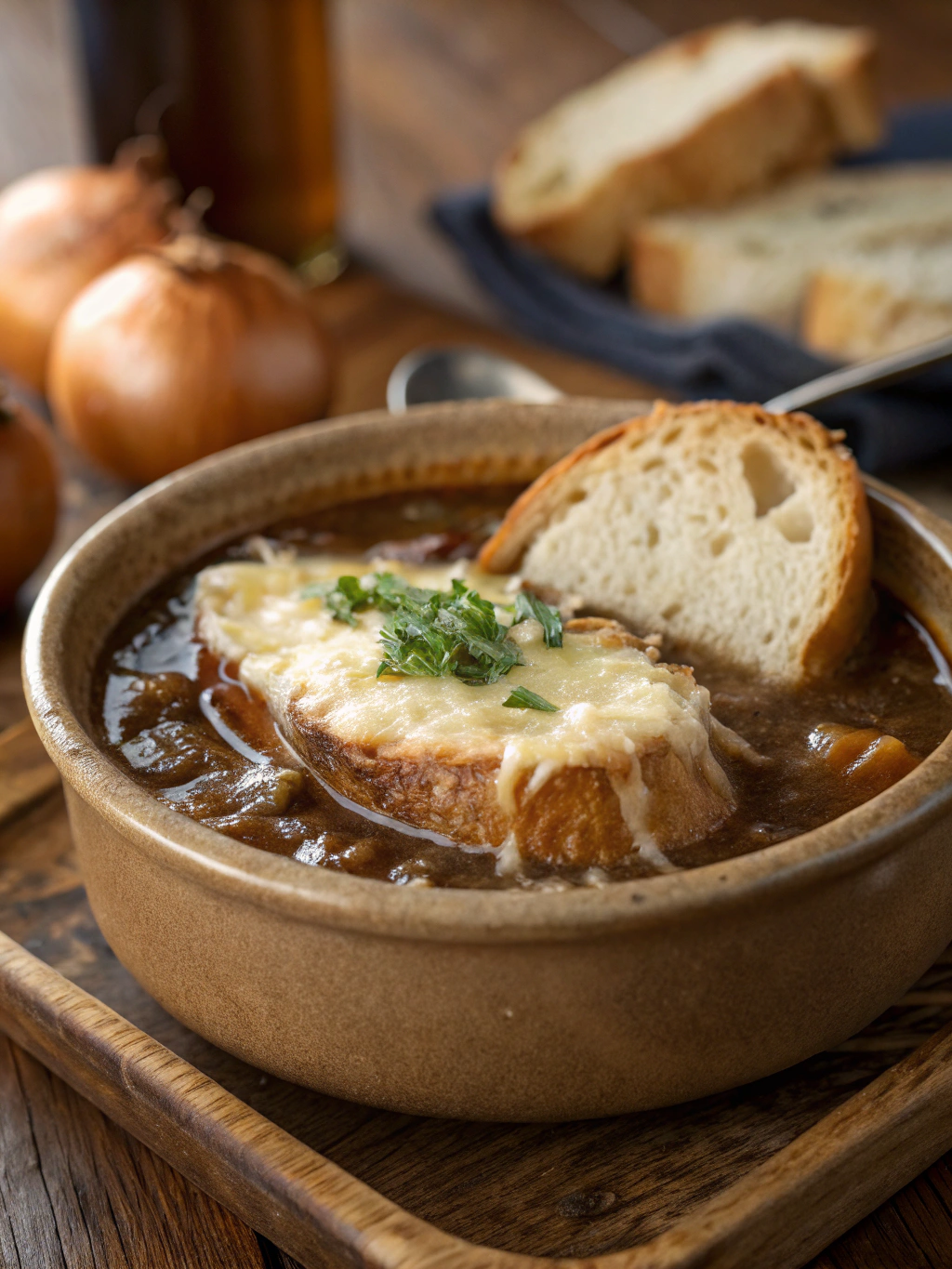
Have you ever wondered why restaurant-style French onion soup tastes so rich and complex, yet seems impossible to recreate at home in under an hour? The secret lies in understanding a few simple techniques that transform ordinary onions into liquid gold. This easy french onion soup recipe delivers that same restaurant-quality depth and flavor in just 30 minutes, proving you don’t need hours of simmering to achieve perfection.
French onion soup has long been considered a labor of love, traditionally requiring patience and time. However, this streamlined approach maintains all the savory, caramelized goodness while fitting perfectly into your busy weeknight schedule. Whether you’re a seasoned home cook or just beginning your culinary journey, this recipe will become your go-to comfort food.
Table of Contents
Ingredients List
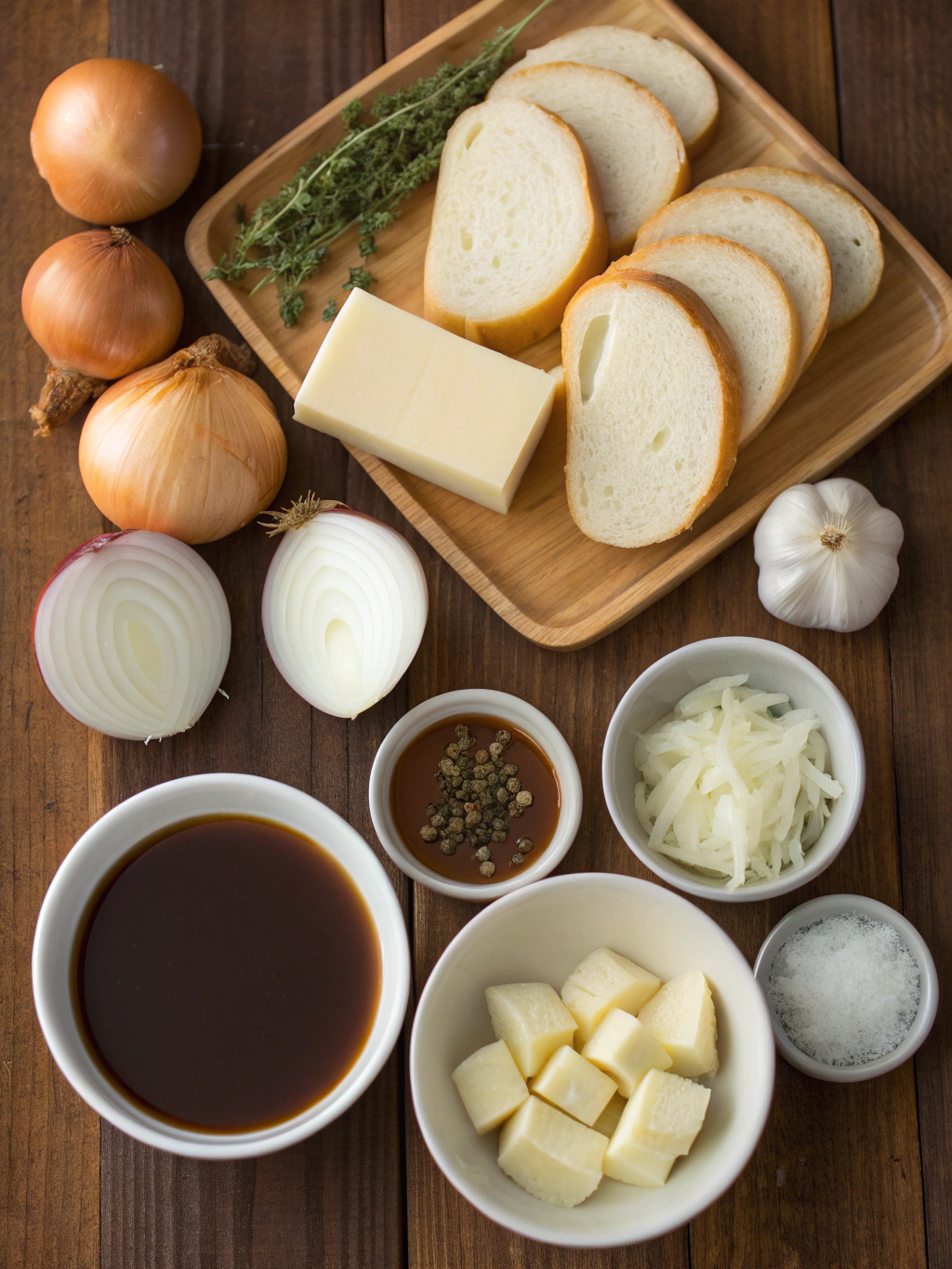
Gathering the right ingredients is essential for creating this soul-warming soup. Each component plays a crucial role in building layers of flavor that make French onion soup so irresistible. Here’s everything you’ll need:
- 4 large yellow onions (about 2 pounds) – thinly sliced into half-moons. Yellow onions provide the perfect balance of sweetness and sharpness. You can substitute with sweet Vidalia onions for a milder flavor or red onions for a slightly more robust taste.
- 3 tablespoons unsalted butter – adds richness and helps caramelize the onions beautifully. For a dairy-free version, use olive oil or vegan butter.
- 1 tablespoon olive oil – prevents the butter from burning during the caramelization process.
- 1 teaspoon granulated sugar – accelerates the caramelization and enhances the natural sweetness of the onions.
- 2 cloves garlic – minced, adding aromatic depth to the soup base.
- 2 tablespoons all-purpose flour – creates body and helps thicken the broth slightly. Gluten-free flour works equally well.
- 1/2 cup dry white wine – deglazes the pan and adds acidity. Dry sherry or additional beef broth can substitute if you prefer to avoid alcohol.
- 6 cups beef broth – forms the flavorful base. Use vegetable broth for a vegetarian version or chicken broth for a lighter alternative.
- 2 bay leaves – infuse subtle herbal notes throughout the soup.
- 1 teaspoon fresh thyme leaves – or 1/2 teaspoon dried thyme for earthy, aromatic flavor.
- Salt and freshly ground black pepper – to taste, essential for balancing all the flavors.
- 6-8 slices French baguette – about 1-inch thick, toasted until golden and crispy.
- 1 1/2 cups Gruyère cheese – freshly grated for that signature melted, bubbly topping. Swiss cheese or a combination of mozzarella and Parmesan can substitute.
- 1/4 cup grated Parmesan cheese – adds extra savory depth to the cheese topping.
Timing
One of the most appealing aspects of this easy french onion soup recipe is its efficiency. Traditional French onion soup can take upwards of 90 minutes to 2 hours, but this streamlined version cuts that time significantly without sacrificing flavor.
Preparation Time: 10 minutes – This includes slicing the onions, mincing garlic, measuring ingredients, and gathering your cookware. Using a sharp knife or mandoline slicer makes quick work of the onions.
Cooking Time: 20 minutes – The onions caramelize in about 12-15 minutes using our high-heat method, and the soup simmers for an additional 5-8 minutes to meld the flavors together.
Broiling Time: 2-3 minutes – Just enough time to toast the bread and melt the cheese into golden, bubbly perfection.
Total Time: Approximately 30-35 minutes from start to finish. This represents nearly 60% less time than traditional recipes, making it perfect for weeknight dinners when you’re craving something special but don’t have hours to spare.
Step-by-Step Instructions

Step 1: Prepare Your Ingredients
Begin by slicing your onions into thin, uniform half-moons about 1/4-inch thick. Consistency in size ensures even caramelization. Mince the garlic and measure out all your ingredients so everything is within arm’s reach. This French cooking technique called “mise en place” streamlines the cooking process and prevents any rushed moments.
Step 2: Caramelize the Onions
Heat a large, heavy-bottomed pot or Dutch oven over medium-high heat. Add the butter and olive oil, swirling to coat the bottom evenly. Once the butter melts and begins to foam, add all the sliced onions at once. They’ll seem like a mountain, but they’ll reduce significantly.
Sprinkle the sugar over the onions and add a generous pinch of salt. Stir well to coat everything evenly. Cook, stirring frequently every 2-3 minutes, for about 12-15 minutes. The onions should turn a deep golden brown and reduce to about one-third of their original volume. The key is maintaining medium-high heat and stirring regularly to prevent burning while encouraging rapid caramelization.
Step 3: Build the Flavor Base
Once your onions achieve a rich, caramel color, add the minced garlic and cook for 30 seconds until fragrant. Sprinkle the flour over the onions and stir constantly for about 1 minute. This creates a roux that will slightly thicken your soup and add body.
Pour in the white wine, scraping the bottom of the pot with a wooden spoon to release all those flavorful browned bits (called fond). Let the wine simmer for about 2 minutes until it reduces by half and the alcohol cooks off.
Step 4: Simmer the Soup
Add the beef broth, bay leaves, and thyme to the pot. Stir everything together and bring to a gentle boil. Once boiling, reduce the heat to medium-low and let the soup simmer for 5-8 minutes. This allows all the flavors to meld beautifully together.
Taste and season with salt and freshly ground black pepper as needed. Remember that the cheese topping will add saltiness, so season conservatively at this stage. Remove and discard the bay leaves before serving.
Step 5: Prepare the Cheese Toasts
While the soup simmers, preheat your oven’s broiler to high. Arrange the baguette slices on a baking sheet and toast them under the broiler for about 1-2 minutes per side until golden and crispy. Watch carefully to prevent burning.
In a small bowl, combine the grated Gruyère and Parmesan cheeses. This blend creates the perfect balance of nutty, savory flavor and excellent melting properties.
Step 6: Assemble and Broil
Ladle the hot soup into oven-safe bowls, filling them about three-quarters full. Place 1-2 toasted baguette slices on top of each bowl, allowing them to float on the surface. Generously pile the cheese mixture over the bread, ensuring it covers the bread and extends slightly over the edges of the bowl.
Carefully transfer the bowls to a baking sheet for easier handling. Place under the preheated broiler for 2-3 minutes, watching closely. The cheese should melt completely, bubble vigorously, and develop golden-brown spots on top. Remove immediately when the cheese reaches this perfect state.
Step 7: Serve and Enjoy
Let the bowls cool for 1-2 minutes before serving, as both the soup and bowls will be extremely hot. Warn your guests about the temperature! The cheese will be molten and the soup steaming. Serve immediately while the cheese is still bubbly and stretchy.
Nutritional Information
Understanding the nutritional profile of this easy french onion soup recipe helps you make informed decisions about portion sizes and dietary considerations. Each serving (based on 6 servings total) contains approximately:
Calories: 320 per serving – This is moderate for a hearty soup that serves as a complete meal when paired with a side salad.
Total Fat: 16g (25% Daily Value) – Primarily from the cheese and butter, providing satisfying richness and helping with the absorption of fat-soluble vitamins.
Saturated Fat: 9g (45% DV) – While higher due to the cheese and butter, enjoying this soup occasionally as part of a balanced diet poses no concern for most people.
Cholesterol: 45mg (15% DV) – Moderate levels from the dairy components.
Sodium: 890mg (39% DV) – Primarily from the broth and cheese. Using low-sodium broth can reduce this by approximately 30%.
Total Carbohydrates: 28g (10% DV) – Coming from the onions and bread, providing energy and fiber.
Dietary Fiber: 3g (11% DV) – Onions are surprisingly fiber-rich, supporting digestive health.
Protein: 15g (30% DV) – The cheese and broth provide substantial protein, making this soup quite satisfying.
Vitamin C: 12% DV – Onions retain some vitamin C even after cooking.
Calcium: 35% DV – Excellent calcium content from the cheese, supporting bone health.
Iron: 8% DV – Modest iron contribution from the beef broth and onions.
This soup provides a good balance of macronutrients with notable calcium and protein content. The onions contribute beneficial compounds called quercetin and sulfur compounds, which have antioxidant and anti-inflammatory properties.
Healthier Alternatives for the Recipe
While traditional French onion soup is already packed with the nutritional benefits of onions, you can make several modifications to align with specific dietary goals without compromising the soul-satisfying flavor.
Reduce Saturated Fat: Replace half the butter with additional olive oil or use a plant-based butter alternative. This simple swap reduces saturated fat by approximately 30% while maintaining the rich, caramelized flavor. You can also reduce the cheese topping to 1 cup total while still achieving that signature melted cheese experience.
Lower Sodium Content: Use low-sodium or no-salt-added beef broth and control the salt you add during cooking. This modification can reduce sodium by 40-50%. Enhance flavor depth by adding an extra bay leaf, more fresh thyme, or a splash of balsamic vinegar for complexity without salt.
Increase Fiber and Nutrients: Add 2 cups of sliced mushrooms along with the onions. Mushrooms provide umami depth, extra fiber, B vitamins, and selenium while adding minimal calories. You can also incorporate a handful of fresh spinach or kale during the last minute of simmering for added nutrients.
Gluten-Free Adaptation: Use gluten-free flour for the roux and substitute the baguette with gluten-free bread or skip the bread entirely, serving the soup in bowls with just the melted cheese on top. The soup itself is naturally gluten-free when these simple swaps are made.
Vegetarian and Vegan Options: Replace beef broth with rich vegetable broth or mushroom broth for deep umami flavor. For a vegan version, use plant-based butter, skip the cheese topping, or use cashew-based or nutritional yeast-based cheese alternatives. While different from traditional French onion soup, these versions are delicious in their own right.
Boost Protein: Add shredded rotisserie chicken or white beans to the soup during the last few minutes of simmering. This transforms the soup into an even more substantial meal with an additional 10-15g of protein per serving.
Serving Suggestions
This easy french onion soup recipe shines as a standalone meal, but pairing it thoughtfully elevates the entire dining experience. Here are creative ways to serve and complement this classic dish.
Classic French Bistro Style: Serve the soup as the star of a light dinner alongside a crisp green salad dressed with Dijon vinaigrette and a glass of dry white wine or light red wine like Pinot Noir. This combination mirrors the authentic Parisian bistro experience.
Hearty Winter Meal: Pair with a charcuterie board featuring cured meats, cornichons, whole-grain mustard, and additional crusty bread. This creates a satisfying spread perfect for cold evenings or casual entertaining.
Elegant Dinner Party Starter: Serve in smaller portions (about 3/4 cup) as an impressive first course before roasted chicken, beef tenderloin, or salmon. The rich, savory soup prepares the palate beautifully for the main course without being too filling.
Comfort Food Lunch: Enjoy a generous bowl with a simple side of roasted vegetables or a half sandwich. The soup’s richness pairs wonderfully with lighter, fresher accompaniments that provide textural contrast.
Game Day or Casual Gathering: Set up a French onion soup bar where guests can customize their bowls with different cheese options (Gruyère, Swiss, fontina, or sharp cheddar), various bread types, and optional add-ins like crispy bacon bits or fresh herbs.
Seasonal Variations: In summer, serve slightly smaller portions and pair with a refreshing cucumber salad. In winter, go all-in with extra cheese and serve alongside roasted root vegetables for maximum comfort.
Garnish suggestions include fresh thyme sprigs, a drizzle of truffle oil for luxury, freshly cracked black pepper, or a small sprinkle