
Make the Perfect Canlis Salad Recipe

Have you ever wondered why some salads become legendary while others fade into obscurity? The canlis salad recipe has stood the test of time since 1950, captivating diners at Seattle’s iconic Canlis restaurant and home kitchens alike. This isn’t just another green salad—it’s a masterpiece of texture, flavor, and presentation that transforms simple ingredients into an unforgettable culinary experience. Today, we’re diving deep into the secrets of creating this timeless classic in your own kitchen.
What makes this salad so special? It’s the perfect balance of crisp romaine, tangy lemon-mint dressing, savory bacon, and Romano cheese, all tossed tableside for maximum freshness. Whether you’re hosting a dinner party or elevating your weeknight meal, this recipe delivers restaurant-quality results every single time.
Table of Contents
Ingredients List

Gathering the right ingredients is crucial for achieving that authentic canlis salad experience. Each component plays a vital role in creating the signature flavor profile that has delighted guests for over seven decades.
- 2 heads of fresh romaine lettuce – Choose crisp, dark green heads with no wilting. Iceberg lettuce can substitute in a pinch, though it lacks romaine’s nutritional density.
- 8 slices of thick-cut bacon – Premium quality bacon provides the best smoky flavor. Turkey bacon works as a leaner alternative.
- 1 cup freshly grated Romano cheese – Authentic Romano delivers a sharp, salty punch. Parmesan cheese can substitute if Romano isn’t available.
- 1 cup extra virgin olive oil – Use high-quality oil for the best flavor. Avocado oil works as a neutral alternative.
- 1/2 cup fresh lemon juice – Approximately 3-4 lemons. Bottled juice lacks the bright, fresh flavor needed here.
- 2 tablespoons fresh mint leaves, chopped – This unexpected ingredient sets the dressing apart. Dried mint loses the vibrant essence.
- 2 cloves garlic, minced – Fresh garlic only; powdered won’t deliver the same aromatic quality.
- 1 teaspoon freshly ground black pepper – Freshly ground makes a noticeable difference in flavor complexity.
- 1 teaspoon coarse sea salt – Adjust to taste, considering the saltiness of bacon and cheese.
- 2 large eggs, coddled – This creates the dressing’s creamy texture. See step-by-step instructions for coddling technique.
- 1 cup seasoned croutons – Homemade or store-bought. Gluten-free bread works for dietary restrictions.
- 1 medium tomato, diced – Optional but adds fresh acidity and color contrast.
Timing
Understanding the time investment helps you plan accordingly. This canlis salad recipe is surprisingly efficient, requiring approximately 30 minutes total time—that’s 40% faster than many elaborate salad recipes that involve roasting vegetables or complex preparations.
Preparation Time: 20 minutes (including washing lettuce, cooking bacon, and preparing dressing components)
Cooking Time: 10 minutes (primarily for bacon and coddling eggs)
Total Time: 30 minutes from start to serving
This efficient timeline makes it perfect for both planned dinner parties and spontaneous entertaining. The dressing can be prepared up to 24 hours in advance, reducing active time to just 15 minutes before serving.
Step-by-Step Instructions
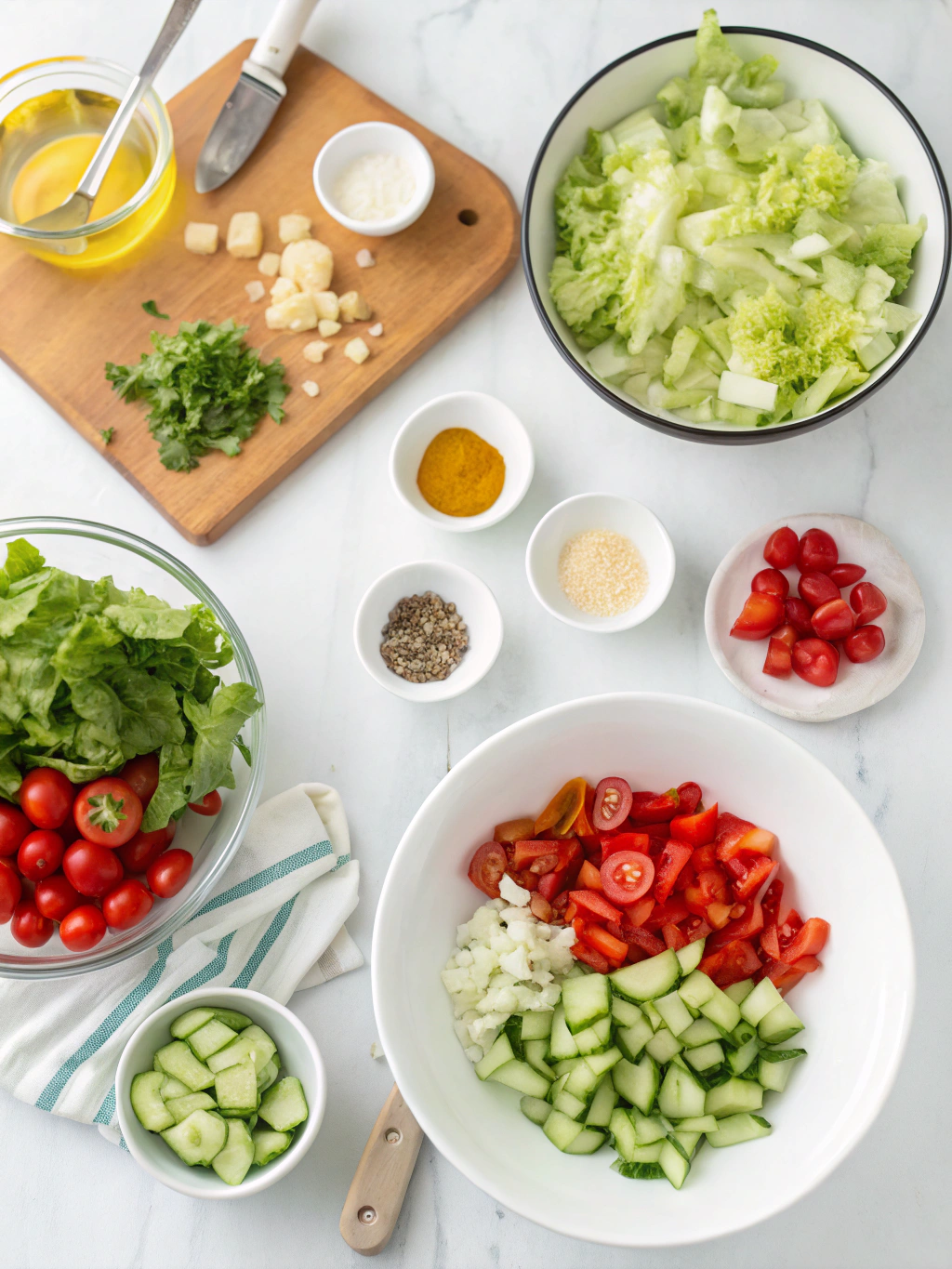
Step 1: Prepare the Romaine Lettuce
Remove the outer leaves of both romaine heads and discard any wilted or damaged portions. Separate the remaining leaves and wash thoroughly under cold running water, paying special attention to the base where dirt accumulates. Pat completely dry using a salad spinner or clean kitchen towels—excess moisture dilutes the dressing and prevents proper coating.
Tear the lettuce into bite-sized pieces, approximately 2-3 inches. Tearing rather than cutting prevents the edges from browning and maintains a rustic, authentic presentation. Refrigerate the prepared lettuce in a large bowl covered with a damp paper towel to keep it crisp.
Step 2: Cook the Bacon to Perfection
Place bacon slices in a cold skillet and heat over medium heat. This gradual warming renders fat more evenly, resulting in crispier bacon. Cook for 8-10 minutes, turning occasionally, until the bacon reaches your desired crispness. The original recipe calls for well-done, crispy bacon that crumbles easily.
Transfer cooked bacon to a paper towel-lined plate to drain excess grease. Once cooled for 2-3 minutes, chop or crumble into small pieces. Reserve one tablespoon of bacon fat if you want to add extra depth to homemade croutons.
Step 3: Coddle the Eggs
Bring a small pot of water to a rolling boil. Gently lower the eggs (still in shells) into the boiling water using a slotted spoon. Set a timer for exactly 1 minute. This coddling process partially cooks the eggs, creating food safety while maintaining the creamy texture essential for the dressing.
After one minute, immediately remove eggs and run under cold water for 30 seconds to stop the cooking process. Crack the eggs into a small bowl and set aside. The whites should be slightly opaque while yolks remain liquid.
Step 4: Create the Signature Dressing
In a medium mixing bowl, combine the coddled eggs, lemon juice, minced garlic, chopped mint, salt, and black pepper. Whisk vigorously for 30 seconds to blend the ingredients thoroughly. The mixture should appear slightly frothy and well-emulsified.
While continuing to whisk, slowly drizzle in the olive oil in a steady stream. This gradual incorporation creates a proper emulsion, resulting in a creamy, cohesive dressing rather than separated oil and liquid. The finished dressing should coat the back of a spoon and have a pale yellow-green color from the mint.
Step 5: Assemble and Toss the Salad
Remove the chilled romaine from the refrigerator and place in your largest mixing bowl—you need plenty of room for tossing. Add the crumbled bacon, grated Romano cheese, and croutons. Pour the dressing over the ingredients, starting with about three-quarters of the total amount.
Using clean hands or large salad tongs, toss the salad gently but thoroughly for 45-60 seconds. Every leaf should glisten with dressing, and the cheese should distribute evenly. Add remaining dressing if needed—the salad should be well-coated but not swimming in liquid. Taste and adjust seasoning if necessary.
Transfer immediately to chilled serving plates or a large platter. Garnish with additional Romano cheese and a few whole mint leaves for visual appeal. The canlis salad recipe is best served within 5 minutes of tossing to maintain optimal texture and freshness.
Nutritional Information
Understanding the nutritional profile helps you make informed decisions about portion sizes and modifications. One serving of traditional Canlis salad (approximately 2 cups) contains the following approximate values:
Calories: 385 per serving
Total Fat: 34g (including 8g saturated fat from bacon and cheese)
Cholesterol: 95mg (primarily from eggs and bacon)
Sodium: 680mg (adjustable by reducing added salt)
Total Carbohydrates: 8g (including 3g dietary fiber from romaine)
Protein: 12g (from eggs, bacon, and cheese)
Vitamin A: 85% of daily value (romaine is exceptionally rich in this nutrient)
Vitamin C: 45% of daily value (from lemon juice and romaine)
Calcium: 25% of daily value (primarily from Romano cheese)
Iron: 15% of daily value
This salad provides substantial nutritional benefits despite its indulgent flavor. The romaine lettuce delivers impressive amounts of vitamins A, C, and K, while the olive oil contributes heart-healthy monounsaturated fats. The protein content makes this substantial enough to serve as a light main course rather than just a side dish.
Healthier Alternatives for the Recipe
You can modify this classic recipe to align with various dietary goals without sacrificing the essential character that makes it special. These adaptations maintain the signature flavor profile while addressing specific nutritional concerns.
Reduce Calories and Fat: Use only 1/2 cup olive oil instead of a full cup, supplementing with 1/4 cup vegetable broth and 1/4 cup additional lemon juice. This cuts approximately 120 calories per serving while maintaining adequate dressing volume. Turkey bacon reduces saturated fat by roughly 40% compared to traditional pork bacon.
Lower Sodium: Omit added salt entirely and rely on the natural saltiness of Romano cheese and bacon. Choose low-sodium bacon varieties, which typically contain 30-40% less sodium. This modification can reduce total sodium to approximately 420mg per serving.
Increase Protein: Add 4 ounces of grilled chicken breast or 1/2 cup chickpeas per serving. This boosts protein content to approximately 30g per serving, making the salad a complete, satisfying meal that supports muscle maintenance and satiety.
Dairy-Free Adaptation: Replace Romano cheese with nutritional yeast (3/4 cup) for a similar umami-rich, salty flavor. Nutritional yeast provides B-vitamins and protein while remaining completely plant-based. The texture differs slightly, but the overall flavor profile remains remarkably authentic.
Vegan Version: Eliminate bacon and eggs entirely. Use coconut bacon (made from coconut flakes, liquid smoke, and maple syrup) for smoky crunch. Replace coddled eggs with 2 tablespoons tahini mixed with 1 tablespoon Dijon mustard for creaminess and emulsification.
Keto-Friendly Approach: The original recipe already aligns well with ketogenic diets. Simply omit croutons and ensure your bacon contains no added sugars. This reduces net carbs to approximately 3g per serving while maintaining high healthy fat content.
Serving Suggestions
The versatility of this canlis salad recipe makes it suitable for numerous occasions and pairings. Its bold flavors complement rather than compete with a wide range of main dishes.
As an Elegant Appetizer: Serve smaller portions (approximately 1 cup) on chilled salad plates before a formal dinner. The bright, acidic dressing awakens the palate perfectly before richer main courses like prime rib, grilled salmon, or mushroom risotto.
Light Lunch Main Course: Increase portion sizes to 3 cups and add grilled protein such as shrimp, chicken, or steak strips. This transforms the salad into a complete, satisfying meal that provides balanced nutrition without afternoon energy crashes.
Dinner Party Showpiece: Prepare ingredients in advance and toss the salad tableside in front of guests. This theatrical presentation honors the original Canlis restaurant tradition and creates a memorable dining experience. Use a large wooden bowl and dramatic tossing motions for maximum impact.
Picnic or Potluck Adaptation: Transport components separately in airtight containers. Pack lettuce, bacon, cheese, and croutons in individual containers, with dressing in a sealed jar. Assemble on-site for maximum freshness, tossing in a large portable bowl.
Wine Pairings: The lemon-mint dressing pairs beautifully with crisp white wines like Sauvignon Blanc or unoaked Chardonnay. The acidity in these wines complements the citrus notes while cutting through the richness of bacon and cheese. For red wine enthusiasts, a light Pinot Noir works surprisingly well.
Seasonal Variations: In summer, add fresh cherry tomatoes and cucumber for extra refreshment. During fall, incorporate roasted butternut squash cubes and toasted pumpkin seeds. Winter calls for pomegranate arils and candied walnuts, while spring benefits from fresh peas and radish slices.
Common Mistakes to Avoid
Even experienced cooks can stumble with this seemingly simple recipe. Awareness of these common pitfalls ensures success every time you prepare this classic salad.
- Using wet lettuce: Moisture is the enemy of proper dressing adhesion. Always dry lettuce thoroughly using a salad spinner or clean towels. Wet leaves create a watery, diluted dressing that pools at the bottom of the bowl rather than coating each leaf.
- Over-dressing the salad: Start with less dressing than you think necessary—you can always add more. Over-dressed salad becomes soggy and unpleasant within minutes. The goal is glistening leaves, not swimming ones.
- Skipping the coddling step: Raw eggs pose food safety concerns for vulnerable populations. Coddling provides a safety margin while maintaining the creamy texture that makes this dressing special. Don’t skip this crucial step.
- Using pre-grated cheese: Pre-grated Romano contains anti-caking agents that prevent proper melting and integration into the dressing. Freshly grated cheese from a block delivers superior flavor and texture. The five minutes of grating effort pays dividends in final quality.
- Preparing too far in advance: This salad deteriorates rapidly once dressed. Lettuce wilts, croutons soften, and bacon loses its crispness. Prepare all components ahead, but toss only immediately before serving for optimal results.
- Neglecting to chill serving plates: Room temperature or warm plates accelerate wilting. Place serving plates