
5-Minute Lobster Roll Recipe
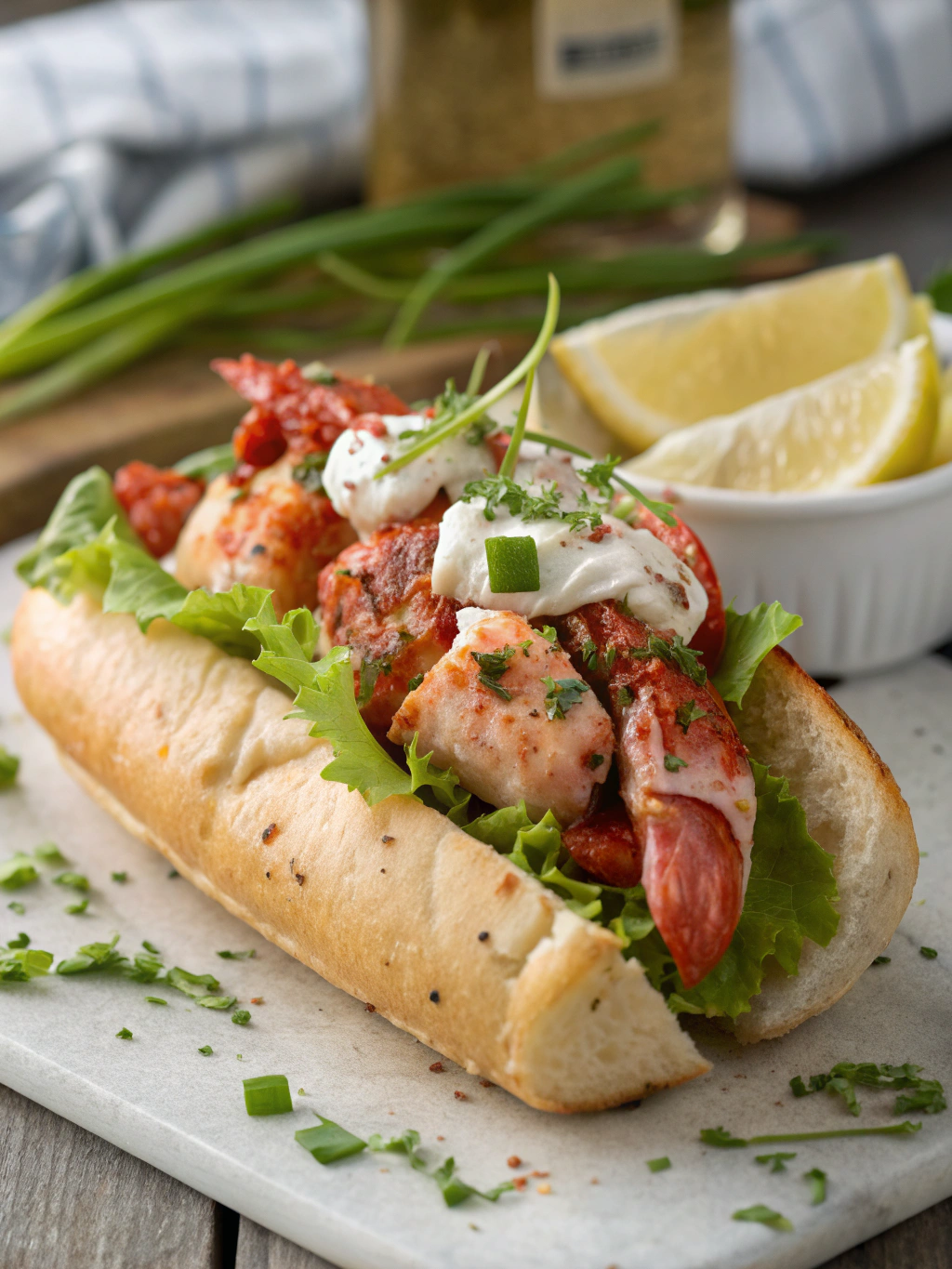
Have you ever wondered why most lobster roll recipes claim to take 30 minutes when you’re craving that buttery, succulent seafood experience right now? What if you could create a restaurant-quality lobster roll recipe in just 5 minutes without sacrificing flavor or authenticity? This quick and delicious approach transforms premium lobster meat into a mouthwatering sandwich that rivals the best coastal eateries, proving that gourmet doesn’t always mean time-consuming.
Whether you’re hosting an impromptu summer gathering or simply treating yourself to a luxurious lunch, this streamlined method delivers exceptional results. The secret lies in using pre-cooked lobster meat and focusing on the perfect balance of seasonings and textures that make lobster rolls irresistible.
Table of Contents
Ingredients List
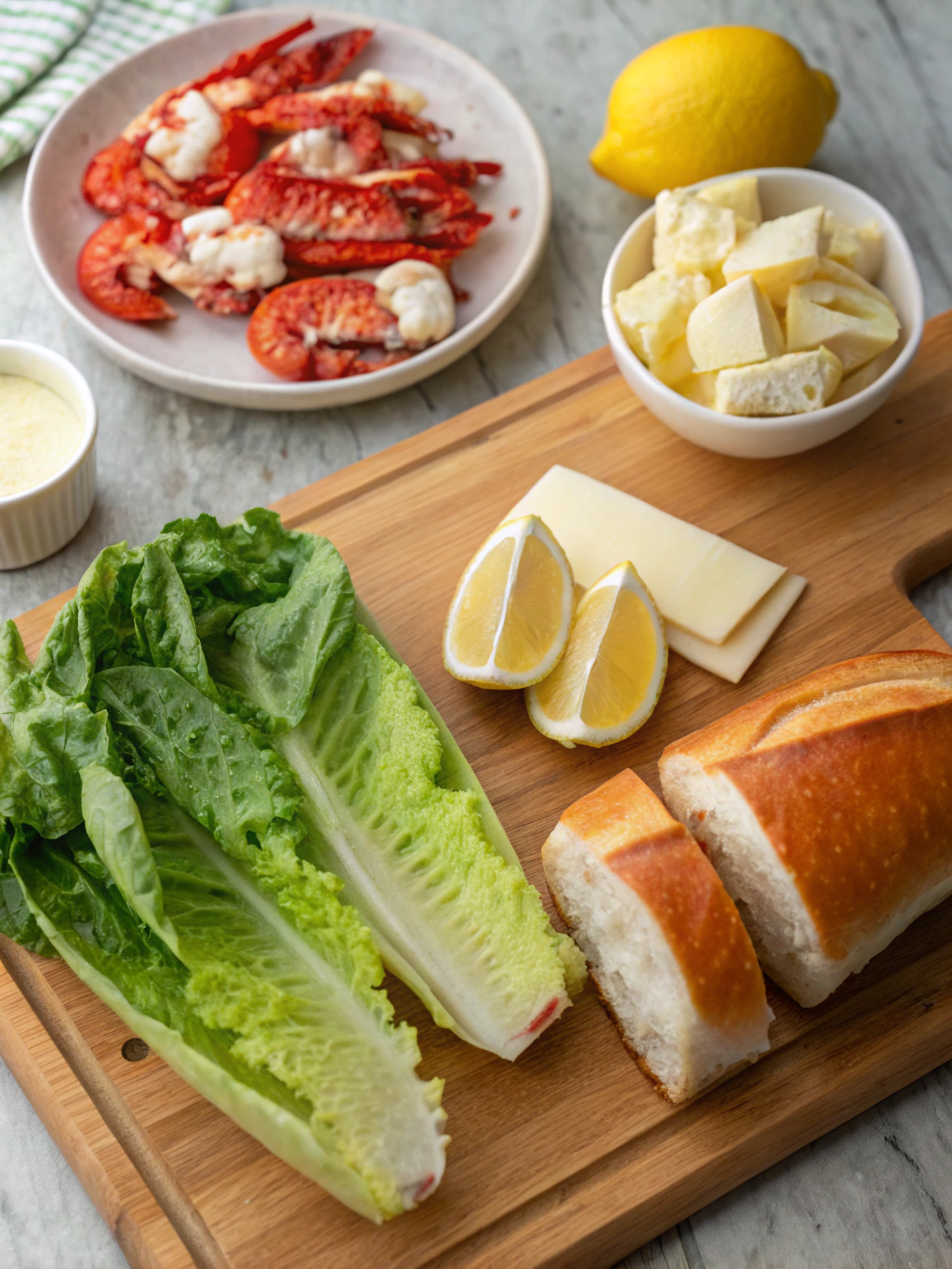
Gathering the right ingredients is crucial for creating an authentic lobster roll that bursts with flavor. Here’s everything you’ll need for this quick preparation:
- 1 pound cooked lobster meat (fresh or high-quality frozen, thawed and chopped into bite-sized pieces) – You can substitute with lump crab meat or cooked shrimp for a more budget-friendly option
- 3 tablespoons mayonnaise (use Greek yogurt or avocado mayo for a healthier twist)
- 1 tablespoon fresh lemon juice (adds brightness and cuts through richness)
- 2 tablespoons melted butter (unsalted, for the Connecticut-style variation)
- 2 celery stalks, finely diced (provides essential crunch and freshness)
- 2 tablespoons fresh chives, minced (or substitute with green onions)
- 4 top-split hot dog buns (New England-style preferred, or any quality soft rolls)
- Salt and white pepper to taste (white pepper maintains the pristine appearance)
- 1 tablespoon butter for toasting buns (creates that golden, crispy exterior)
- Optional: 1/4 teaspoon Old Bay seasoning (for additional coastal flavor)
- Optional: Butter lettuce leaves (for lining the buns)
The quality of your lobster meat makes all the difference. Fresh Maine lobster provides the sweetest, most tender results, but flash-frozen lobster meat works beautifully when fresh isn’t available.
Timing
This recipe truly lives up to its 5-minute promise, making it approximately 83% faster than traditional lobster roll recipes that require cooking whole lobsters from scratch.
Preparation Time: 3 minutes – Simply mixing the lobster salad and prepping your ingredients takes minimal effort when using pre-cooked lobster meat.
Cooking Time: 2 minutes – Toasting the buns is the only cooking required, creating that essential buttery, golden exterior.
Total Time: 5 minutes – From refrigerator to table in less time than it takes to brew coffee, this recipe revolutionizes quick gourmet cooking.
This efficiency makes it perfect for busy weeknights, last-minute entertaining, or whenever you’re craving coastal cuisine without the commitment of extensive preparation.
Step-by-Step Instructions
Step 1: Prepare the Lobster Mixture
Begin by ensuring your lobster meat is properly drained and patted dry with paper towels. Excess moisture will make your lobster roll soggy and dilute the flavors you’re working to build.
In a medium mixing bowl, combine the lobster meat with finely diced celery and minced chives. The celery provides a satisfying crunch that contrasts beautifully with the tender lobster, while chives add a subtle onion flavor without overpowering the delicate seafood.
Step 2: Create Your Dressing
For a classic Maine-style lobster roll recipe, add mayonnaise and fresh lemon juice to your lobster mixture. Gently fold the ingredients together using a rubber spatula, being careful not to break up the lobster chunks too much.
Season with salt and white pepper to taste. Start conservatively—you can always add more, but you can’t take it away. The lemon juice should be just enough to brighten the flavors without making the mixture taste citrusy.
Alternatively, for a Connecticut lobster roll variation, skip the mayonnaise entirely and toss the lobster meat with warm melted butter, a squeeze of lemon, and seasonings. This hot-style preparation lets the pure lobster flavor shine through.
Step 3: Toast the Buns
Heat a large skillet or griddle over medium heat. Add one tablespoon of butter and let it melt, swirling to coat the pan evenly.
Place your hot dog buns cut-side down in the melted butter. Toast for 60-90 seconds until they turn golden brown and develop a slight crispiness. This step is non-negotiable—it creates textural contrast and prevents the bun from becoming soggy from the lobster mixture.
Watch carefully to avoid burning. The buns should be golden and fragrant, with a delicate crunch on the outside while remaining soft and pillowy inside.
Step 4: Assemble Your Lobster Rolls
If desired, line each toasted bun with a crisp butter lettuce leaf. This optional step adds color, freshness, and an extra barrier against sogginess.
Generously fill each bun with the lobster mixture, mounding it high for that classic overflowing appearance that makes lobster rolls so visually appealing. Don’t be shy—each roll should contain approximately 4 ounces of the lobster mixture.
For the Connecticut-style version, fill the warm toasted buns with the butter-tossed lobster meat immediately while everything is still warm. The heat enhances the buttery richness and creates an entirely different but equally delicious experience.
Step 5: Final Touches and Serve
Add any final garnishes such as a light sprinkle of paprika, additional chives, or a lemon wedge on the side. These finishing touches elevate presentation and allow diners to customize their experience.
Serve immediately while the buns are still warm and slightly crispy. Lobster rolls are best enjoyed fresh, as the contrast between the cool lobster salad and warm, buttery bun creates the perfect temperature balance.
Nutritional Information
Each lobster roll (one filled bun) contains approximately the following nutritional values, making this a surprisingly protein-rich meal option:
Calories: 380-420 calories per serving, depending on the amount of mayonnaise and butter used. This represents a moderate caloric intake for a main course.
Protein: 28-32 grams – Lobster is an excellent source of lean protein, providing essential amino acids for muscle maintenance and satiety.
Fat: 18-22 grams, primarily from mayonnaise and butter. Using lighter alternatives can reduce this significantly.
Carbohydrates: 24-28 grams, mainly from the bun. Opting for whole grain buns increases fiber content.
Cholesterol: 145-165 mg – Lobster naturally contains cholesterol, though it’s low in saturated fat.
Sodium: 650-850 mg – Can be reduced by using unsalted butter and limiting added salt.
Lobster provides significant amounts of vitamin B12, zinc, copper, and selenium. It’s also rich in omega-3 fatty acids, which support heart and brain health. Studies show that seafood consumption twice weekly contributes to improved cardiovascular outcomes.
Healthier Alternatives for the Recipe
Transform this indulgent recipe into a lighter option without sacrificing the luxurious lobster experience. These modifications can reduce calories by up to 35% while maintaining delicious flavor.
Replace mayonnaise with Greek yogurt: This swap cuts calories and fat while adding probiotics and extra protein. Mix plain Greek yogurt with a touch of Dijon mustard for tang.
Use whole wheat or multigrain buns: Increase fiber content and add nutty flavor complexity. These alternatives provide sustained energy and improved digestive health.
Reduce butter quantity: Use a butter-flavored cooking spray for toasting buns instead of a full tablespoon of butter. You’ll still achieve golden color with fewer calories.
Add more vegetables: Incorporate diced cucumber, radishes, or bell peppers for additional crunch, vitamins, and fiber without adding significant calories.
Try avocado-based dressing: Mash ripe avocado with lemon juice and a touch of garlic for a creamy, heart-healthy alternative that provides beneficial monounsaturated fats.
Portion control approach: Serve the lobster mixture over a bed of mixed greens instead of in a bun for a low-carb, keto-friendly option that’s equally satisfying.
Serving Suggestions
Elevate your lobster roll recipe with thoughtful accompaniments that complement the sweet, delicate lobster without overwhelming it. Consider these pairing options for a complete coastal dining experience.
Classic Cape Cod chips: Serve alongside kettle-cooked potato chips with sea salt for that authentic New England clambake vibe. The salty crunch pairs perfectly with rich lobster.
Coleslaw with vinegar dressing: A tangy, light coleslaw provides refreshing contrast to the creamy lobster filling. Avoid mayo-based slaws that compete with the richness.
Pickle spears: The acidity and crunch of dill pickles cleanse the palate between bites, making each mouthful taste as fresh as the first.
Fresh fruit salad: Watermelon, cantaloupe, or mixed berries offer a sweet, hydrating counterpoint that’s perfect for summer dining.
Corn on the cob: Grilled or boiled sweet corn with butter continues the coastal theme and adds a summery, festive element to your meal.
Chilled white wine or craft beer: A crisp Sauvignon Blanc, unoaked Chardonnay, or light wheat beer enhances the seafood flavors beautifully.
For entertaining, create a lobster roll bar where guests can customize their rolls with various toppings like crispy bacon bits, hot sauce, capers, or fresh herbs. This interactive approach makes casual gatherings more memorable.
Common Mistakes to Avoid
Even with a simple 5-minute recipe, certain pitfalls can compromise your results. Avoid these common errors to ensure perfect lobster rolls every time.
- Over-mixing the lobster: Aggressive stirring breaks down the meat into mush. Fold gently to maintain those desirable chunks that showcase the lobster’s premium quality.
- Using too much mayonnaise: The dressing should lightly coat the lobster, not drown it. You want to taste lobster first, with mayo as a supporting player. Start with less and add more if needed.
- Skipping the bun toasting: Untoasted buns become soggy within minutes. That golden, buttery crispness is essential for textural contrast and structural integrity.
- Using low-quality lobster meat: Rubbery, freezer-burned, or overly processed lobster ruins the entire dish. Invest in quality seafood—it’s the star ingredient and worth the premium.
- Assembling too far in advance: Lobster rolls are best constructed immediately before serving. Pre-assembled rolls become soggy and lose their appealing contrast of temperatures and textures.
- Over-seasoning: Lobster has a delicate, sweet flavor that’s easily overwhelmed. Season conservatively, allowing the natural seafood taste to shine through.
- Forgetting to drain lobster meat: Excess liquid creates a watery, unappetizing mixture. Always pat lobster dry before mixing with other ingredients.
- Using the wrong bun type: Standard hamburger buns don’t provide the same experience. Top-split New England-style hot dog buns are designed specifically for this purpose.
Storing Tips for the Recipe
Proper storage ensures you can enjoy leftover lobster mixture safely while maintaining optimal flavor and texture. Follow these guidelines for best results.
Refrigerating the lobster mixture: Store the prepared lobster salad (before assembling in buns) in an airtight container in the refrigerator for up to 2 days. The acidity from lemon juice helps preserve freshness.
Keep components separate: Never store assembled lobster rolls, as the buns will become unappetizingly soggy. Store the lobster mixture and buns separately, assembling only when ready to eat.
Freezing considerations: While you can freeze cooked lobster meat for up to 3 months, mayonnaise-based mixtures don’t freeze well as they separate upon thawing. Freeze plain lobster meat and prepare the mixture fresh when needed.
Temperature safety: Lobster is highly perishable. Never leave it at room temperature for more than 2 hours (1 hour if the temperature exceeds 90°F). Bacteria multiply rapidly on seafood.
Reviving refrigerated mixture: If your lobster salad seems dry after refrigeration, refresh it with a small squeeze of lemon juice and a teaspoon of mayonnaise. Stir gently before serving.
Bun storage: Keep unused buns in their original packaging at room temperature for 2-3 days, or freeze for up to 3 months. Toast directly from frozen, adding 30 seconds to the toasting time.
Meal prep strategy: Prepare the lobster mixture the night before your event and store it chilled. Toast buns and assemble rolls immediately before serving for the freshest possible result.</p