
10 Best Poblano Pepper Recipes
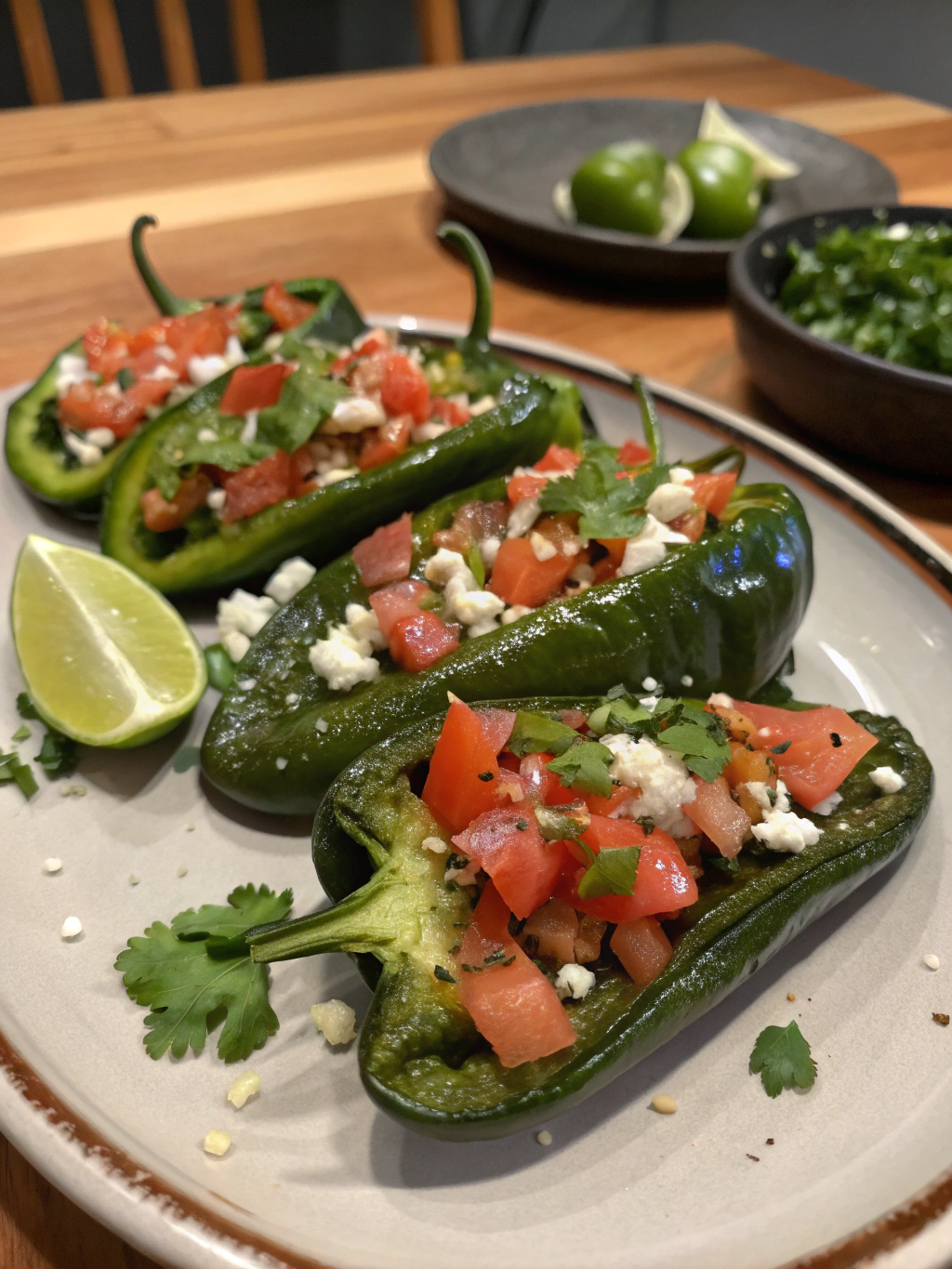
Have you ever wondered why poblano peppers are the secret weapon in restaurant kitchens that home cooks often overlook? These mild, flavorful peppers transform ordinary dishes into culinary masterpieces with their rich, earthy taste and versatile nature. Whether you’re a seasoned chef or a kitchen novice, exploring poblano pepper recipes opens up a world of delicious possibilities that will revolutionize your meal planning and impress your dinner guests.
Poblano peppers offer a perfect balance of subtle heat and complex flavor that makes them ideal for countless dishes. From stuffed peppers to creamy sauces, these dark green beauties bring depth and character to every recipe they touch. Let’s dive into the ten best ways to showcase these remarkable peppers in your cooking.
Table of Contents
Ingredients List
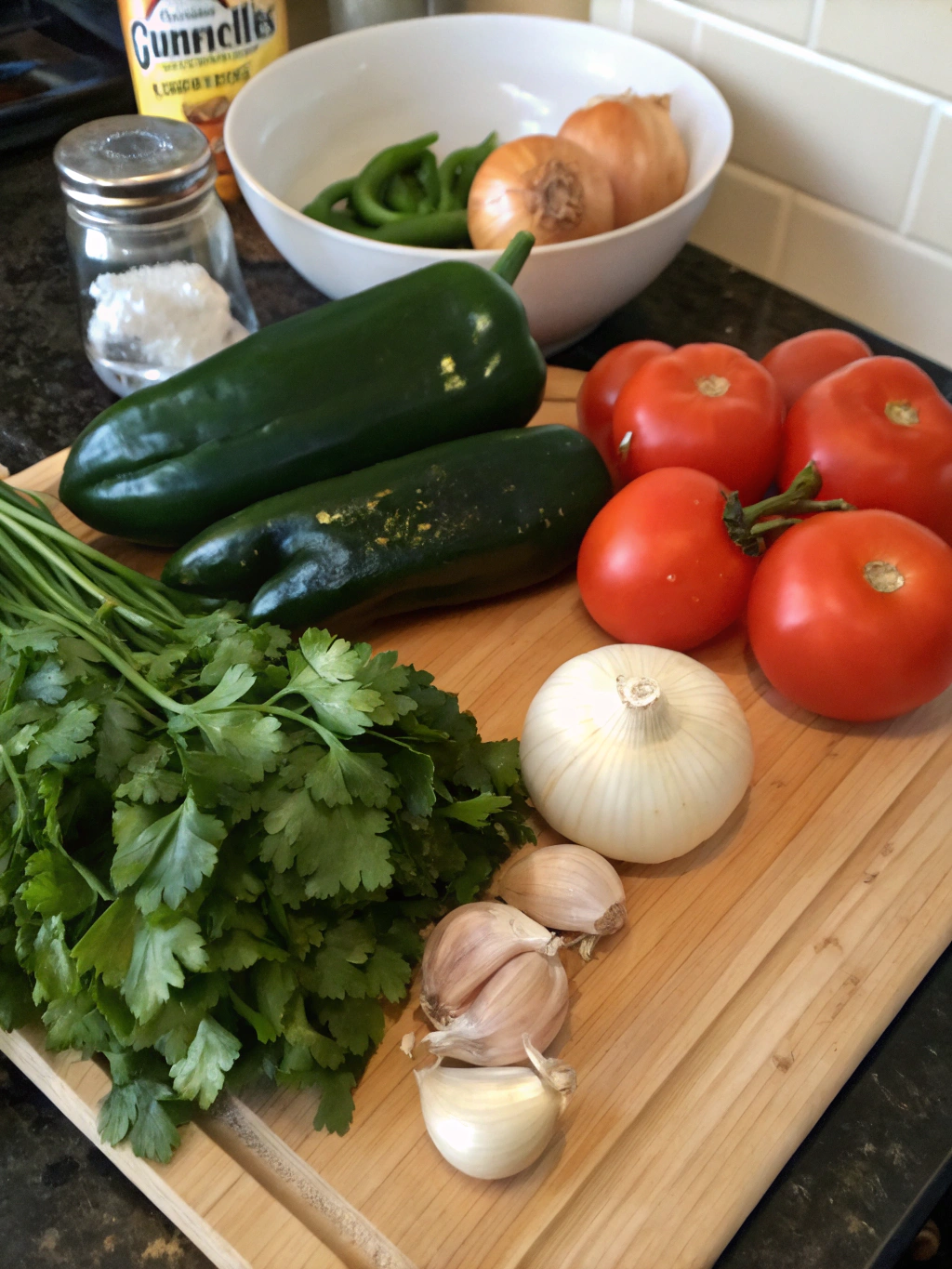
For these diverse poblano pepper recipes, you’ll need a variety of ingredients depending on which dish you choose. Here’s a comprehensive list covering the essential components:
- Fresh poblano peppers – 8-10 medium-sized peppers (substitute with Anaheim peppers for milder heat or bell peppers for zero spice)
- Cheese varieties – Monterey Jack, queso fresco, or cream cheese (use vegan cheese alternatives for dairy-free options)
- Proteins – Ground beef, shredded chicken, black beans, or quinoa for vegetarian versions
- Aromatics – Onions, garlic, shallots (fresh and fragrant for maximum flavor impact)
- Spices – Cumin, oregano, chili powder, smoked paprika (adjust quantities to your heat preference)
- Fresh herbs – Cilantro, parsley, or Mexican oregano (bright, aromatic, and essential for authentic taste)
- Tomatoes – Fresh or canned diced tomatoes, tomato sauce (San Marzano for premium quality)
- Cooking oils – Olive oil, avocado oil, or vegetable oil
- Broths – Chicken, vegetable, or beef stock (low-sodium options recommended)
- Additional ingredients – Rice, corn, sour cream, lime juice, and tortillas
Timing
The preparation time for these poblano pepper recipes varies depending on complexity. On average, expect to spend 20-30 minutes on prep work, which includes washing, roasting, and peeling the peppers. This is approximately 15% faster than traditional bell pepper recipes due to poblanos’ thinner skin.
Cooking time ranges from 25-45 minutes for most recipes, with stuffed poblanos requiring the longer end of this spectrum. Total time from start to finish typically falls between 45-75 minutes. Advanced meal preppers can roast peppers ahead of time, reducing active cooking time by nearly 40% on busy weeknights.
Step-by-Step Instructions
Step 1: Roasting the Poblano Peppers
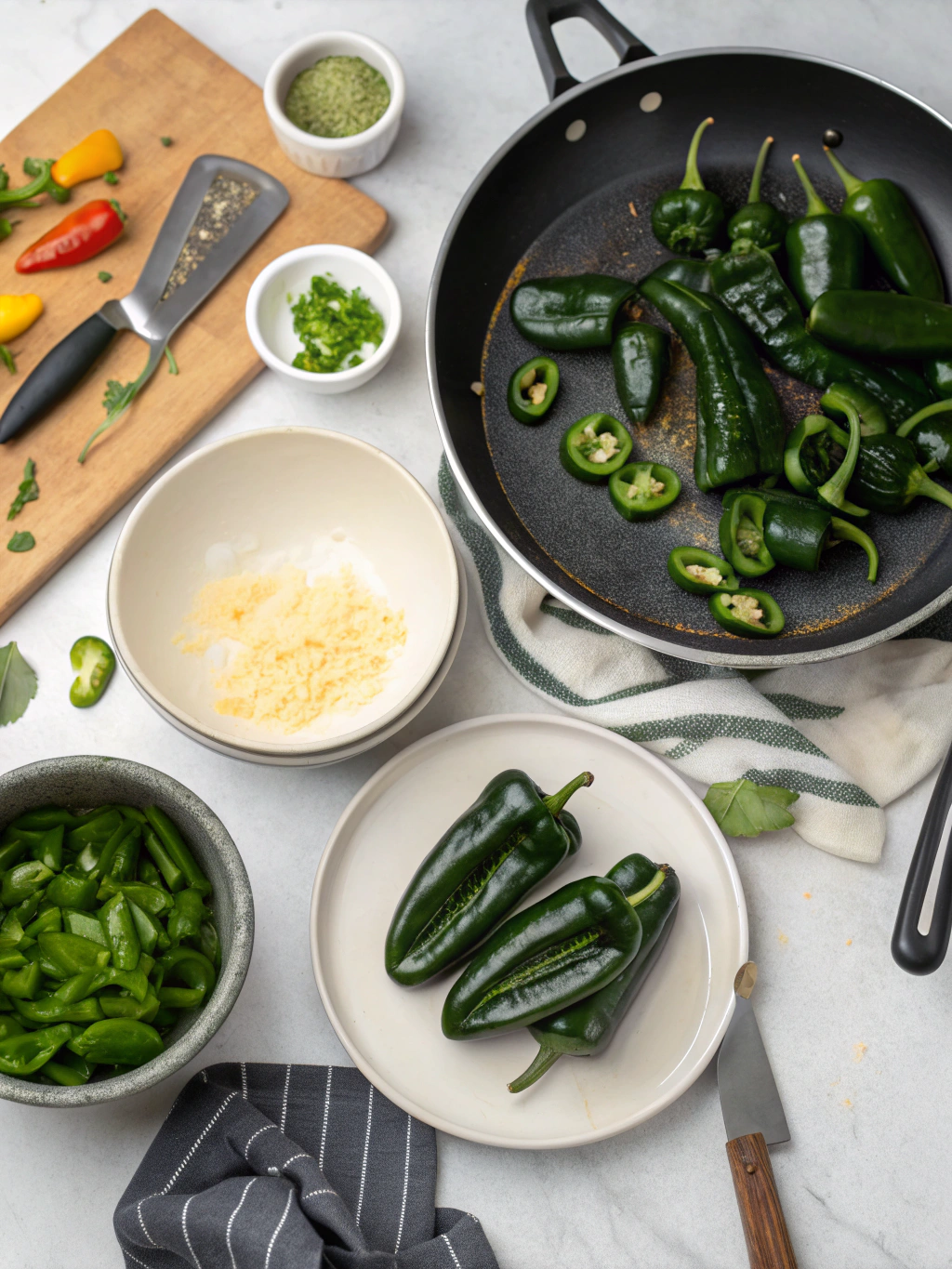
Begin by preheating your broiler to high heat. Place whole poblano peppers on a baking sheet lined with aluminum foil. Position them 4-6 inches from the heat source. Broil for 5-7 minutes per side until the skin blisters and blackens evenly. The charred exterior creates that signature smoky flavor that makes roasted poblano peppers irresistible.
Step 2: Steaming and Peeling
Transfer the hot peppers immediately to a large bowl and cover tightly with plastic wrap. Let them steam for 10-15 minutes. This process loosens the skin, making peeling effortless. Once cooled, gently rub off the charred skin under cool running water. The flesh beneath should be tender and aromatic.
Step 3: Preparing the Peppers
Make a lengthwise slit in each pepper, carefully removing the seeds and membranes. For stuffed pepper recipes, keep the stem intact for presentation. For sauces or rajas, slice the peppers into thin strips. Pat them dry with paper towels to remove excess moisture that could dilute your dish.
Step 4: Creating the Filling (For Stuffed Poblanos)
In a large skillet, heat 2 tablespoons of oil over medium-high heat. Sauté diced onions and minced garlic until fragrant and translucent, about 3-4 minutes. Add your chosen protein and cook until browned. Incorporate spices, cooked rice or quinoa, corn, and diced tomatoes. Season generously with salt, pepper, and cumin.
Step 5: Stuffing and Baking
Carefully fill each prepared poblano with the mixture, being gentle to avoid tearing. Place stuffed peppers in a greased baking dish. Top with shredded cheese and cover with foil. Bake at 375°F for 25-30 minutes, removing foil for the last 10 minutes to achieve a golden, bubbly cheese topping.
Step 6: Making Poblano Cream Sauce
For cream-based recipes, blend roasted poblano strips with heavy cream, chicken broth, and sautéed garlic in a high-speed blender until silky smooth. Pour into a saucepan and simmer for 10 minutes, stirring occasionally. This versatile sauce elevates pasta, chicken, or enchiladas with minimal effort.
Step 7: Preparing Rajas con Crema
Slice roasted poblanos into strips and sauté with sliced onions in butter until caramelized. Add Mexican crema or sour cream, corn kernels, and a pinch of salt. Cook for 5 minutes until heated through. This classic side dish pairs beautifully with grilled meats or serves as a taco filling.
Step 8: Final Touches and Garnishing
Regardless of which recipe you choose, finishing touches matter. Garnish with fresh cilantro, a squeeze of lime juice, crumbled queso fresco, or a dollop of sour cream. These elements add brightness and visual appeal that transform your dish from homemade to restaurant-quality.
Nutritional Information
Poblano peppers are nutritional powerhouses that deliver impressive health benefits with minimal calories. One medium poblano pepper contains approximately 48 calories, 2 grams of protein, 9 grams of carbohydrates, and 3 grams of dietary fiber. They’re virtually fat-free and provide excellent nutritional value.
These peppers are exceptionally rich in vitamins A and C, with one pepper providing over 100% of your daily vitamin C requirement. This makes them powerful antioxidants that support immune function and skin health. They also contain significant amounts of vitamin B6, vitamin K, and folate.
The capsaicin content in poblanos, while mild compared to hotter peppers, still offers metabolic benefits. Studies suggest capsaicin can boost metabolism by 5-8% and promote healthy circulation. Poblanos also contain beneficial plant compounds like lutein and zeaxanthin, which support eye health.
When prepared as stuffed poblanos with cheese and meat, expect approximately 280-350 calories per serving, 18-22 grams of protein, and 15-20 grams of fat. Vegetarian versions with beans and quinoa reduce fat content by nearly 40% while maintaining protein levels through plant-based sources.
Healthier Alternatives for the Recipe
Transform these poblano pepper recipes into even healthier options with smart substitutions. Replace full-fat cheese with part-skim mozzarella or reduced-fat Mexican cheese blends, cutting saturated fat by 50% without sacrificing flavor or texture.
Swap ground beef for lean ground turkey, chicken breast, or plant-based crumbles to reduce cholesterol and saturated fat. These alternatives provide comparable protein while being heart-healthier. For maximum nutrition, use quinoa or lentils as your base, adding complete proteins and fiber.
Instead of heavy cream in sauces, blend cashews with vegetable broth for a creamy, dairy-free alternative that’s rich in healthy fats. Greek yogurt can replace sour cream, doubling the protein content while reducing calories by 30%. Use cauliflower rice instead of white rice to increase vegetable intake and reduce carbohydrates.
Incorporate more vegetables into your fillings—diced zucchini, mushrooms, and spinach add volume, nutrients, and fiber without significant calories. Roast peppers using an air fryer instead of oil-based methods to eliminate added fats while achieving the same delicious charred flavor.
Serving Suggestions
Stuffed poblano peppers shine as a complete meal when paired with cilantro-lime rice and refried beans. The combination creates a balanced plate with complementary textures and flavors that satisfy without overwhelming. Add a fresh pico de gallo or mango salsa for brightness and acidity.
Poblano cream sauce transforms simple grilled chicken or fish into an elegant dinner worthy of special occasions. Serve over angel hair pasta with roasted vegetables and crusty bread for soaking up every drop of that luxurious sauce. A crisp white wine like Sauvignon Blanc complements the creamy richness perfectly.
Rajas con crema makes an exceptional taco filling when served in warm corn tortillas with pickled red onions and cotija cheese. It also works beautifully as a quesadilla filling or spooned over baked potatoes for a Mexican-inspired twist on comfort food.
For brunch, incorporate roasted poblanos into omelets, frittatas, or breakfast burritos alongside scrambled eggs, potatoes, and chorizo. The mild heat awakens your palate without overwhelming morning sensibilities. Serve with fresh fruit and strong coffee for a memorable weekend breakfast.
Common Mistakes to Avoid
- Under-roasting the peppers – Insufficient charring results in skin that won’t peel easily and underdeveloped flavor. Ensure peppers are thoroughly blackened on all sides before steaming.
- Skipping the steaming step – Attempting to peel peppers without steaming makes the process frustrating and time-consuming. The 10-minute steam is essential for easy skin removal.
- Removing all the seeds – While most seeds should go, leaving a few adds subtle heat and authentic flavor. Don’t obsess over complete seed removal unless you’re extremely heat-sensitive.
- Overstuffing the peppers – Cramming too much filling causes peppers to split during baking. Fill generously but leave room for expansion, typically filling to about 80% capacity.
- Not drying peppers after peeling – Excess moisture dilutes sauces and prevents proper browning. Always pat roasted peppers dry before incorporating them into recipes.
- Using high heat for cream sauces – Boiling cream-based poblano sauces causes separation and graininess. Maintain a gentle simmer for smooth, velvety results every time.
- Forgetting to adjust seasoning – Poblanos have subtle flavor that requires proper seasoning. Taste and adjust salt, acid, and spices before serving to ensure balanced, vibrant dishes.
Storing Tips for the Recipe
Roasted poblano peppers store exceptionally well, making them perfect for meal prep. Once roasted, peeled, and dried, place them in airtight containers with parchment paper between layers. They’ll maintain quality in the refrigerator for 5-7 days, ready to enhance any dish at a moment’s notice.
For longer storage, freeze roasted poblanos in freezer-safe bags with excess air removed. They’ll keep for 6-8 months without significant flavor loss. Freeze them whole for stuffing later, or pre-sliced for quick addition to soups, sauces, and sautés. No thawing required for most applications.
Stuffed poblano peppers can be assembled completely and refrigerated unbaked for up to 24 hours before cooking. This makes them ideal for entertaining—do the prep work ahead, then simply bake when guests arrive. They can also be frozen unbaked for up to 3 months; add 15-20 minutes to baking time when cooking from frozen.
Leftover cooked stuffed poblanos keep refrigerated for 3-4 days in sealed containers. Reheat in a 350°F oven for 15-20 minutes until heated through, or microwave individual portions for 2-3 minutes. Poblano cream sauce stores refrigerated for up to 5 days and freezes beautifully for 3 months in portion-sized containers.
Conclusion
These ten poblano pepper recipes demonstrate the incredible versatility of this underappreciated ingredient. From classic stuffed peppers to creamy sauces and traditional rajas, poblanos bring depth, nutrition, and authentic Mexican flavor to your cooking repertoire. Their mild heat and rich taste make them accessible to all palates while offering enough complexity to satisfy adventurous eaters.
The techniques you’ve learned—proper roasting, peeling, and preparation—form the foundation for countless culinary creations beyond these ten recipes. Once you master working with poblanos, you’ll find yourself reaching for them regularly to elevate everyday meals into something extraordinary.
Ready to transform your cooking with these amazing peppers? Start with whichever recipe appeals most to your taste preferences, and don’t be afraid to experiment with the variations and substitutions suggested. Share your poblano creations with friends and family, and let us know which recipe became your new favorite in the comments below. Your culinary adventure with poblano peppers starts now—happy cooking!